

























Singapore Airlines Transit Passengers Found Infected with Measles Before Arrival; Auckland Cluster Expands to Three Cases

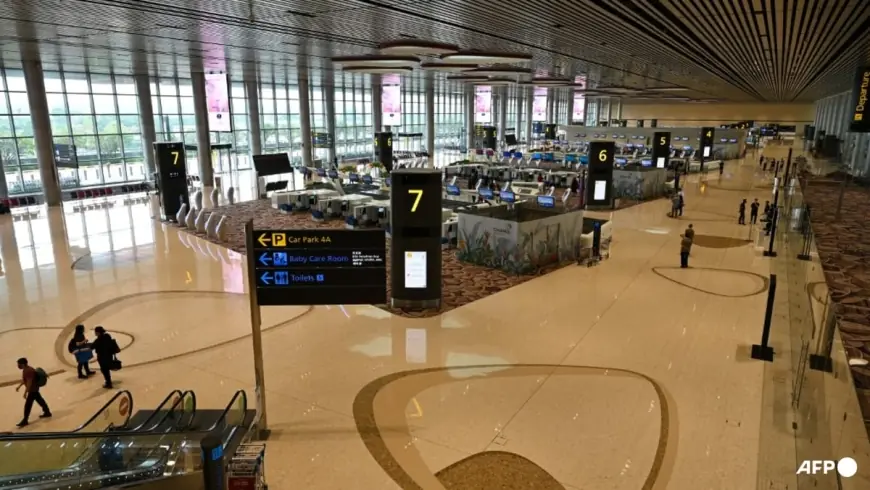
Two transit passengers on singapore airlines were already infected with measles before they entered Singapore’s transit area, health authorities said, and a separate confirmed case in Auckland has expanded locations of interest linked to overseas travel to 15. The developments underline cross-border movement as a focal point in the recent cluster.
Singapore Airlines transit details and agency findings
The two travellers flew from Hyderabad, India, and transited through Changi Airport for about two hours before boarding a flight to Auckland. Health authorities concluded, based on onset dates of symptoms, that the infections occurred prior to their transit in Singapore and that the cases are not linked to any other known local measles cases.
Investigations determined the pair remained within the airport transit area for the duration of their time in Singapore. Their transit period did not overlap with a separate earlier incident involving another passenger who transited through Singapore en route to Los Angeles; that other traveller had flown from Cambodia and transited for about two and a half hours before onward travel.
The airline has stated it is cooperating with relevant authorities and is monitoring the situation, while advising unwell customers to defer travel. Health officials reiterated that vaccination remains the best protection and urged travellers to practice good hygiene, to wear masks and seek prompt medical attention if they develop symptoms such as rash, fever, cough, red or watery eyes, or runny nose.
Auckland cluster grows: third case confirmed and locations of interest rise five-fold
A third measles case linked to recent overseas travel has been confirmed in Auckland. This third case is distinct from the two transit-related cases described above. The individual linked to the third case was not considered contagious while travelling on a flight from Singapore to Auckland.
Authorities have expanded the active list of locations of interest to 15, with the new sites primarily retail-related and visited between February 16 and February 24. Earlier travel links include a flight from Singapore to Auckland and time spent at Auckland International Airport late on the night of February 17 into the early hours of February 18.
- February 16: Taco Bell Westgate (8: 00–11: 00) and Subway Rosedale (13: 00–14: 30)
- February 17: Pakn’Save Albany (10: 45–12: 15)
- February 19: Katsubi Rosedale (12: 45–14: 15)
- February 21: Bunnings Constellation Drive Albany (10: 45–12: 30) and Tank Massey Maki Street (12: 00–13: 15)
- February 22: 25ml Cafe Hobsonville Point (10: 20–13: 00) and Woolworths Hobsonville (12: 00–13: 30)
- February 24: Unichem Pharmacy Westgate (11: 00–12: 20) and Subway Rosedale (11: 30–12: 50)
Authorities are updating the list of locations of interest as more information becomes available and are advising people who visited these places during the specified times to monitor for symptoms and follow guidance for close or casual contacts. Public health officials have emphasized the country’s vulnerability to further outbreaks linked to overseas travel and noted that low immunisation rates increase that risk.
Practical implications and what travellers should do
The emergence of these cases in travellers who transited through Singapore highlights how short airport stopovers can intersect with international transmission chains. Travellers using singapore airlines or other carriers are advised to ensure they are fully vaccinated for measles before travel, to wash hands frequently, to avoid close contact with unwell individuals, and to seek medical attention and inform clinicians of any recent travel if symptoms develop.
Health authorities continue to investigate and update the public on new locations of interest. Details may evolve as investigations proceed and more exposures are identified.