
























Doha Travel Disruption: Qatar Airways, Emirates, Dubai Airport, Iran Dubai, and Lufthansa Rework Routes

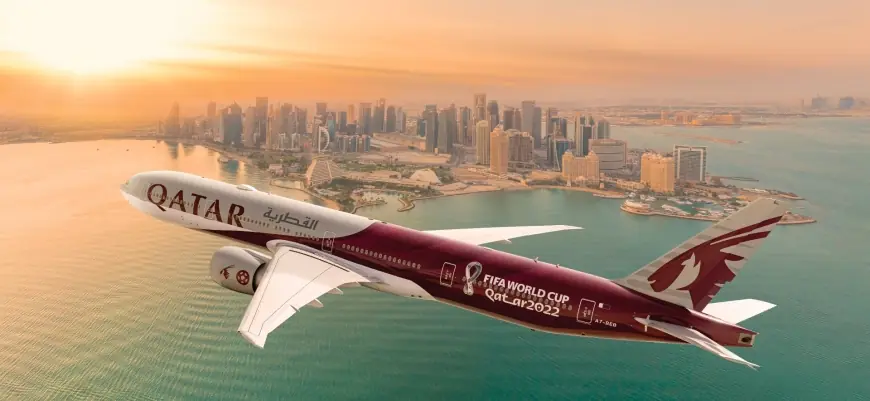
A fast-moving Middle East security crisis is scrambling air travel through Doha and Dubai Airport, forcing Qatar Airways, Emirates, and Lufthansa to suspend, divert, or reroute flights as regional airspace restrictions widen. The disruptions intensified Saturday, Feb. 28, 2026 (ET), after military strikes on Iran and a wave of retaliatory launches led multiple countries to shut or sharply limit overflight corridors that normally carry some of the world’s busiest long-haul routes.
For travelers, the practical effect is immediate: missed connections, aircraft turning back mid-flight, and long-haul itineraries breaking at hub airports that typically function as the bridge between Europe, Asia, Africa, and North America.
Doha and Qatar Airways Face Hub Pressure as Flights Turn Back
At Doha, Qatar Airways has been managing a cascading network problem: when a single long-haul flight diverts or returns to origin, it can strand passengers who were counting on timed connections to dozens of onward destinations. Some aircraft already en route have been diverted to alternate airports or returned to Doha after new restrictions took effect, creating a “traffic jam” of repositioning flights and displaced crews.
Airline operations teams are also confronting a second-order challenge: even when aircraft can land, they may not be able to depart on time if they cannot file a safe route that avoids restricted airspace. That limits recovery options and can force cancellations that ripple through the schedule for days, not hours.
Dubai Airport and Emirates Hit by Closures and Mass Cancellations
At Dubai Airport, the scale of disruption has been particularly visible because Dubai is one of the world’s busiest international transit points. Emirates has paused and restructured segments of its schedule as regional airspace constraints and operational risk assessments changed throughout the day.
The big issue is geography: Dubai’s location makes it a natural crossroads, but it also means flights often depend on corridors near restricted zones. When those corridors close, airlines must choose between longer detours—adding fuel, time, and crew complexity—or canceling routes that no longer work safely or economically.
For passengers, that means long queues at service desks, rebooking delays, and a sudden scarcity of hotel rooms near terminals as connecting travelers are forced to overnight unexpectedly.
Iran Dubai: Why This Corridor Matters for Global Aviation
The Iran Dubai travel and overflight relationship is less about tourism and more about airspace geometry. Many flights bound for Dubai, or connecting onward through Dubai, historically rely on regional routings that become problematic when missile activity, air defense operations, and airspace closures expand.
Even without any incident inside the United Arab Emirates, the proximity to restricted airspace raises the risk of debris, electronic interference, or miscalculation—factors that airlines take seriously because commercial aviation depends on predictable, deconflicted skies.
When Iran Dubai routes tighten, airlines often reroute south or west, shifting traffic toward alternative corridors. That can overload other airports and flight paths, creating delays far beyond the Gulf.
Lufthansa and European Carriers Pull Back from Gulf Schedules
Lufthansa has been among the major European airlines limiting service in the region, adjusting flight plans and avoiding certain airspace blocks as the security environment changed. For travelers connecting from Europe into the Gulf—then onward to Asia or Australia—this matters because even a short suspension can sever carefully built itineraries.
European carriers also face a crew-duty reality: detours add time. Longer flight times can trigger crew rest requirements that force cancellations even when aircraft are available. That’s why some cancellations appear abrupt; the limiting factor may be staffing legality as much as aircraft routing.
What Travelers Should Expect: Delays, Diversions, and Rebooking Rules
Operational disruptions are occurring in three main ways: cancellations, diversions to alternate airports, and extended flight times due to rerouting. The result is a patchwork of policies that vary by ticket type and departure point, but most airlines are leaning on flexible rebooking tools to reduce pressure at airports.
Key disruption patterns affecting Doha and Dubai Airport (Feb. 28, 2026 ET)
| Disruption Type | What It Looks Like | Most Common Passenger Impact |
|---|---|---|
| Full cancellation | Flight removed from schedule | Rebooking to later dates, forced overnight stays |
| En-route diversion | Aircraft lands at alternate airport | Missed connections, baggage delays, visa/entry complications |
| Turnback to origin | Flight returns after takeoff | Restarted itinerary, re-queuing for rebooking |
| Reroute detour | Longer path avoids restricted airspace | Late arrivals, missed onward flights, crew timeouts |
What Comes Next for Doha, Dubai Airport, Qatar Airways, Emirates, and Lufthansa
The next 24–48 hours will be defined by two variables: how long airspace restrictions remain in place, and whether further military exchanges expand the zone airlines consider unsafe. If restrictions ease quickly, hubs like Doha and Dubai Airport can begin recovery, though aircraft and crews will still be out of position. If the crisis persists, expect wider schedule trimming, longer reroutes, and continued cancellations as airlines protect safety margins and preserve operational stability.
For now, Qatar Airways, Emirates, and Lufthansa are treating the region as a dynamic risk environment—one where flight plans can change hour by hour. Travelers booked through Doha or Dubai Airport should be prepared for rapid changes, including last-minute gate updates, revised connection windows, and the possibility that a trip touching the Iran Dubai corridor may need a full rebooking rather than a simple delay.