
























Kaye Adams exit shifts morning show staffing and puts workplace probe at centre of station operations

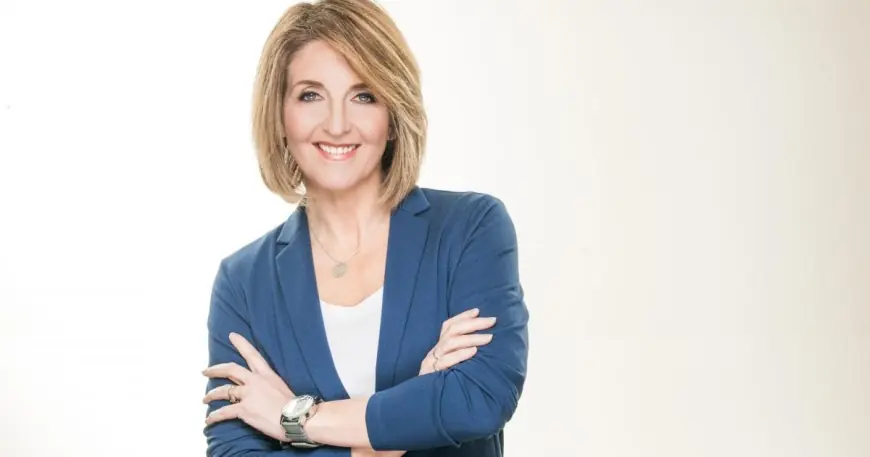
Who feels the impact first are the people on the morning show and the production teams who must absorb the fallout: kaye adams will not be returning to her Scotland morning programme, leaving an immediate gap in both presenting and internal morale. The presenter’s removal follows an internal complaint process that found some allegations against her upheld while others were rejected, and it reshapes the presenter's schedule and duties for now.
Kaye Adams and the immediate staffing impact
The broadcaster has confirmed kaye adams will not return to the morning role. In the immediate future, Connie McLaughlin will present the programme on Mondays to Wednesdays and Stephen Jardine will take Thursdays and Fridays. That lineup will remain in place while the organisation manages the operational consequences of the decision.
Details of the investigation and the allegations
The presenter was taken off air and suspended last October after an internal complaint about conduct. An internal review found that some complaints were upheld and others were not substantiated. Specific allegations examined during the investigation included shouting and swearing at colleagues, use of an "abhorrent swear word" at a colleague, throwing a pen at a producer in frustration over an upcoming show, and berating an intern about their ability to do their job.
The presenter has denied wrongdoing and described her workplace demeanour as assertiveness that was mistaken for bullying. Recent coverage has noted that the investigation looked at behaviour over multiple years rather than a single isolated incident.
Timeline, triggers and internal responses
- Taken off air and suspended: October (last year).
- Concerns were triggered after a routine staff meeting at the Pacific Quay headquarters in Glasgow, where a senior audio and events manager witnessed behaviour first-hand and then spoke with other staff.
- The complaints were raised under the broadcaster’s "Call it Out" scheme, launched last year after public controversy involving other high-profile hosts.
One insider described a chain reaction after staff were spoken to, saying the investigation covered complaints accumulated over time rather than a single episode. A spokesperson for the broadcaster said it does not comment on individuals, and reiterated that the presenter will not be resuming the morning role.
Career profile and public visibility
Born in Falkirk, the presenter has worked as a journalist and broadcaster for nearly 40 years. She initially joined the Scotland operation of the broadcaster in 2010 to host a daily phone-in programme called Call Kaye, which ended in 2015. She later fronted The Kaye Adams Show and the morning programme that she has been removed from. She has also been a regular panellist on the talk show Loose Women. Reporting has noted the presenter’s on-air pay figure in recent accounts as £155, 000 a year.
Operational and cultural context
Last year the organisation launched the "Call it Out" scheme to enable staff to challenge and report poor behaviour in the workplace. That initiative followed an independent report into workplace culture which found that a small number of stars and managers behave unacceptably and that leaders sometimes fail to confront that behaviour. The complaints about the presenter were submitted under this scheme.
Here’s the part that matters: the immediate schedule change protects transmission but does not resolve longer-term questions about team dynamics and managerial oversight.
- Some complaints against the presenter were upheld; others were rejected.
- The presenter was suspended in October and removed from the morning role.
- Allegations reviewed included shouting, swearing, throwing a pen and berating an intern.
- The matter was escalated after a senior manager witnessed behaviour at a routine staff meeting at Pacific Quay in Glasgow.
- The complaints were made under the "Call it Out" scheme, introduced after controversy involving other high-profile hosts.
It’s easy to overlook, but this episode tests how the organisation balances individual careers, staff complaints and public-facing responsibilities while keeping schedules running. The real question now is whether the station’s existing procedures will be seen as sufficient to manage both the human and on-air consequences of internal investigations.
A quick aside from the editor: this change removes a long-standing presenter from a visible slot and forces a recalibration of who carries the programme’s editorial voice — that has consequences for staff and listeners that will play out over months, not days.