























Yakitori Chicken Fried Rice Recall Expands as Retailers Pull Frozen Meals Over Possible Glass

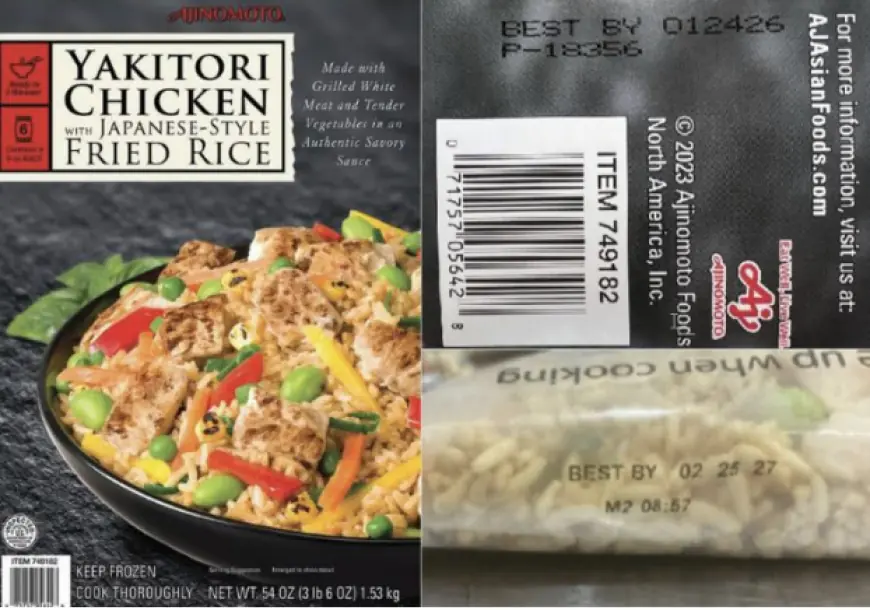
A growing yakitori chicken fried rice recall is prompting shoppers in the US and Canada to check their freezers after reports of possible glass contamination in popular frozen meals sold through major retailers. The action covers millions of pounds of product tied to Ajinomoto Foods North America, including items marketed as Yakitori Chicken with Japanese-Style Fried Rice and a widely purchased chicken fried rice sold under a separate store label.
While the distribution focus is North America, the recall is also drawing attention in the UK and Australia among travelers, expatriates, and families who stock U.S.-style frozen meals brought home from trips or sent through personal channels.
Yakitori Chicken Fried Rice Recall: What’s Being Pulled and Why
The yakitori chicken fried rice recall centers on potential foreign material contamination, specifically glass fragments. Complaints from consumers triggered internal reviews and a broader pullback across retail channels. No confirmed injuries have been widely reported in public notices tied to this action, but food safety guidance stresses that even small fragments can pose a serious risk of mouth, throat, or internal injury.
The recall covers multiple package formats, including multi-pack boxes containing individual bags as well as stand-alone retail bags. Consumers should treat any matching product codes and date ranges as unsafe to eat.
Where the Yakitori Chicken Fried Rice Recall Products Were Sold
In the US, the recalled items were sold through large national grocery networks and warehouse clubs, with particular attention on frozen aisles where the products are positioned as quick, heat-and-serve meals. In Canada, notices focused on warehouse club distribution and national availability.
For shoppers in the UK and Australia, these items are not typically part of standard supermarket supply chains, but they can still appear in households through travel purchases, specialty import stores, or personal shipments. Anyone with North American frozen meals in their freezer should verify labels carefully.
How to Identify Recalled Packages
Use the identifiers on the outer carton and the individual inner bags. Look for “best by” or “best before” dates, product descriptions, and any inspection or establishment codes printed near regulatory markings.
Key identification guide (check your freezer):
| Product Name | Package Type | Market | Date Range to Check | Key Identifier |
|---|---|---|---|---|
| Ajinomoto Yakitori Chicken with Japanese-Style Fried Rice | Box with multiple individual frozen bags | Canada | Best before dates between 2026-09-09 and 2026-11-12 | Costco item listings and “best before” printed on box/bags |
| Ajinomoto Yakitori Chicken with Japanese-Style Fried Rice | Retail club multi-pack format | US | Best by dates reported across a wide range; verify any matching recall notice | Packaging references “Yakitori Chicken with Japanese-Style Fried Rice” |
| Chicken Fried Rice (store-label version) | Single retail bag | US (nationwide) | Production window tied to 2025-09-08 through 2025-11-17; best-by dates vary by bag | Establishment/inspection code printed near regulatory mark |
If the product name matches but the date or identifiers do not, do not assume it is safe—double-check the exact recall parameters listed on the package notice.
What Shoppers Should Do Right Now
Food safety guidance is straightforward for this type of contamination risk:
-
Do not eat the product if it matches the recall identifiers.
-
Do not taste-test to check safety. Glass contamination cannot be detected reliably by sight or smell.
-
Return or dispose: Most retailers involved are offering refunds. If discarding, place the product in a sealed bag to reduce risk of cuts during handling.
-
Watch for symptoms if the meal was already consumed. Anyone experiencing mouth injuries, severe throat pain, abdominal pain, vomiting, or blood in stool should seek medical care promptly.
Households with children, older adults, or anyone with swallowing difficulties should take extra caution, as foreign material injuries can be more severe.
What This Means for Frozen Food Safety
The yakitori chicken fried rice recall highlights a recurring challenge for frozen ready meals: high-volume production and fast distribution can amplify the impact of even rare manufacturing defects. Retailers often move product quickly across regions, so a single issue at a facility can trigger a broad, multi-market recall.
For consumers, the most effective protection is keeping packaging until the product is used, since box panels and bag seals carry the date codes needed to confirm recall status. For frequent buyers of frozen rice meals, it also underscores the value of periodically checking recall alerts, especially when purchasing from warehouse clubs where multi-packs may last for months.
As recalls continue to evolve, shoppers should expect updated guidance that narrows specific lot codes and date ranges. For now, the safest approach is simple: if the label matches the Yakitori Chicken Fried Rice recall description and the date identifiers fall within the affected range, treat it as recalled and remove it from your meal plan immediately.