

























Msnbc: Why Bill Clinton’s Denial and a ‘Historic’ Epstein Deposition Shift Oversight Pressure and the Trump Question

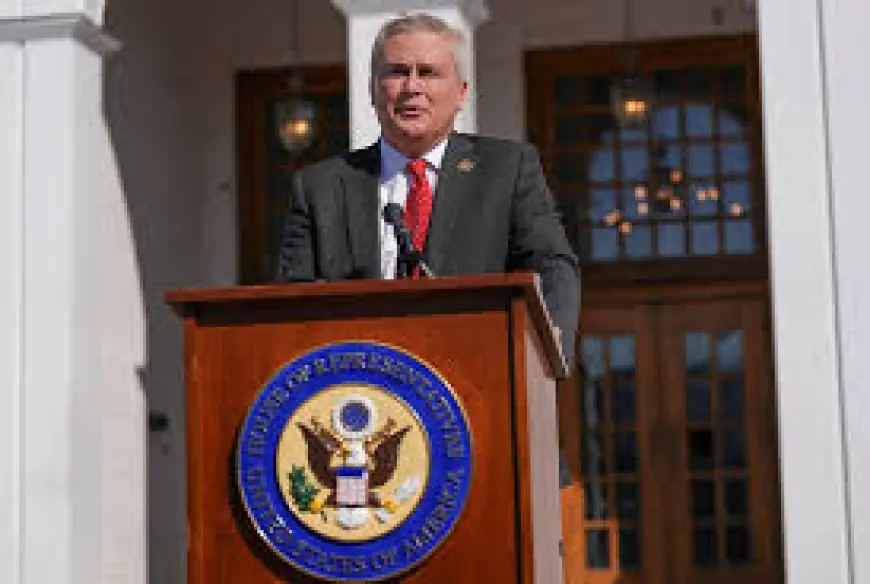
For readers tracking accountability in the House Epstein inquiry, the immediate effect is procedural and political: Bill Clinton denied wrongdoing during hours of questioning, a deposition labeled historic and praised across party lines, and the House Oversight chair punted the question of whether Trump should testify to the committee. msnbc audiences should note that those three developments together change who faces decisions next.
Impact-first: who feels the pressure now (and how)
The most immediate impacts land on the House Oversight committee, any members weighing whether to seek further testimony, and the public observers parsing cooperation versus culpability. When a deposition is called historic and described as cooperative, it can reduce calls for additional investigatory steps even as it raises procedural questions — especially after the chair deferred a key question about Trump’s testimony to the broader committee.
Core facts from recent headlines and their timing
- Headline: "Bill Clinton denies wrongdoing during hours of questioning in House Epstein investigation" — published 11 hours ago.
- Headline: "House Oversight chair: Bill Clinton punts question to committee on whether Trump should testify in Epstein probe" — published 15 hours ago.
- Headline: "Bill Clinton gets bipartisan praise for cooperating in historic deposition on Epstein" — published 11 hours ago.
These three distinct statements together form the factual backbone: a denial of wrongdoing during extended questioning, a chair who deferred a consequential procedural question to the committee, and cross-party praise for a deposition characterized as historic. The timeline of publication places two of these items in close proximity (11 hours ago) and the procedural deferral slightly earlier (15 hours ago).
What this means for committee process and next steps
Here’s the part that matters: the chair’s decision to punt the Trump-testimony question to the committee effectively transfers a high-stakes choice to a larger body. That means committee members, not just leadership, will now be the immediate decision-makers on whether to pursue testimony beyond the deposition noted as cooperative. The interaction between a public denial and bipartisan praise could compress or complicate appetite for additional hearings or subpoenas.
Stakeholders affected and short forward signals
Primary stakeholders named in the coverage are Bill Clinton, the House Oversight chair, the committee itself, and Donald Trump as the person referenced in the question about testimony. Signals that could confirm the next turn include formal committee votes or announcements about additional testimony requests; absence of such moves would suggest the deposition shifted momentum toward closure rather than escalation.
Micro timeline embedded
- 15 hours ago: House Oversight chair deferred the question of whether Trump should testify to the committee.
- 11 hours ago: A headline noted Bill Clinton denied wrongdoing during hours of questioning in the House Epstein investigation.
- 11 hours ago: Another headline said Bill Clinton received bipartisan praise for cooperating in what was described as a historic deposition on Epstein.
The close timing of the depositions and public reactions compressed the story into a narrow window of decisions for committee members.
It's easy to overlook, but the chair’s deferral is a procedural pivot: it leaves the committee to reconcile a public denial with cross-party praise and determine whether further testimony — including the question of Trump testifying — is warranted.
The real question now is whether the committee will act on the deferred Trump-testimony issue or treat the deposition and bipartisan commendation as sufficient resolution; formal committee moves will be the clearest signal either way.