

























Why Are We Going To War With Iran? Inside The U.S. Attacking Iran Escalation

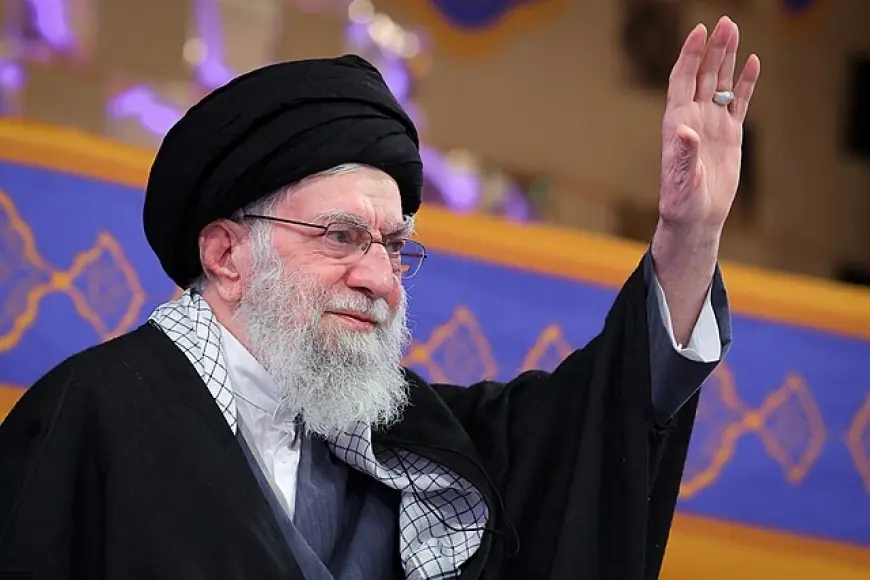
The U.S. is attacking Iran after President Donald Trump ordered what the White House described on Saturday, Feb. 28, 2026 (ET) as “major combat operations” aimed at crippling Iran’s military capacity and forcing a strategic shift in Tehran’s behavior. The strikes—carried out alongside Israel’s parallel campaign—have already triggered Iranian retaliation against U.S.-linked sites across the Middle East, raising fears that a limited operation could slide into a broader war.
The Immediate Trigger: A U.S. Campaign To Break Iran’s Strike Capability
Washington’s stated military focus is Iran’s ability to hit U.S. forces and partners through missiles, drones, and naval systems that can threaten bases and shipping routes. Early targets have centered on air defenses, missile-related infrastructure, and military facilities tied to rapid retaliation. The administration’s public posture suggests this is not a single-night action but an ongoing effort to reduce Iran’s capacity to sustain regional attacks.
That framing helps answer the question, “why are we going to war with iran”: in the administration’s view, Iran’s conventional strike tools have grown into a direct and urgent danger that must be degraded quickly, before Tehran can expand its options or raise the cost of confrontation.
The Nuclear And Ballistic Missile Argument: Pressure After Failed Talks
A second core rationale is Iran’s nuclear trajectory and the ballistic systems that could deliver a future nuclear payload. Trump and senior officials have linked the operation to stopping Iran from advancing toward a nuclear weapon and limiting the long-range systems that underpin Iran’s regional deterrence.
The strikes come after a period of stalled diplomacy that did not produce a new agreement that Washington considered sufficient. By shifting from negotiation to force, the administration appears to be betting that military pressure will change Tehran’s calculations faster than sanctions and talks.
Iran rejects the allegations and portrays the attack as aggression intended to derail its sovereignty and bargaining position. The result is a widening gap between the U.S. objective—compellence through force—and Iran’s likely response—retaliation to restore deterrence.
Israel’s Role And The Risk Of A Multi-Front Fight
Israel’s involvement has amplified both the operational impact and the escalation risk. The two allies share a long-running view that Iran’s missile network and regional armed partners represent a strategic threat that cannot be managed indefinitely through containment.
For Iran, joint U.S.-Israel action increases incentives to respond broadly, not narrowly—striking U.S. sites in the Gulf while also targeting Israel, and potentially activating aligned groups in neighboring theaters. That’s why the conflict is being watched closely not only in the U.S., but also in the UK, Canada, and Australia, where policymakers are weighing the risk of rapid escalation and the knock-on effects for energy and security.
Iran’s Retaliation: Why The Conflict Could Expand Fast
Iran’s response on Feb. 28 (ET) included missile and drone attacks aimed at locations in multiple Gulf states that host U.S. assets, as well as strikes linked to Israel. Even if many projectiles are intercepted, the sheer breadth of targets underscores how quickly a U.S. operation can become a regional crisis involving countries that did not choose the battlefield.
Beyond immediate casualties and damage, retaliation raises three risks that can turn “us attacking iran” into a prolonged war:
-
U.S. casualties that harden Washington’s resolve and expand targeting
-
Wider regional participation as Gulf states defend their territory
-
Disruption to air travel and maritime shipping that pushes economic pressure into the conflict
Politics And War Powers: The Domestic Fight Over Authorization
Inside the U.S., the escalation is also triggering a political clash over who has the authority to initiate sustained hostilities. Some lawmakers argue that a major campaign against Iran requires explicit congressional approval, while supporters of the strikes say the president can act to protect U.S. forces and respond to threats.
This debate matters because it can shape the duration and intensity of the campaign. A short operation may be politically easier to sustain than an open-ended conflict with mounting costs, especially if Iran continues striking U.S. interests across the region.
What Happens Next: The Off-Ramps And The Escalators
Whether this becomes a full-scale war depends on choices in the next several days: the breadth of U.S. targeting, the scope of Iranian retaliation, and whether any diplomatic channel reopens quickly enough to prevent further spirals.
Here are the key drivers to watch:
| Flashpoint | Why It Matters | What It Could Lead To |
|---|---|---|
| U.S. target expansion | Hitting deeper strategic sites raises stakes | Wider retaliation and longer campaign |
| Iranian strike tempo | Sustained attacks test U.S. defenses and patience | Escalatory U.S. response and more regional involvement |
| Gulf state security posture | Attacks on their territory change their calculus | Tighter cooperation with U.S. operations |
| Shipping and airspace disruption | Economic pressure can accelerate decisions | Global market shock and urgency for de-escalation |
| U.S. domestic authorization fight | Determines political durability | Limits on operations or escalation constraints |
For many Americans asking “why are we going to war with iran,” the answer is a mix of stated security goals—missiles, nuclear risk, and deterrence—plus the reality that once retaliation begins across multiple countries, leaders often face shrinking room to step back. As of Saturday, Feb. 28, 2026 (ET), the conflict’s direction is still being written by the next round of strikes and the next decision each side makes under pressure.