

























Middle East Invests in Rail to Secure Future Supply Chains

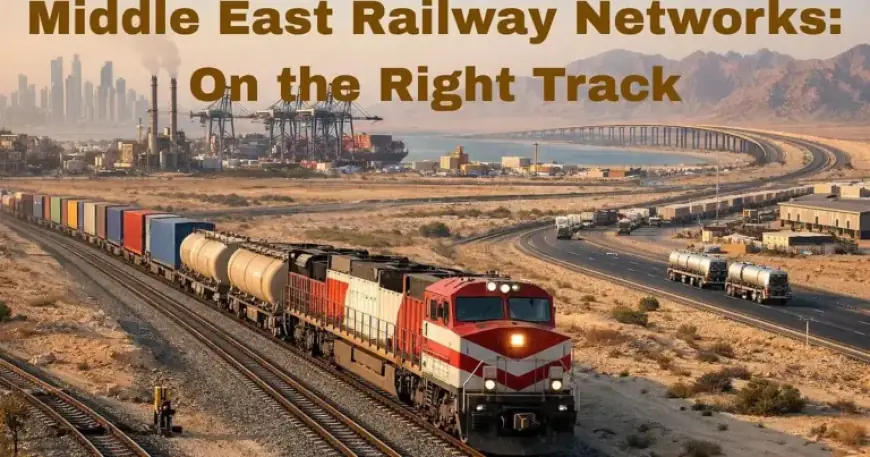
Governments and logistics companies across the Middle East are significantly investing in rail infrastructure to enhance supply chain efficiency. Traditionally reliant on highways, ports, and air freight, the region is now focusing on freight rail networks. This transition aims to create more resilient, environmentally friendly logistics systems and better integrate with global trade corridors.
Strategic Rail Developments in the Middle East
At the heart of this initiative is the Gulf Cooperation Council’s proposal for a 2,000-kilometer railway. This network is designed to connect Kuwait in the north to Oman in the south, linking various industrial hubs and ports. Despite uneven progress over the past decade, member countries are ramping up construction as part of their economic diversification strategies.
The United Arab Emirates’ Rail Initiatives
- Etihad Rail has completed key phases of its national freight network.
- This railway connects Khalifa Port to industrial zones and the Saudi border.
- It provides predictable transit times and lower transport costs for goods like petrochemicals.
Saudi Arabia’s Rail Expansion
Saudi Arabia has also bolstered its rail network. The North–South Railway and the Haramain high-speed line have been notable developments, but the focus remains on freight capacity. Riyadh’s Vision 2030 aims to position the Kingdom as a logistics hub connecting Asia, Europe, and Africa.
Oman’s Resurgence in Rail Development
In Oman, the revival of rail development is underway, with plans to connect the Port of Duqm to the interior. This initiative aims to promote heavy industry and decrease reliance on road transport.
Geopolitical Rail Infrastructure
One noteworthy project is the India–Middle East–Europe Economic Corridor, announced in 2023. This ambitious corridor intends to enhance rail connections across the Arabian Peninsula and integrate with port facilities, aiming for faster trade between India and Europe. As rail becomes a cornerstone of geopolitical supply chain strategies, it has implications for economic policy and industrial strategy.
The Business Case for Rail Investments
The rationale behind these investments is clear:
- Resilience: The COVID-19 pandemic exposed vulnerabilities in transport dependencies and showed the need for alternative logistics solutions.
- Sustainability: Rail offers a greener alternative to road transport, with potential reductions in carbon emissions.
- Cost Efficiency: Rail transport can lower long-term costs for bulk commodities, enhancing competitiveness for countries like Saudi Arabia and the UAE.
Private Sector Engagement
Private companies are also eager to adapt. Logistics providers are investing in rail-linked warehouses. For instance, DP World is embedding rail connections within its port strategies. Major producers are securing long-term freight agreements to ensure rail capacity. Even e-commerce firms are exploring rail solutions for regional distribution, highlighting rail’s role in providing reliability amid logistical uncertainties.
Challenges Ahead
Despite the clear advantages, numerous challenges persist. Financing extensive rail infrastructure remains capital intensive, especially in regions where passenger demand may be minimal. Additionally, cross-border coordination poses obstacles, including different customs, technical standards, and regulatory frameworks. Political tensions can also hinder collaborative projects.
Future Outlook for Rail in the Middle East
Nevertheless, the broader trend indicates a shift towards rail as a key component of supply chains. As global businesses seek reliable logistics, and Middle Eastern nations aim to diversify from oil, rail infrastructure development is likely to gain momentum. Enhanced rail connectivity has the potential to reduce bottlenecks and emissions, offering exporters more resilience against global disruptions.
In a region historically defined by oil and maritime routes, the ongoing rail projects symbolize a proactive effort to secure future supply chains in an increasingly uncertain world.