






















Cnn, cnn: What the Warner Bros deal could mean for streaming, cinemas and news

The proposed takeover of Warner Bros by Paramount Skydance has put squarely in the conversation about who will control news and entertainment. The offer would combine major streaming services, studios and broadcast properties, a shift that matters for viewers, cinemas and media ownership if regulators sign off.
Paramount Skydance’s streaming strategy: Paramount+ plus HBO Max
The plan under the offer is for Paramount to merge its Paramount+ service with Warner Bros' HBO Max to create a single, broader streaming product intended to compete with Netflix, Amazon and Disney. Backers argue that subscribers could access current hits such as The Pitt alongside classics like Casablanca, Star Trek, Friends and The Sopranos on one subscription.
What that would mean for prices remains unclear. Analysts say that initially people who now pay for both services could get a cheaper overall deal, while a more compelling combined service could allow the owner to raise prices over time if competition among streamers diminishes.
How Paramount outflanked Netflix in a $111 billion bid
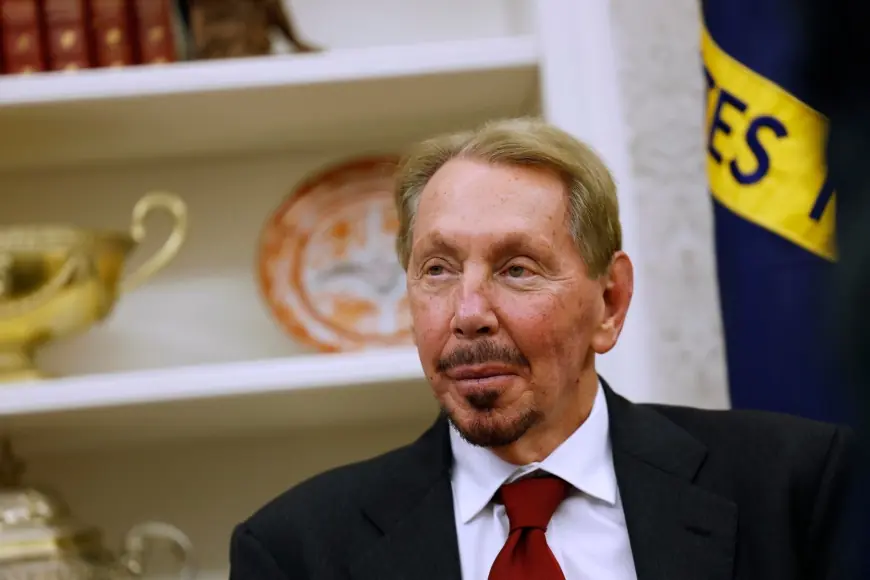
Last August, the Ellisons took control of Paramount in an $8 billion merger with Skydance, the entertainment company run by David Ellison and owned mostly by Larry Ellison. Weeks later, Paramount Skydance made a hostile $111 billion bid for Warner Bros. Discovery, which had already agreed to sell itself to Netflix; Netflix declined to counter and Warner's board judged Paramount's offer superior.
The Ellison-controlled entity now stands in a position to buy a company described as having a roughly $70 billion market capitalization for a triple-digit billion price, a transaction described as one of the largest mergers in history if regulators clear it.
Financial bridge: cash, banks and Oracle stock
Paramount itself has about $3 billion in cash on its balance sheet. To bridge the gap on the Warner offer, three big banks are committing $57. 5 billion in debt, while most of the remainder—about $45. 7 billion in equity—comes from Larry Ellison's trust.
Larry Ellison has sold only $4. 7 billion of Oracle stock pre-tax this century and is estimated to have less than $10 billion in bank cash, mostly from Oracle dividends. He also holds an estimated $15 billion in Tesla stock accumulated during a tenure as a Tesla director that ended in 2022. Those holdings would not fully cover his commitment.
The longest, most valuable lever is Oracle stock: Ellison owns roughly 1. 16 billion Oracle shares, valued in the context at about $164 billion. Large insider sales could unsettle Oracle shareholders already concerned about Oracle's heavy debt load and rapid spending on AI data centers. A September regulatory filing showed 346 million Oracle shares pledged to fund outside personal business ventures, worth more than $100 billion at that time and about $50 billion at a later reference point—an amount that could, at that lower end, cover the equity commitment without forcing share sales by mortgaging those pledged shares instead.
, CBS and the scale of media consolidation
If regulators approve the transaction, the deal would consolidate legacy rivals across news, streaming and kids programming: CBS and under one roof; HBO Max and Paramount+ fused; Warner Bros. and Paramount Pictures sharing a parent; and brands such as Nickelodeon and Cartoon Network gathered together. That concentration would hand Larry Ellison and his son David substantial sway over American media.
The elder Ellison is also described as Oracle's chief technology officer, President Donald Trump's new neighbor and the world's sixth-richest person. For an 81-year-old tech founder once thought to be moving toward retirement on Lanai, the pivot into media has been framed as abrupt; his record of contrarian moves was underscored by a decades-old remark about going against convention.
The context includes a claim that the Ellisons' friendly relationship with the Trump administration could blunt regulatory opposition, but that point is unclear in the provided context.
Effects on cinemas, films and the timeline for change
Hollywood and theatre operators have raised questions about how a takeover might affect cinemas. Movie theatre operators had feared a Netflix-style model that could lead studios to desert cinemas; examples of recent theatrical titles referenced include Ryan Coogler's Sinners, The Minecraft Movie and One Battle After Another.
Analysts note a key difference: Paramount and Warner still rely on ticket sales to bolster returns on their movies. Matt Britzman of Hargreaves Lansdown suggests that reliance should mean fewer films being rushed straight to streaming, a change that may reduce the disruption filmmakers feared under a Netflix-led model even if it won't reverse long-term declines in cinema attendance.
Price pressure, regulators and a multi-year horizon
Market watchers say the immediate outlook for consumers is mixed. Tom Harrington, a TV analyst at Enders, warns that less competition could allow a merged streamer to charge more, while Ben Barringer, head of technology research at Quilter Cheviot, argues any cost increases would be limited by Netflix, which he calls the market's price-setter.
Regulatory approval is not guaranteed. Paramount still needs sign-off from regulators. Scott Wagner, head of the antitrust practice at the law firm Bilzin Sumberg, expects under President Donald Trump a regulatory stance described as "full speed ahead" on approvals, but state attorneys general could raise concerns about consumer prices and worker harm. California's attorney general has vowed a "vigorous" investigation. Given the regulatory timeline and existing distribution deals, major changes to services available to viewers are likely years away.