

























Times Of India — Why crossing the 300km real-world range could turn electric cars into primary family vehicles

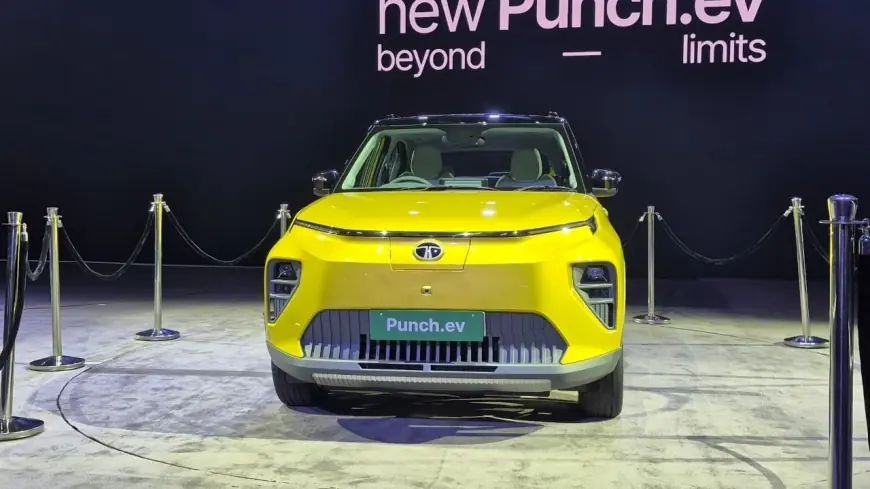
Why this matters now: times of india coverage highlights a shifting threshold in electric mobility — once an electric car reliably delivers more than about 300km of usable range and predictable fast‑charging, it stops being a niche second car and becomes a defensible main vehicle for many households. That shift changes purchase math, ownership models and the kinds of EVs manufacturers will prioritize next.
Consequences for buyers, pricing and product strategy — Times Of India view
Here's the part that matters: the market's pivot point isn't just raw range numbers on a spec sheet. Real-world usable range with a buffer, plus the ability to recover significant kilometres in short charging stops, alters consumer confidence. For drivers who average roughly 50–60 kilometres a day, that 300km mark is the psychological and practical boundary that makes a single electric car cover both daily commutes and occasional longer trips.
Manufacturers crossing that threshold change three things at once: the perceived need for a combustion backup, the structure of pricing and finance offers, and the emphasis on fast‑charging capability when marketing models.
Which specs and ownership features are driving the change
Not every small electric car has the range profile that supports primary-vehicle use. A few models in the market have claimed ranges that suit city commutes, while newer variants push beyond the 300km real-world benchmark and add faster recharge times. Key technical shifts shown in recent coverage:
- Some small EVs have claimed ranges below the 300km turning point, adequate for daily city driving but limited for longer trips.
- A refreshed model with a larger 40kWh battery posts an ARAI-certified range figure substantially higher than smaller packs, and a manufacturer-level 'C75' near-real-world estimate of around 355km — placing it beyond the 300km threshold.
- Faster DC charging capability (example: a 65kW charger) can take a battery from 20% to 80% in about 26 minutes; shorter 15-minute charges can add well over 100km of usable range, making longer journeys manageable with brief stops.
- Trim and battery choices remain: a smaller 30kWh option continues to offer meaningful certified range while the 40kWh variant provides higher performance suitable for highway use.
- Price positioning and alternative ownership models matter: the facelifted model is priced to sit near entry-level combustion cars, while a Battery-as-a-Service option lowers upfront cost with a separate per-kilometre battery subscription.
It’s easy to overlook, but the 'C75' figure is intended as a near-real-world yardstick — a clearer indicator of everyday experience than a pure lab-certified claim.
The real question now is how buyers weigh a higher sticker with a larger battery against subscription models that reduce initial expense but add running costs per kilometre.
Short practical breakdown (specs and ownership signals)
- Usable-range tipping point highlighted: roughly 300km of real-world range.
- Example real-world estimate shown: near 355km for a higher-capacity variant (manufacturer-disclosed C75 figure).
- Fast-charge benchmark: 20–80% in ~26 minutes on a 65kW DC charger; 15 minutes of charging can yield 135km of range.
- Pricing snapshot: higher-capacity variants priced closer to entry-level combustion cars; BaaS starting-price options reduce upfront cost with a per-km battery fee.
Micro Q&A (quick clarity for prospective buyers):
- Q: Will a 300km real-world range let me rely on a single car for a family? A: For routine daily use and occasional long drives, crossing 300km with dependable fast charging makes that practical for many households.
- Q: Does fast charging really close the gap with petrol refuelling? A: Short fast-charge sessions that add 100+ km in 15–30 minutes shift the experience closer to conventional refuelling patterns for longer trips.
- Q: Which ownership route lowers the barrier most? A: A lower purchase price with a battery subscription reduces upfront cost, while full purchase keeps per-kilometre operating costs lower — the choice depends on driving patterns.
What's easy to miss is the combined role of realistic range metrics and transparent charging performance: both must be credible to change long-term buying decisions.
For readers comparing options, look for verified near‑real‑world range figures and explicit charging-time claims when evaluating whether an electric car can be your main ride; these two metrics will likely determine how quickly EVs replace conventional household cars.