





















Novak’s underrated serve: what ATP peers, coaches and opponents are rethinking

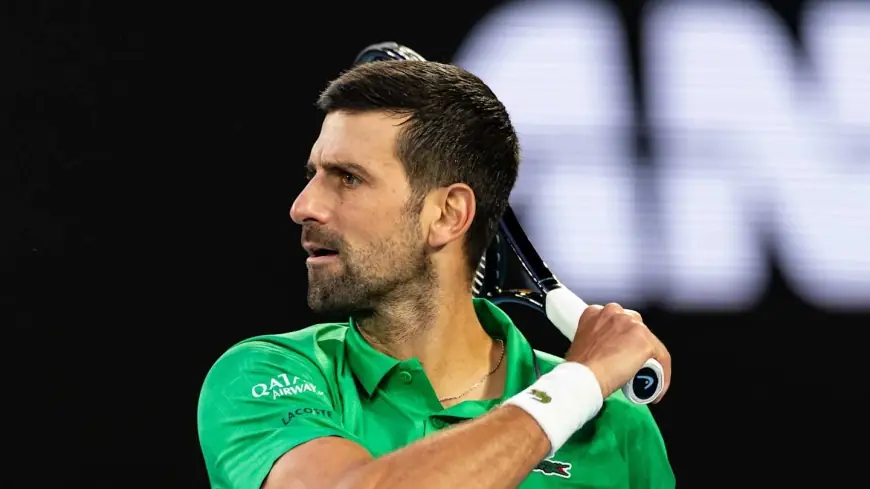
For opponents, coaches and detail-minded fans, the takeaway is practical: novak’s serve draws less spotlight than his returns and movement, but those percentages create match pressure that changes how opponents prepare. Retired player Christopher Eubanks flagged this perception on a prominent podcast, and the numbers behind the claim give coaches clear tasks when mapping strategy against Djokovic.
Why opponents and coaches should care about Novak's serve
When a top player’s strengths are labeled “underrated, ” that often means the edge is exploitable in planning, not that it’s weak. For rivals, an underrated serve forces a tactical choice: treat it as a primary weapon or an under-advertised bonus that still wins free points. For coaches, those first- and second-serve percentages shape return positioning, rally construction and when to target short-chalance opportunities during pressure moments.
What Christopher Eubanks said and where he said it
Retired tennis player Christopher Eubanks, who never had a chance to face Djokovic in his career, commented that many current players on tour believe Djokovic's serve doesn't get applauded as much as it should. Eubanks made the remark while appearing on Andy Roddick's podcast, Served. His framing was that peers on tour view the serve as an underrated element of Djokovic's otherwise remarkably complete game.
Serving numbers that fuel the conversation
- Novak Djokovic: landed 65% of his first serves, winning those first-serve points 74% of the time; points won coming off his second serve fall to 55%.
- Roger Federer: landed 62% of first serves, winning 77% of those first-serve points.
- Rafael Nadal: landed 68% of first serves, with a first-service points-won percentage of 72%.
For all three, their numbers fall into the... unclear in the provided context.
Quick Q& A players and curious fans are asking
- Q: Does “underrated” mean Djokovic’s serve is weak?
A: No. The description points to quieter recognition from observers rather than weakness — the percentages show a high first-serve effectiveness. - Q: Who raised this point publicly?
A: Christopher Eubanks mentioned the tour’s view on Andy Roddick's podcast, Served; Eubanks is identified as a retired player who never faced Djokovic. - Q: Should opponents change return plans?
A: Teams and players can use the first- and second-serve splits to adjust aggressiveness and depth on returns, particularly in tight moments.
How this reshapes match planning and mental mapping
Here's the part that matters: a 65% first-serve landing rate combined with winning 74% of those points makes the serve a consistent pressure source, not a sporadic weapon. If opponents underplay that, they may be conceding too many short points or failing to build the right point patterns that exploit Djokovic’s weaker second-serve conversions.
If you're wondering why this keeps coming up, it’s because Djokovic’s broader reputation for completeness can bury discrete tools that still swing momentum—his serve is one of those tools. Coaches mapping practice sessions can prioritize return drills that increase neutralizing first serves and create more attacking opportunities on the second.
What's easy to miss is how those percentages interact with match tempo: strong first-serve wins shorten rallies, which in turn amplifies any momentary lapses in focus or composure—one of the few flaws observers sometimes point to in Djokovic's otherwise mentally resilient game.
The real question now is how rivals translate this recognition into match-by-match tactics without overcommitting to an approach that Djokovic can then counter. Small adjustments in return depth, serve placement targeting and mid-point construction will be the signal areas to watch for from opponents preparing specifically for Novak.
Writer's aside: the contrast between a reputation for mental toughness and a noted tendency toward occasional lapses in tight matches is subtle but consequential; it’s precisely where serving percentages matter most to planners and opponents.