

























Rising Food Costs Squeeze Iranians Amid Looming US Attack Threat

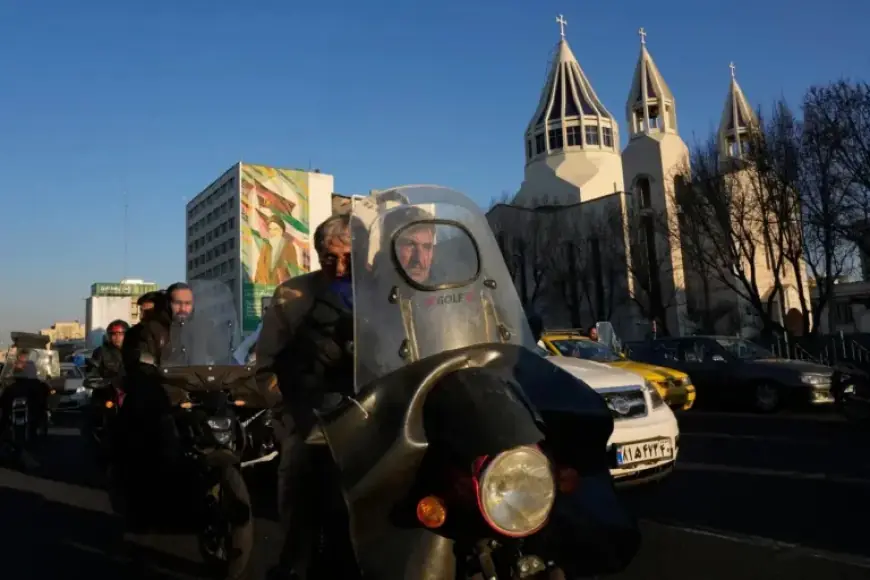
Iranians are facing a mounting crisis as food costs continue to soar amid fears of a potential U.S. attack. Everyday prices for essential goods are rising, forcing many families to adjust their shopping habits. Social media has become a platform for sharing images of reduced shopping carts, capturing the growing struggles of daily life.
Economic Turmoil and Rising Costs
The Iranian economy is grappling with serious challenges, primarily caused by international sanctions and poor management. After the 2015 nuclear deal led to some economic relief, the landscape changed drastically when U.S. President Donald Trump withdrew from the agreement in 2018. Since then, a renewed “maximum pressure” campaign has exacerbated the situation, leading to further sanctions that target Iran’s financial and energy sectors.
Impact on Currency and Inflation
The Iranian rial’s value has plummeted dramatically. In 2015, the exchange rate was about 32,000 rials to one dollar. By late December, this figure soared to 1.3 million rials per dollar, and recently it reached an alarming 1.65 million rials per dollar. Inflation has exceeded 46% compared to the previous year, causing a crisis in purchasing power.
- Value of Rial: 32,000 rials (2015) to 1.65 million rials (2023).
- Inflation Rate: Over 46% year-over-year.
Struggling Families
Many Iranians, particularly those with fixed salaries, are feeling the financial strain. Ebrahim Momeni, a retired civil servant, highlighted how lower-income groups are squeezed by rising prices for basic goods. A significant increase in costs includes:
- Kilo of red meat: Increased from 13 million to 22 million rials.
- Liter of milk: Doubled from 520,000 to 1.1 million rials.
- Box of pasta: Rose from 340,000 to 570,000 rials.
With family incomes struggling to keep pace with these surging prices, many are seeking alternative shopping times or bulk purchasing strategies to save money.
Emergency Preparedness Amid Conflict Fears
Amid fears of a potential U.S. strike, Iranians are also preparing for uncertainty. Purchases of emergency supplies such as flashlights, gas ovens, and non-perishable food items are on the rise. People like Saeed Ebrahimi, an electrical technician and father of two, are buying in bulk to prepare for possible future needs.
Government Response and Public Sentiment
In response to the crisis, the Iranian government started a cash distribution program in January, providing 10 million rials monthly to approximately 70 million citizens. However, experts believe this support is insufficient in light of the persistent economic strain.
The potential for conflict continues to overshadow the Iranian economy, with President Trump threatening military action if a new nuclear deal is not struck. Negotiations have been ongoing recently, but the public remains skeptical about their efficacy. As taxi driver Farhad Panahirad put it, many are left feeling pessimistic about any potential relief.
In everyday conversations, the looming threat of war is a constant topic, reflecting a pervasive sense of unease in society. Ebrahim Momeni encapsulated the sentiment: “This state of limbo is worse than war.”