























Sonny Styles' Combine Explosion Changes How Teams Value Size and Explosion at Inside Linebacker

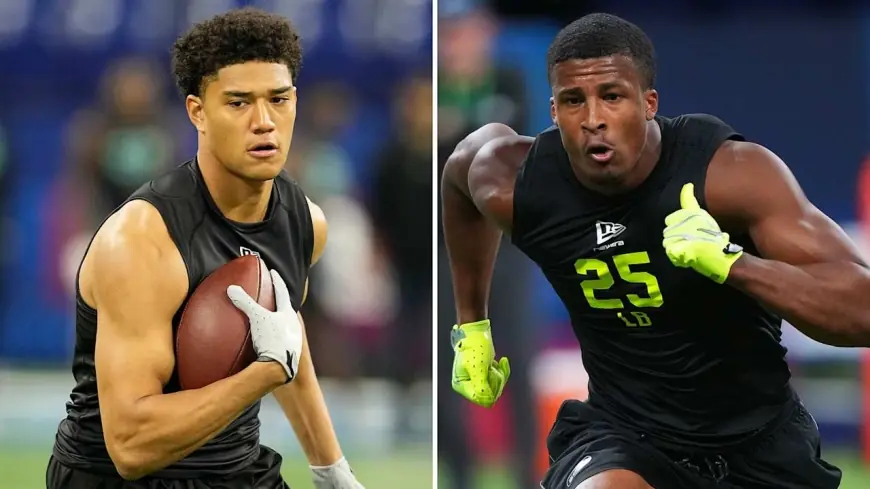
Here’s why it matters: sonny styles' workout reframes which traits NFL teams prize for bigger defenders. A 43. 5-inch vertical, an 11-foot-2 broad jump and a 4. 46 40-yard dash from a 6-foot-5, 244-pound inside linebacker pushes evaluators to compare him to true physical outliers, not just positional prototypes. That dynamic will ripple through draft boards as the NFL Draft approaches in 56 days.
Sonny Styles' upside: who feels the immediate impact
Teams that prioritize explosive length and play speed will see immediate value here. Styles’ combine numbers — including a vertical that was 1. 5 inches shy of the all-time combine mark and a broad jump that ranks fourth among linebackers since 1999 — force a rebalancing of checklist items for inside linebackers who previously were judged more on instincts and positional experience than raw explosion. The combination of size and explosiveness also changes how matchups against big receivers and running backs are projected.
What the numbers were and how rare they are
At the testing site, Styles posted a 43. 5-inch vertical and an 11-foot-2 broad jump. His 4. 46 time in the 40-yard dash tied for the best time of the day with Arvell Reese. The vertical was only 1. 5 inches off the all-time combine record, and he was the only person over 240 pounds to clear 43 inches since 2003. His broad jump ranks fourth among linebackers at the combine since 1999. Scouts also noted a 92 estimated athletic score that ranked first among linebackers.
How his build and past performance stack up
Measured at 6-foot-5 and 244 pounds, Styles draws unusual physical comparisons: he was measured up closely with a former Detroit Lions receiver known for size, and is larger than several current skill-position players while posting higher jumps than some of them. He followed an 83-tackle season and is classified in scouting files as a former safety who reclassified in high school; at 21 years old he is one of the youngest players in the draft pool. Those background elements — production, position switch and youth — compound the intrigue around his athletic ceiling.
Family, high school roots and teammate connections
Football runs in the family. Styles is the son of Lorenzo Styles Sr., who played for the Buckeyes from 1992 to 1994 before a six-year NFL career with the Falcons and Rams and a Super Bowl XXXIV ring. His older brother, Lorenzo Styles Jr., transferred from Notre Dame and played alongside him at Ohio State; Jr. posted a faster 4. 28 in his 40 and was a former kick returner. If you watched sonny styles play basketball at Pickerington Central (Ohio), his rim-shaking dunks and blocks foreshadowed this kind of explosiveness — he even shared high school court time with Devin Royal, a Buckeyes basketball player.
Draft positioning, peer performances and roster implications
In recent mock drafts he is projected to be selected No. 12 by the Cowboys in a recent mock draft, and his day at the combine will be folded into evaluations across multiple boards as teams prepare for the draft in 56 days. His 4. 46 ties him with former teammate Arvell Reese and matches the time of a prominent running back despite being bigger. Ohio State’s defensive depth is notable: Reese went fourth in that mock, Caleb Downs is projected to go No. 5 in the same mock and will draw attention with his own combine session, and cornerback Davison Igbinosun was also scheduled to work out on the following day.
Combine reactions, comparisons and organizational takes
The side-by-side comparisons on broadcast highlight reels drew attention beyond scouts. Kyle Hamilton said he felt the same surprise many fans did after a televised overlay showed Styles outpacing other big defenders; Hamilton joked about being "frame mogged" and called Styles "1 of 1. " The phrase "frame mogged" describes when a larger or more dominant physical build makes another player look smaller or less athletic by comparison. Overlays also put Styles ahead of a high-profile receiver and a safety in the 40-yard sprint, where neither kept up with his 4. 46 time.
Other performances at the workout turned heads too: tight ends Kenyon Sadiq and Eli Stowers impressed, and Sonny Styles and Caleb Banks were singled out for their physical traits. Clubs that are targeting edge help in this draft class view talented edge players as resources to strengthen pass rushes. Organizational leaders are emphasizing trenches and line play: a general manager noted defensive tackle as a priority position, and a new head coach described the league as driven by offensive and defensive lines. One franchise has historically drafted two tight ends in the same class four times, and that club is among those weighing options like an Isaiah Likely return and retaining a center such as Tyler Linderbaum.
What’s easy to miss is how widespread the ripple effect will be across position groups: a linebacker posting receiver-like explosiveness forces different matchups and roster decisions.
Quick Q&A to cut through the noise
- Q: Does the workout change where he might be picked? A: The workout amplifies his upside and is likely to move him up some boards, though final placement depends on team needs and further evaluation.
- Q: Is this athletic profile unique for linebackers? A: Yes — a 43. 5-inch vertical and an 11'2" broad jump from a player over 240 pounds is exceptionally rare and ranks among the best results for linebackers historically.
- Q: How do his family connections factor in? A: His father’s Buckeyes and NFL background, and his brother’s presence at Ohio State, add context to his football upbringing and competitive environment.
The real question now is how clubs translate these numbers into responsibility on the field; metrics matter, but scheme fit and tape will decide draft-day choices. A final note: some context elements in the public record are unclear in the provided context and may evolve as teams finish evaluations.
It’s easy to overlook, but the sum of youth, production, size and historic explosiveness is what makes this particular prospect a different kind of evaluation problem for NFL decision-makers.