
























How Jared Mccain’s Trade Is Backfiring on Several Teams as He Thrives in Oklahoma City

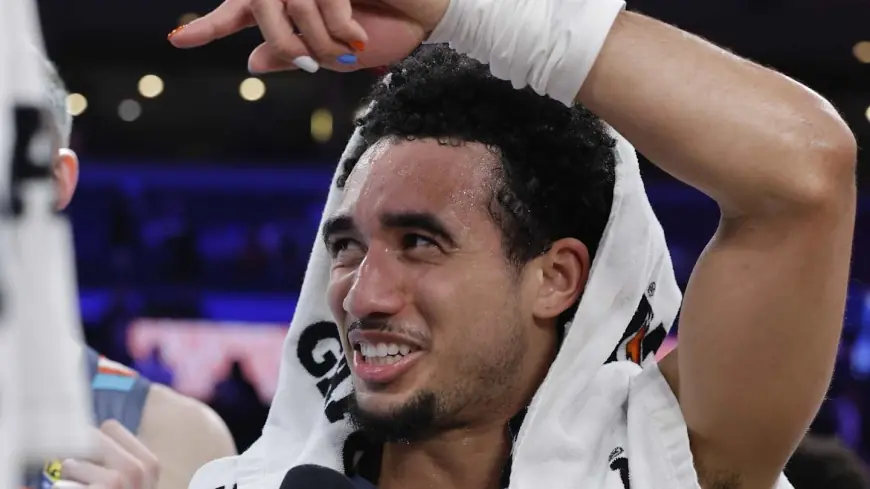
jared mccain has quickly turned a deadline move into a clear on-court advantage for his new team, forcing rivals and former employers to reassess their decisions. After the trade, McCain’s minutes, scoring and shooting efficiency have all seen measurable lifts, and those shifts are already shaping narratives around missed opportunities and front-office judgment calls.
Jared Mccain’s breakout in Oklahoma City
Since joining Oklahoma City, Jared Mccain has been inserted into a rotation that has given him more regular minutes and a chance to convert potential into production. In an early stretch with his new team he averaged double-digit scoring and posted strong shooting percentages, including particularly efficient three-point shooting. One recent game highlighted the impact: McCain delivered a 20-point outing off the bench against the Pistons, a performance that underlined his threat as both a catch-and-shoot specialist and a player who can create off the dribble.
Coaches in Oklahoma City have used McCain in roughly the same mid-to-high-teens minute range that he held previously, but the uptick in trust and rhythm has translated to better results. A separate notable performance with his new team included a 21-point game featuring multiple made threes against the Nets, further signaling his immediate offensive value.
Why rival teams now regret passing on McCain
The Pistons are a clear example of a team that missed a chance to add McCain. Rather than pursue the young guard, Detroit focused on a financial move that saw them trade away Jaden Ivey and acquire Kevin Huerter. That return has not produced the same on-court payoff in the short term, with Huerter not seeing regular floor time and offering more limited upside beyond shooting. Observers note that acquiring a 22-year-old shooter with playmaking upside would have been a different sort of upgrade for a rebuilding roster.
On the Sixers’ side, front-office choices are also under scrutiny. The team traded McCain for a future first-round pick and multiple second-round selections, a move framed as selling a young player for draft capital. The trade prompted a prominent executive to say the team had “sold high” on McCain, and the young guard’s early success in his new setting has intensified questions about whether the balance between immediate depth and long-term assets was struck properly.
What this means for rotations and the weeks ahead
McCain’s combination of perimeter shooting, movement without the ball and occasional playmaking makes him a useful rotational piece on a contender-caliber roster. His ability to occupy defenders and open lanes can create space for primary scorers, and his comfort attacking off the bounce gives coaches tactical flexibility, particularly when starters are out.
The situation remains dynamic. McCain’s ramp-up in Oklahoma City has produced clear short-term returns, but roster decisions and minutes will continue to evolve as players return from injury and coaches adjust rotations. Teams that passed on him will face ongoing pressure to justify those choices if his production remains steady.
For now, the narrative is simple: a deadline move that looked modest on paper has yielded immediate on-court benefits, while rival teams and the player’s former club must reckon with the trade’s implications as the season progresses.