























Punch The Monkey Update: Why the viral rejection landed on zoo gates and in strangers' memories

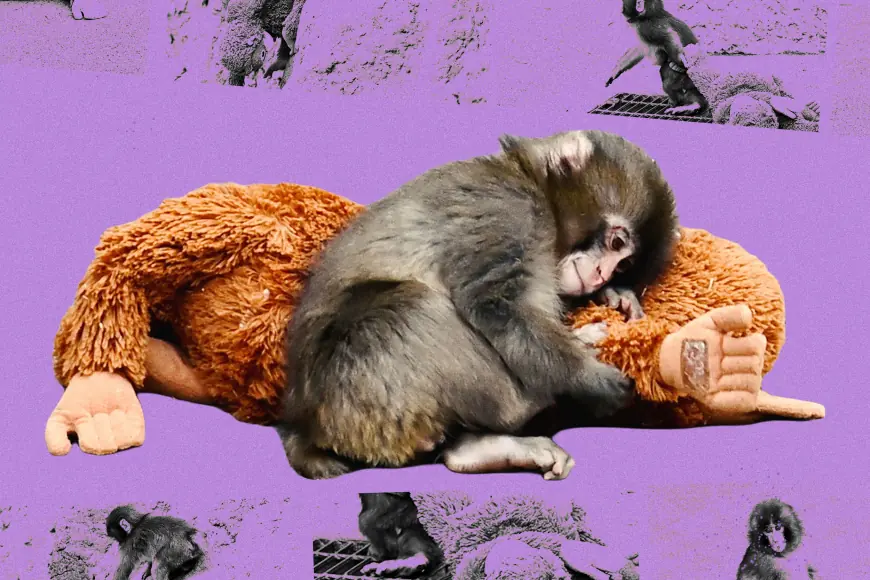
The punch the monkey update hit hardest where people expect care to exist first — at the zoo enclosure, then in feeds and inboxes. Zoo staff and visitors felt the immediate strain: lines formed outside the Ichikawa City Zoo and staff were deluged with contacts from around the world. For many others, the story resonated as a mirror of personal abandonment and public compassion.
Punch The Monkey Update — who noticed first and why it spread
Here’s the part that matters: the scene was both local and global. A routine zoo update prompted a rapid emotional cascade that pulled in casual visitors, regular patrons, and remote onlookers with little connection to the facility. The stuffed toy Punch clung to became a focal point for empathy and outrage, and the reaction fed on itself — more visitors, more attention, more demand for action.
What happened at Ichikawa City Zoo (key facts)
- Punch is identified as a 7-month-old Japanese macaque kept at Ichikawa City Zoo, located about 12 miles from central Tokyo.
- A post from the zoo on Feb. 5 described the baby macaque in its care; within hours clips of Punch had drawn millions of views.
- Punch was rejected by his birth mother shortly after birth and was raised by zookeepers before being introduced to the troop; early introductions saw him pushed away, swatted and corrected.
- When stressed, Punch repeatedly returned to a stuffed orangutan given by keepers and nicknamed by fans as "Ora-mama. "
Public reaction, cultural effects and the toy shortage
The viral clips produced an online hashtag that went worldwide, prompted lines outside the zoo, and generated direct appeals to staff from international observers convinced Punch was being bullied. A notable commercial ripple was the rapid sellout of an Ikea stuffed orangutan across multiple regions within days — the toy became a symbol and a commodity in the same moment.
Signs of social recovery and expert perspective
Recent footage suggests Punch is beginning to be accepted by other macaques. He was seen receiving a hug from one monkey and engaging in grooming with others — grooming is a central element of macaque socialisation and friendship-building. Punch had spent early months relying primarily on human keepers and the toy, so these interactions mark an observable shift in behaviour.
Matt Lovatt, director for Trentham Monkey Forest in the U. K., is noted for explaining that grooming is the key method these primates use to build friendships; he oversees Barbary macaques at a wildlife sanctuary near Stoke-on-Trent and has commented on the importance of grooming for social reintegration.
Broader, sometimes unrelated, headlines that ran alongside the story
- A suspect wanted for multiple counts of theft was caught outside a temple on the outskirts of Bangkok.
- A court is due to deliver a verdict in the insurrection trial of Yoon Suk Yeol.
- Arunoday Mukharji explained why India needs to capitalise on the momentum (context unclear in the provided context).
- A Lakshmi goddess shrine at a Bangkok shopping mall has become a place where young people come to pray for love.
- It was noted as the first election since the 2024 Gen Z uprising that toppled Bangladesh's long-serving prime minister Sheikh Hasina.
- A pro-democracy media tycoon was sentenced to 20 years in jail by the Hong Kong High Court.
- At least 31 people were said to have been killed after a suicide bomber detonated a device at a Shia mosque, police were referenced.
- A mayor in the Philippines survived a rocket launcher attack on his vehicle in broad daylight.
- Jonathan Head described a devastating accident as an enormous setback to Thailand's infrastructure modernisation efforts.
- Voters in Myanmar described the poll as taking place in a "climate of fear. "
- Hong Kong media tycoon Jimmy Lai was found guilty of foreign collusion following a national security trial.
- Thousands of adoring supporters had paid up to 12, 000 rupees (£100; $133) to catch a glimpse of a football star.
If you’re wondering why this keeps coming up: for many viewers Punch is a shorthand for larger questions about caregiving, loneliness and the responsibility of institutions that house animals.
Embedded human stories in the original account deepen that resonance. The writer of an early opinion piece connected Punch’s behavior to personal trauma: they were abandoned on a stairwell in Hong Kong in 1959, spent 17 months in an orphanage, and were later adopted by a Chinese American immigrant couple. The writer described an adoptive mother who struggled with severe, untreated mental illness that made warmth and physical affection difficult, and traced how that history produced a lifelong fear of rejection and a desperate need to belong. That parallel — human and primate responses to abandonment — was central to why the footage affected so many readers.
What’s easy to miss is the broader data point offered alongside the personal essay: a 2023 survey found only 38% of Americans describe themselves as securely attached, and people with anxious attachment were more than three times as likely to report chronic loneliness. Those statistics were used to explain why Punch’s audience grew so quickly.
One detail in earlier coverage is unclear in the provided context: an older female macaque at Ichikawa Zoo was named "Ansing d" (unclear in the provided context).
Writer’s aside: observers who flock to a single moving image often bring private histories with them; that’s part of why animal stories can become cultural mirrors almost overnight.
For now, the punch the monkey update reads like a small behavioural recovery with outsized public consequence: Punch is showing signs of social reintegration while the world around him keeps debating care, commerce and compassion.