























Kenyon Sadiq Turns Heads at the 2026 NFL Combine With Record-Speed Tight End Run

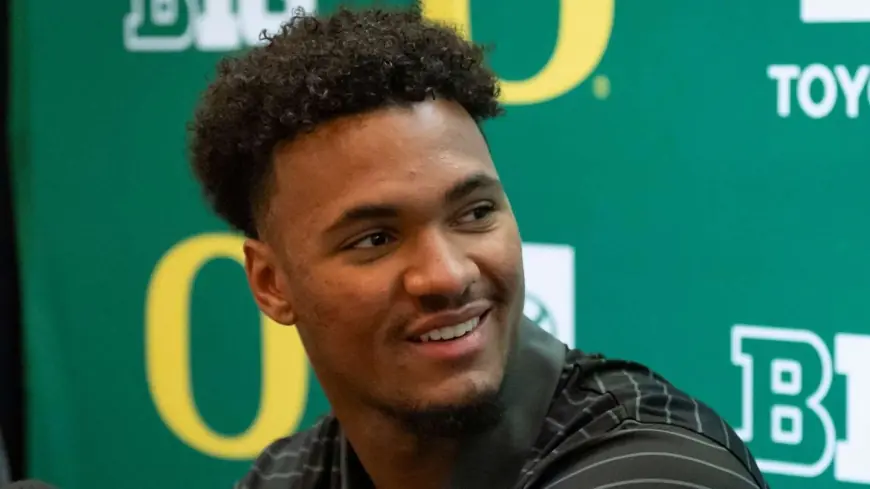
Kenyon Sadiq delivered one of the defining moments of the 2026 NFL Scouting Combine on Friday, February 27, 2026 (ET), putting the tight end class on notice with a blazing 40-yard dash that instantly reshaped top-of-the-draft conversations. The Oregon standout entered Indianapolis viewed as a premier prospect at his position. He left the first wave of on-field testing with a headline number and fresh “matchup nightmare” talk following him into every draft room.
Kenyon Sadiq’s 40-Yard Dash Becomes the Combine’s Tight End Benchmark
Sadiq ran a 4.39-second 40-yard dash, a time that stands out not just for a tight end, but across positions. Tight ends who can threaten defenses vertically without sacrificing blocking utility are rare, and that’s why his sprint time carried immediate weight. It wasn’t simply “fast for a tight end.” It was the kind of time that forces evaluators to revisit how a player can be deployed—inline, in the slot, split wide, and even as a motion piece designed to create mismatches pre-snap.
The testing performance also reinforced a theme that has followed Sadiq since Eugene: he plays like an oversized receiver with real tight end functionality. In an NFL that increasingly features tight ends as primary options rather than safety valves, that blend can move a player up boards quickly.
Combine Measurements and the “Modern TE” Profile
Sadiq’s combine week also highlighted the physical baseline teams want for the position: enough mass to survive contact in the run game, enough length to win in tight windows, and enough athleticism to separate against linebackers and safeties. His listed profile has him at 6-foot-3 and 242 pounds, a build that fits the “move tight end” archetype while still allowing teams to project him into more traditional roles with the right development.
What matters most now is how teams interpret the total package. For some, Sadiq projects as a featured offensive chess piece. For others, the question is how quickly he can become dependable as a full-service tight end who stays on the field for every personnel grouping.
2025 Production at Oregon Put Him on the First-Round Track
The combine sprint didn’t come out of nowhere. Sadiq’s 2025 season production already placed him among the most productive tight ends in the country. He finished with 51 receptions for 560 yards and eight touchdowns, numbers that signaled red-zone value and consistent involvement rather than occasional splash plays. That balance is often what separates a “traits” prospect from a player teams trust early.
His college tape has featured the kind of usage NFL offenses crave: seam routes that punish single coverage, quick-hitting throws that let him run after the catch, and formation versatility that makes defensive matchups uncomfortable. When a player has both production and elite testing, the draft conversation shifts from “potential” to “how high.”
Draft Stock Watch: Top 20 Buzz and Team Fits
Sadiq is now being discussed comfortably in the top 20 pick range in many circles, with the tight end premium returning as offenses search for answers against two-high safety looks. A tight end who can threaten the middle of the field forces defenses to compress, which can open outside lanes for receivers and create lighter boxes for the run game.
Teams that prioritize play-action, multiple tight end sets, and heavy motion can maximize his value quickly. The most natural fits are offenses that already treat the tight end as a featured target rather than a situational piece. If a team believes it can build weekly matchups around him, the incentive to secure him early grows.
Injury Context: What Scouts Will Recheck Before April
One storyline teams will continue to vet is health. Sadiq dealt with an in-season injury in 2025 that lingered for part of the year, and evaluators will want complete clarity on recovery, durability, and whether any limitations affected his late-season usage. Combine testing helps answer some of that—players don’t run elite times if they’re moving tentatively—but medical checks and interviews remain a major part of draft due diligence.
For tight ends, the concern is always compounded by role: they take hits like receivers over the middle and like linemen on the edge. Teams will weigh how his frame holds up across a 17-game season.
What Happens Next for Kenyon Sadiq
Sadiq’s next steps are straightforward: pro day work, private team visits, and continued interviews where franchises test football IQ, playbook absorption, and role flexibility. The combine has already done its job by giving him a defining number that every broadcast and scouting report will repeat between now and draft night.
Here’s a quick snapshot of the key indicators shaping his momentum:
| Indicator | Why It Matters |
|---|---|
| 4.39-second 40-yard dash (Feb. 27, 2026 ET) | Rare speed that changes matchup projections |
| 2025 receiving line: 51-560-8 | Production plus red-zone finishing |
| Versatility across alignments | Allows creative usage without substitutions |
| Medical evaluations ahead of the draft | Determines confidence in long-term durability |
Kenyon Sadiq entered combine week as a top tight end prospect. He exits it as the tight end prospect everyone must plan for—an athlete whose speed and production are now pushing the position back toward the front half of Round 1.