
























Laura Ingraham and the Media Moment: Who Feels the Impact of Trump's Grisly 'Golden Age' Pitch

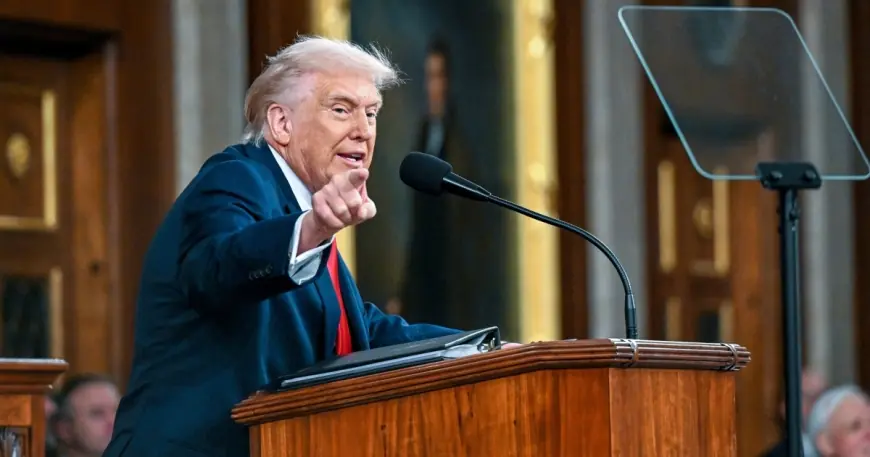
The State of the Union leaned into brutal, attention-grabbing scenes that change how the speech lands long after the lights go down. That matters now because the immediate human images — wounded service members, a slain National Guard member and tales of violence attributed to migrants and foreign foes — force audiences, families of uniformed personnel and commentators like laura ingraham to process policy arguments through the lens of trauma and threat.
Laura Ingraham and the broader ripple: who is affected first
Here’s the part that matters: the speech didn't simply assert that the country is entering a "golden age" — it paired that claim with grisly anecdotes meant to provoke a visceral reaction. The earliest, clearest impact is on viewers who experience those anecdotes as immediate, personal evidence of danger; next are the families and fellow service members named or described; finally, the broader political conversation and media framing absorb the shock value and translate it into pressure for policy responses. The real question now is how sustained that pressure will be once the initial vivid details fade from headlines.
- The narrative centered on a contrast: a proclaimed national renaissance described at the same time as a landscape of predation and violence.
- Two National Guard members were discussed in graphic terms — one who survived and attended the address, and another who was killed while on duty near the presidential residence.
- A wounded service member from a recent overseas strike was portrayed with severe battlefield injuries; the mission was presented as ultimately successful.
- Observers familiar with presidential oratory noted continuity with earlier speeches, including a high-contrast inaugural address that used stark imagery to dramatize national decline and renewal.
- Names and specific anecdotes were used as rhetorical levers to build support for the speaker's defensive policy agenda.
How the speech used stories and what actually happened
Rather than offering dry statistics, the address relied on individual accounts: a National Guard member who nearly died while on duty and whose comrade was killed; a phone call described with graphic detail to underscore personal loss; and an account of a warrant officer hit repeatedly during a helicopter operation that left him badly wounded but alive. Those examples were presented to justify a tougher posture at home and abroad and to dramatize threats posed by undocumented migrants and foreign adversaries.
Speechwriting commentary singled out the use of gruesome imagery as a deliberate stylistic choice that has appeared before, most notably in the speaker's inaugural remarks several years earlier, which painted a picture of industrial decline with striking labels and metaphors. What’s easy to miss is how those rhetorical choices convert isolated tragedies into a broader narrative of national peril that asks audiences to accept forceful policy responses.
Key takeaways:
- The address juxtaposed optimistic national claims with graphic accounts of violence to build emotional momentum for policy proposals.
- The human stories highlighted — including a surviving guard member who attended the speech and a fallen comrade — will shape public sympathy and focus attention on security measures.
- Military anecdotes tied to an overseas operation were used to underline the costs of defending national interests.
- Commentators across the spectrum, from prime-time hosts to opinion columnists, are likely to parse those stories differently; mentions of laura ingraham have already been part of that broader media conversation.
Embedded timeline note: the rhetorical approach echoes the speaker's inaugural address several years earlier, where bleak imagery was used to set up a promise of renewal; that contrast between decline and rebirth reappeared in this recent address.
The real test will be whether the vivid anecdotes translate into measurable shifts in public opinion or congressional action. If the stories sustain attention and produce sustained pressure, policy moves tied to domestic security and foreign military posture may follow; if they dissipate, the speech's immediate emotional punch could prove short-lived.
It’s easy to overlook, but the use of graphic detail is as much a storytelling choice as a policy pitch — and that double role makes reactions from audiences and media players central to any near-term outcome.