























Lauren Boebert Photo Interrupts as Bill Clinton Testifies for More Than Six Hours in Epstein Inquiry

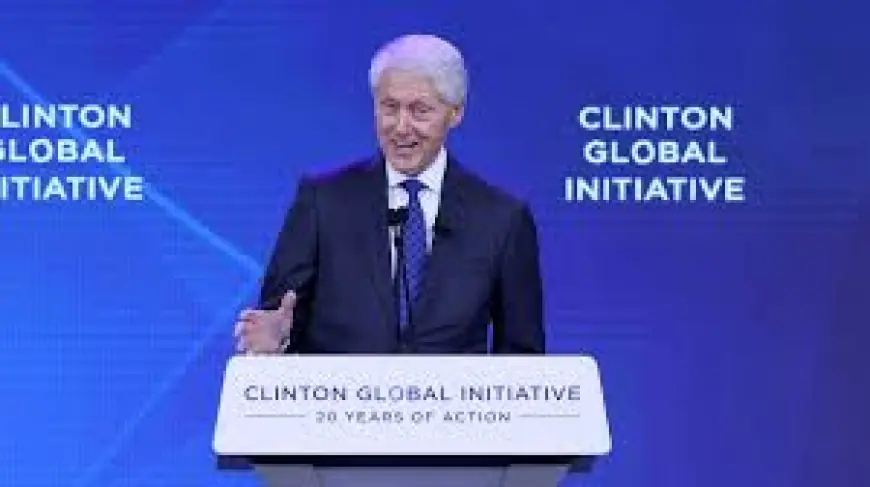
Former President Bill Clinton spent more than six hours answering questions from the Republican-led House Oversight Committee near his Chappaqua, N. Y., home, telling investigators he "saw nothing, and I did nothing wrong. " The testimony came a day after his wife, former Secretary of State Hillary Clinton, sat for a closed-door deposition that was interrupted after an image taken by lauren boebert from inside the room was posted online.
Bill Clinton deposition in Chappaqua lasted more than six hours
Clinton told members of the committee, "I know what I saw, and more importantly, what I didn't see, " and "I know what I did, and more importantly, what I didn't do, " stressing he had no knowledge of the scope of Jeffrey Epstein's crimes. The Republican-led panel is pursuing what it describes as a massive investigation into Epstein and the network that facilitated his reported decades of sex trafficking.
The former president's extended session followed months of tense negotiations with committee leaders. Lawmakers ultimately compelled the Clintons to appear by threatening to hold them in contempt of Congress, an official action that led to both spouses sitting for depositions on consecutive days.
Hillary Clinton's opening statement stresses 'no knowledge' and pushes back
Hillary Clinton delivered a closed-door deposition on the day before her husband, but she released her opening statement publicly. In that statement she said she did not remember ever meeting Jeffrey Epstein and denied visiting his island, his homes, or his offices. She characterized the committee's effort as a "fishing expedition" and wrote that she had been compelled to testify despite having no knowledge that would assist the investigation, saying the process was intended to distract from other political matters.
After her session, she told reporters she repeatedly had to say she did not know Epstein. She also described the line of questioning as having veered into subjects she called unusual, including inquiries about UFOs and the debunked Pizzagate conspiracy theory.
Lauren Boebert photograph prompts hourlong disruption during Hillary Clinton deposition
An image taken from inside the closed-door proceedings by GOP Rep. Lauren Boebert and subsequently posted online produced an hourlong disruption during Hillary Clinton's deposition. The photograph and its online circulation directly interrupted the closed hearing and drew attention to security and decorum surrounding compelled testimony. The posting of the image caused the committee to pause the session, creating a visible break in the testimony.
The involvement of lauren boebert in the posting is notable because it occurred inside a setting intended to be confidential, prompting debate among members about how the proceedings were handled.
Jeffrey Epstein's convictions, 2019 arrest and death remain central to the inquiry
Investigators are focusing on Epstein, a wealthy financier who spent time with prominent figures, and allegations that he ran a sprawling criminal operation that victimized dozens of underage girls over multiple decades. Epstein was convicted in 2008 on two counts of soliciting prostitution in a deal widely viewed as lenient. He was arrested again in 2019 on federal sex trafficking charges and died by suicide after a little over a month in custody.
Neither Bill nor Hillary Clinton has been accused of taking part in Epstein's alleged crimes, a point that committee leaders have acknowledged even as they press for more information.
Oversight Committee chair James Comer frames the hearings and unanswered questions
Republican Rep. James Comer, chair of the Oversight Committee, said the American people have many questions and that the committee is committed to getting answers. He emphasized that "No one's accusing, at this moment, the Clintons of any wrongdoing... but we have a lot of questions, " framing the hearings as investigatory rather than accusatory.
Comer also said the point of these hearings was to expand the committee's knowledge of the se—unclear in the provided context.
What makes this notable is the rare move of compelling two high-profile former officials to testify under threat of contempt, and the way a single photograph transformed a closed deposition into a public incident, underscoring tensions over transparency, confidentiality and the committee's reach.