

























Bill Clinton Deposition And Hillary Clinton Deposition Ignite New US Flashpoint Over Pizzagate

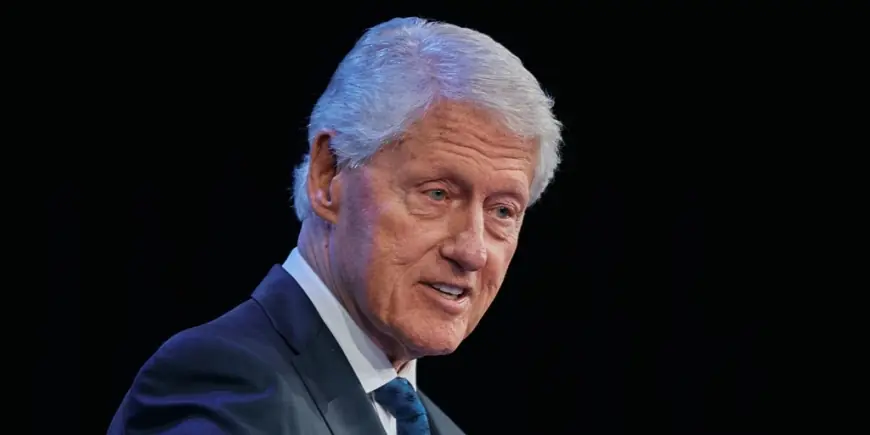
The latest clinton deposition drama unfolded in New York this week as hillary clinton deposition testimony on Thursday, February 26, 2026 (ET), was followed by a bill clinton deposition on Friday, February 27, 2026 (ET), both tied to a House Oversight inquiry into Jeffrey Epstein. What might have remained a procedural Capitol Hill story quickly turned into a broader political brawl—after viral posts and pointed questions revived the long-debunked Pizzagate narrative and sparked a fresh argument over how the US conducts high-profile investigations involving famous public figures.
Bill Clinton Deposition Centers On Epstein Questions And Timeline
During the bill clinton deposition, the former president addressed lawmakers’ questions about his past interactions with Epstein and emphasized he had no knowledge of Epstein’s crimes. The appearance was notable not only because of the subject matter, but because it placed a former president in a formal congressional deposition setting—an escalation that is rare in modern Washington.
The deposition also renewed attention on the broader “clinton” orbit of controversy online, where old allegations and recycled claims often surge alongside legitimate questions. That dynamic, already intense, intensified further once attention shifted from the substance of testimony to what happened around it.
Hillary Clinton Deposition Becomes A Fight About Process And Viral Moments
The hillary clinton deposition on February 26 drew its own spotlight after testimony was briefly interrupted following the posting of a photograph from inside the deposition room, an incident that triggered immediate procedural concerns. Hillary Clinton later criticized the day’s questioning as repetitive and said the committee spent time on off-topic themes, including UFO-related prompts and the revived “pizza gate” conspiracy framing.
The episode turned the deposition into a messaging battle: Republicans highlighted their push to scrutinize powerful networks and the government’s handling of Epstein-related matters, while Democrats argued the process was being used to generate viral moments more than to build a factual record.
Lauren Boebert, Nancy Mace, And Anna Paulina Luna Step Into The Spotlight
Three high-profile Republican lawmakers—lauren boebert, nancy mace, and anna paulina luna—became central to the story’s political aftershocks. Boebert drew attention for her public comments and for being linked to the photo-related controversy around the Hillary Clinton session. Mace and Luna, meanwhile, were part of a broader wave of hard-edged messaging from conservative members who have pushed for aggressive oversight tactics and public accountability theatrics.
In parallel, the same trio also amplified calls for resignation in an unrelated House controversy involving a colleague facing allegations of misconduct, reinforcing a broader theme: an increasingly confrontational style of congressional politics where investigations, social media, and internal party pressure campaigns blend together.
Benny Johnson And The Photo Controversy Raise A New Question: Who Controls The Room?
The deposition pause triggered a separate debate about how tightly controlled closed-door testimony really is. Online attention focused on benny johnson, a political commentator associated with the spread of the image and the ensuing blowback. That incident reignited arguments over whether congressional depositions can remain secure and orderly when participants or observers have incentives to create shareable moments in real time.
For lawmakers who defend the current approach, closed-door depositions are meant to reduce grandstanding and preserve the integrity of testimony. Critics counter that the system is already porous, and that the line between oversight and spectacle has blurred beyond repair.
What Is Pizzagate, And Why It Keeps Returning
So, what is pizzagate? Pizzagate is a false conspiracy theory from the 2016 era that claimed prominent Democrats ran a child-trafficking ring out of a Washington, D.C. pizza restaurant. The claims were repeatedly debunked and never supported by credible evidence, yet the narrative continues to resurface—often whenever high-profile Democratic figures, especially hillary clinton or the wider clinton circle, re-enter the news cycle.
This week’s depositions offered a textbook example of how it happens: once the term is invoked, it can dominate attention, overwhelm factual discussion, and pull mainstream political debate into the gravitational field of online conspiracism.
Bill Clinton Age, Hillary Clinton Age: The Basic Facts As The Story Spreads
As the depositions dominated headlines, searches spiked for basic biographical questions, including how old is bill clinton and how old is hillary clinton.
| Person | Birthdate | Age (as of Feb. 28, 2026 ET) |
|---|---|---|
| Bill Clinton | August 19, 1946 | 79 |
| Hillary Clinton | October 26, 1947 | 78 |
Those facts matter less to the investigation itself than to the size of the audience: the more the story spreads, the more it pulls in casual readers who are encountering the Clintons as current-event figures again rather than historical ones.
As the committee continues its work, the central test will be whether future hearings and releases produce verifiable findings—or whether the political aftershocks, fueled by social media and the return of narratives like Pizzagate, keep overshadowing the record of what was actually said under oath.