
























Inflation Shock and AI Jitters Drive February Slump — What Changes for Investors

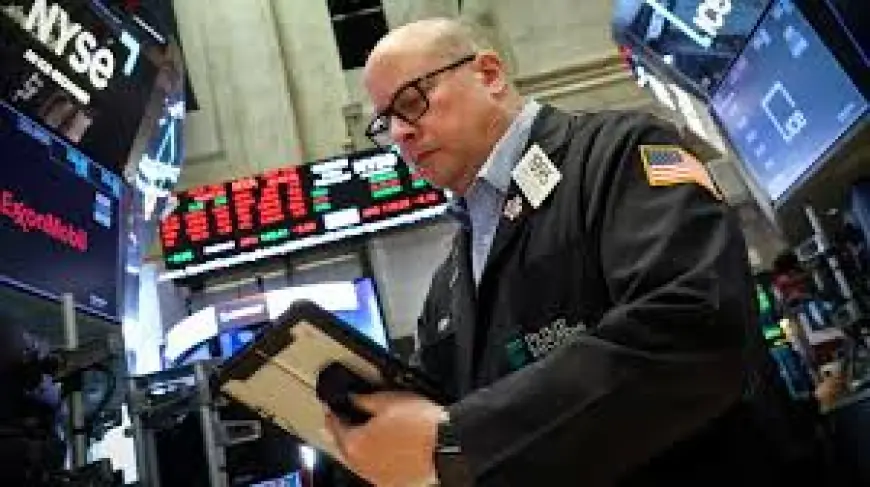
Higher wholesale prices and renewed AI-driven volatility are changing the path for markets and monetary policy. The jump in producer prices has intensified concerns that inflation will remain elevated, raising the risk that planned rate cuts are pushed out — and that’s already reshaping how investors value high-growth and tech names. If you’re wondering why this keeps coming up, the market’s mood and a handful of corporate swings are the reason.
Inflation’s ripple: immediate consequences for policy and risk pricing
Today's Producer Price Index data — a 0. 8% rise in wholesale prices for January — landed heavily on sentiment. That move increases the chance that interest-rate relief is delayed, which in turn tightens the spotlight on companies with long-duration earnings expectations. The real question now is how long elevated inflation readings and AI-related selling pressure will keep growth stocks out of favor.
Market moves at a glance
- S&P 500 fell 0. 43% to 6, 878. 88 on Feb. 27 and was on course to finish February down 1. 43%, its worst month in 11 months.
- Nasdaq Composite slid 0. 92% to 22, 668. 21.
- Dow Jones Industrial Average dropped 1. 05% to 48, 977. 92.
Here’s the part that matters for portfolio positioning: tech and growth stocks bore the brunt of the move as investors recalibrated for slower easing in monetary policy and renewed AI bubble nerves.
Corporate winners, losers and the AI thread
- Nvidia extended its post-earnings slide and turned negative for 2026, amplifying the AI-linked sell-off.
- Dell jumped 21. 93% to close at $148. 08 after a bullish growth forecast.
- Ambarella plunged more than 18% intraday despite reporting positive earnings.
- Zscaler erased yesterday’s gains: the firm beat analyst expectations but sank on billings concerns.
What’s easy to miss is that these swings are not isolated — the same narrative that dents AI winners can quickly spill into broader risk assets when inflation data undermines hopes for early rate relief.
Deal drama and sector stress complicate sentiment
Merger activity and financial-sector strains added to volatility. The bidding battle for Warner Bros. Discovery appears to have reached a conclusion, contingent on regulatory approval. Paramount Skydance gained over 20% after agreeing to pay around $110 billion to acquire the Hollywood brand; Netflix also gained after pulling out of the deal. At the same time, financial stocks faced pressure: the collapse of Market Financial Solutions, a U. K. mortgage lender, sparked contagion fears, and Block announced plans to lay off around 40% of its staff, heightening sector-wide AI disruption worries.
Advisory signals and long-term performance examples
An investment-advisory Stock Advisor analyst team highlighted a set of 10 stocks it considers top picks today and singled out names that historically produced large gains. Examples cited include a recommendation for Netflix on December 17, 2004, where a hypothetical $1, 000 investment would have grown to $456, 188, and a recommendation for Nvidia on April 15, 2005, where $1, 000 would have become $1, 133, 413. The service’s total average return was listed as 916% compared with 194% for the S&P 500; those returns are noted as of February 27, 2026. Emma Newbery holds positions in Nvidia and Zscaler. The advisory’s disclosure indicates it holds positions in and recommends Block, Netflix, Nvidia, Warner Bros. Discovery and Zscaler, and it maintains a disclosure policy.
Near-term indicators that could shift the outlook
Key signals that would change the market’s next move include follow-through inflation readings, billings and earnings trends at leading AI and enterprise software firms, and any contagion developments in the private-credit and mortgage sectors. If wholesale inflation cools in coming releases, the odds of earlier rate relief would rise; conversely, persistent upside surprises would keep pressure on growth multiples.
Writer’s aside: The bigger signal here is how interlinked data, deal news and concentrated stock moves have become — they now amplify each other faster than in past cycles.
February’s slump blends hotter-than-expected PPI, a fresh round of AI skepticism and selective corporate shocks. That mix is why investors are reweighting exposure to long-duration growth and watching financial-sector headlines with renewed caution.