
























Sainsburys to cut 300 head office roles in tech and Argos delivery overhaul

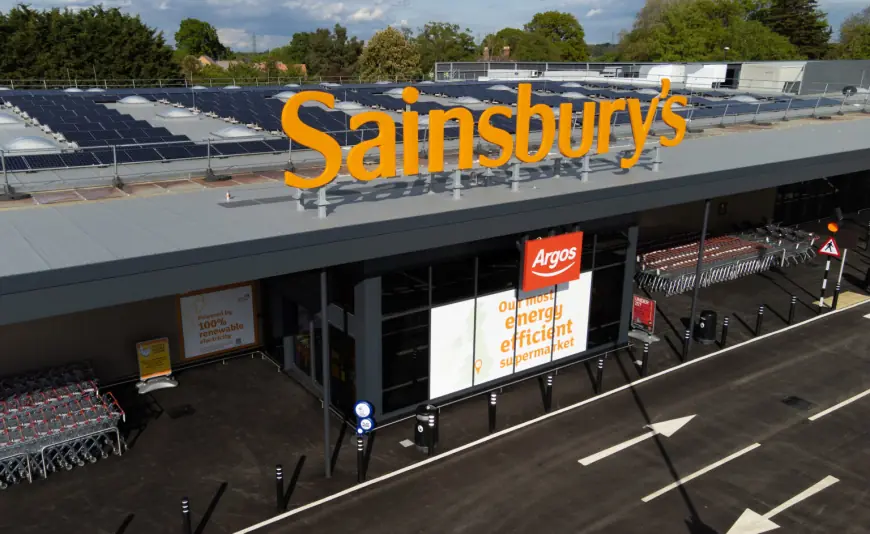
sainsburys is putting around 300 head office jobs at risk as it reorganises its technology and data teams and reshapes the Argos delivery network, moves the company says will separate the supermarket and Argos businesses and change local delivery shift patterns.
Sainsburys reorganises tech teams and Argos delivery hubs
The London-based retail group confirmed that most of the proposed cuts fall within its technology and data division, where the business is consolidating routine reporting tasks and redesigning teams into one dedicated technology unit for Argos and two separate teams for Sainsbury’s; employees impacted have entered a consultation period.
Tech roles, consultation and new team design
The overhaul affects head office operations as the group looks to streamline decision-making and remove duplication across its roughly 140, 000-strong workforce, with the company saying the changes affect less than 1% of staff; a spokesperson added: “By maximising the power of our data and technology, we’re freeing up our teams to concentrate on what matters most – delivering great food, brilliant service and fantastic value for our customers. ”
Argos delivery shifts, same-day service and leadership board
Alongside the tech reorganisation, the group will restructure local delivery hubs for Argos and overhaul the same-day home delivery model, changing local warehouse teams so drivers work more regular hours with less overtime and increasing standard shift contracts; the firm said jobs are not at risk among the delivery driver workforce.
The changes include creating a separate leadership board for Argos to be headed up by managing director Graham Biggart and follow what the group called progress on its More Argos, More Often plan.
New convenience roles and past cost-cutting programmes
The company will introduce four new regional store director roles dedicated to its convenience estate—one in the North of England, one in Central England and two in the South—with the stated aim of sharpening execution for both supermarket and convenience formats as the group enters year three of its Next Level strategy.
The latest proposals follow earlier, larger cost programmes: the group previously announced plans in January to cut more than 3, 000 jobs; the context references that announcement as both "January last year" and "January 2025, " and that prior round included closure of 61 in-store cafés, removal of patisserie and hot food counters and a roughly 20% reduction in senior management roles. The retailer is also targeting £1bn in operating cost savings over three years.
Competitive pressures and wider sector moves
Management framed the changes as part of a push to invest in technology—citing AI forecasting tools and warehouse robotics—while peers adjust to heavy price competition and growing discount grocer footprints; the context notes Asda has pursued price cuts and discount grocers Aldi and Lidl continue to open new outlets in the UK.
The announcements sit alongside recent sector moves: one report noted Tesco said it would cut almost 400 jobs in a restructure of in-store bakeries, while other reporting mentioned Tesco planning to remove around 180 head office roles and create approximately 250 new positions to support online growth and faster fulfilment; separate coverage references workforce reductions at other retailers in recent weeks.
Argos, bought by Sainsbury’s in 2016, has struggled since the Covid pandemic, with the group citing “significant headwinds” from weak consumer confidence, heavy online competition and widespread discounting for a fall in sales over the crucial Christmas quarter; the supermarket arm increased sales by 3. 4% in the three months to 3 January while Argos sales fell 1% in the same period, and the poor performance has fuelled speculation the retailer could be sold after an approach from Chinese group JD. com in the autumn.
The company also pointed to recent digital consolidation: the Chop Chop rapid delivery service, launched in 2016 to offer 60-minute grocery delivery from around 50 stores, has been integrated into the main app and its standalone app decommissioned to simplify the customer journey.
Employees affected have entered a formal consultation period as the group rolls out the changes under its Next Level strategy; that consultation is the immediate next step in implementing the reorganisations.