
























Sainsburys puts 300 roles at risk in tech overhaul and Argos delivery shake-up

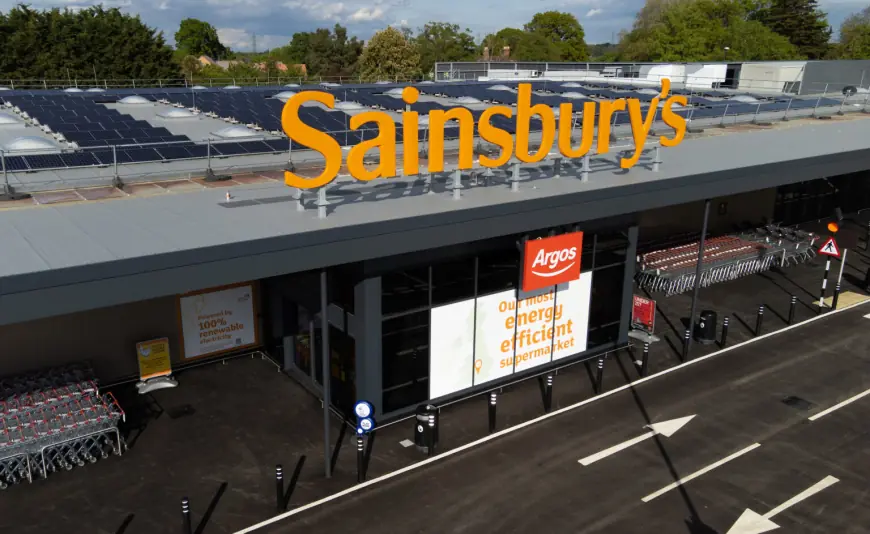
Sainsburys has confirmed that around 300 head‑office roles are at risk as it restructures technology and data functions and reshapes Argos’s delivery network. The move, which begins a consultation period for impacted employees, is intended to separate the supermarket and Argos businesses and sharpen data and operational focus.
Sainsburys technology and data reorganisation
The group will consolidate much of its technology and data activity, moving routine reporting tasks and splitting the unit into one dedicated team for Argos and two separate teams for Sainsbury’s. The majority of the proposed cuts are expected to fall in that division. The retailer employs around 140, 000 staff in total, and the company says the changes affect less than 1% of that workforce.
Argos delivery hubs and same‑day service
Changes to Argos’s local delivery hubs will alter shift patterns so teams work more regular hours and drivers do less overtime, with the intent of increasing standard shift contracts. The overhaul explicitly covers the chain’s same‑day home delivery service and local warehouse teams. The business will create a separate leadership board for Argos, with managing director Graham Biggart named to head it.
Head office operations, consultations and Next Level strategy
Head office operations will also be affected as the group seeks to streamline decision‑making and remove duplication. Employees impacted by the proposals have entered a consultation period. The shake‑up forms part of year three of the Next Level strategy, which the group says is focused on driving efficiency and strengthening commercial performance.
Convenience estate: four new regional store directors
As part of the restructure the retailer will create four new regional store director roles dedicated to its convenience estate: one in the North of England, one in Central England and two in the South. The aim is to give supermarkets and convenience formats clearer leadership lines, speed responses to feedback and sharpen execution; the firm noted that customers use supermarkets and convenience stores differently and structures need to reflect that.
Background, sector pressure and past cost‑saving steps
The move follows a range of earlier cost‑saving actions. The group previously announced plans to cut more than 3, 000 roles and to close 61 in‑store cafés while removing patisserie and hot food counters and cutting about 20% of senior management roles; the date of that earlier announcement is unclear in the provided context. The retailer is targeting £1bn in operating cost savings over three years.
Argos’s recent trading weakness — the supermarket arm lifted sales by 3. 4% in the three months to 3 January while Argos sales fell 1% in the same period — has prolonged market speculation that the business could be offloaded; Argos was the subject of an approach from JD. com in the autumn. The company framed the current proposals as strengthening focus behind both Sainsbury’s and Argos and said maximising data and technology allows teams to concentrate on delivering “great food, brilliant service and fantastic value. ”
Digital consolidation and wider retail context
The retailer has recently integrated its Chop Chop rapid delivery service into its main app; the standalone Chop Chop app, launched in 2016 to offer 60‑minute grocery delivery from around 50 stores, has been decommissioned in favour of a single digital platform. The company says the change simplifies the customer journey as shopping habits shift online.
The announcement sits against a broader industry move to pair digital investment with organisational simplification and tighter cost control. Competitors and peers are also reshaping workforces: one supermarket has moved to cut almost 400 roles in an in‑store bakery restructure, another has set out plans to remove around 180 head‑office roles while creating roughly 250 new positions to support online growth, and a retail technology group is preparing to reduce its workforce by around 1, 000 roles globally. Separately, other firms have trimmed roughly a fifth of their staff. Pressure from discount grocers such as Aldi and Lidl and ailing rivals attempting price turnarounds has been cited as part of the operating backdrop.
The retailer has said jobs among the delivery driver workforce are not at risk. It framed the package as enabling clearer leadership, more focused technology teams and operational changes intended to improve efficiency across both the supermarket and Argos businesses.