






















Scary Movie: Scream 7 Divides Critics as Neve Campbell Anchors Williamson’s Return

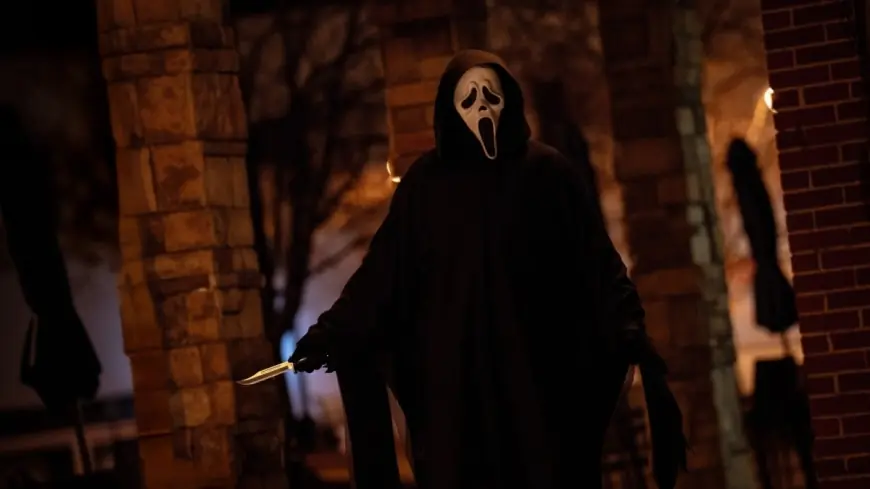
Scream 7 arrives in theaters this weekend with early reactions landing in a split chorus: some critics hail it as a comeback while others call it stale. The new installment, arriving as the franchise’s 30th anniversary approaches, has prompted fresh conversation about what a modern scary movie should be and where this long-running series belongs now.
Kevin Williamson and the Creative Team
Kevin Williamson, who earned his first screenplay credit on the original 1996 Scream and later penned Scream 2 and Scream 4, returns to co-write and direct Scream 7. He shares screenplay duties with James Vanderbilt and Guy Busick, the writers behind the fifth and sixth installments. Williamson’s decision to take the helm is being framed as a deliberate move back to the franchise’s core approach: his influence is visible in the film’s dialogue and the opening sequence that has been described as fiery in trailers.
Neve Campbell and Sidney Prescott
Neve Campbell returns to the center of the story as Sidney Prescott, a shift noted against the franchise’s recent pattern where Sidney was sometimes reduced to a supporting role or absent—specifically in Scream 4 and the film titled Scream, and absent in Scream VI. William Bibbiani of TheWrap described the film as "one heck of an apology to Neve Campbell, " writing that nearly every scene emphasizes how important Sidney Prescott is to this chapter.
The Macher House Opening and New Kills
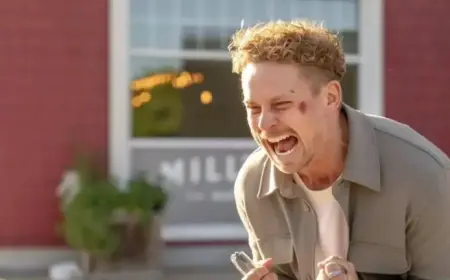
The film opens with a sequence set at Stu Macher’s house, now an "experience destination" filled with Stab memorabilia and crime-scene plaques and outlines marking where killers fell. That opening centers on Scott (Jimmy Tatro), a devoted "Stab head, " and his girlfriend Madison (Michelle Randolph). Madison, described on-screen with a pink hoodie and long blonde hair, is portrayed as a knowledgeable horror fan who subverts the "dumb blonde" expectation yet still dies—an early scene established as a statement against nostalgia. Critics note Williamson’s first kills in Scream 7 are more vicious and graphic than earlier entries, put in the context of violence that followed Scream 3 and the so-called torture-porn trend; that trend is cited as part of why the franchise went fallow for 11 years. The opener also echoes the prolonged assault at the start of Scream 5, which involved Jenna Ortega’s character.
Critics’ Lines: Kristy Puchko, Pete Hammond and Others
Early reviews, published on February 26, 2026, by Christopher Campbell and others, range widely. Kristy Puchko of Mashable called the film "a return to form, " wrote that "the Scream franchise just got fun again, " and suggested Scream 7 "may not be the best of the bunch, but it’s damn close. " Peter Gray of The AU Review found the film "sturdier than expected, " cited the intergenerational mother-daughter dynamic as emotional grounding, and labeled the tone one of the "campier" entries. Pete Hammond said Williamson taking control after 30 years "proves well worth the wait" and predicted fans will approve. Anthony O’Connor in FILMINK called Scream 7 "far more engaging than any seventh film in a horror franchise has any right to be, " terming it a solid entry.
Other reviewers were less enthusiastic. Grant Watson judged it "entertaining" but "not unmissable. " William Bibbiani warned that skipping it won’t cost viewers the best in the franchise, even as he praised the film’s focus on Sidney. Owen Gleiberman said Williamson "has gone back to basics" but concluded the result feels "really just… basic. " Manuel São Bento called it a "disappointing sequel. " Gregory Nussen dismissed it as "nothing but a waste of time" for franchise fans, and Taylor Williams argued the film operates like "an exercise in what those films are ironically lacking: horror filmmaking fundamentals. " Kristy Puchko also noted that the sequel makes "terrific departures" from the franchise’s weaker points.
What makes this notable is that the film’s tonal choices—centering Sidney, ramping up the gore in the opening, and leaning on franchise lore—have produced both praise for restored fun and criticism that the series is chasing relevance rather than innovating. The mix of voices suggests Scream 7 will be judged in the months ahead both on box-office traction and whether fans and critics feel its departures justified the return.
Franchise Context and Immediate Stakes
Reviewers place Scream 7 against a 30-year arc: the franchise moved locations and tone across Scream 2 (college), Scream 3 (Los Angeles), and Scream VI (New York), and its meta-commentary and lore have sometimes pushed it away from Woodsboro. The new film’s opening declaration—don’t get stuck in the past—serves as both a creative rationale and a risk: chase nostalgia and you may repeat past mistakes, but reject it and you may alienate long-standing fans. Either way, the weekend release and the mixed early reviews make the immediate box-office performance and audience reaction a clear measure of whether this chapter achieved what some critics call a comeback or what others see as a limp continuation.