

























Iran’s Crown Prince Plans Return after Years in Exile

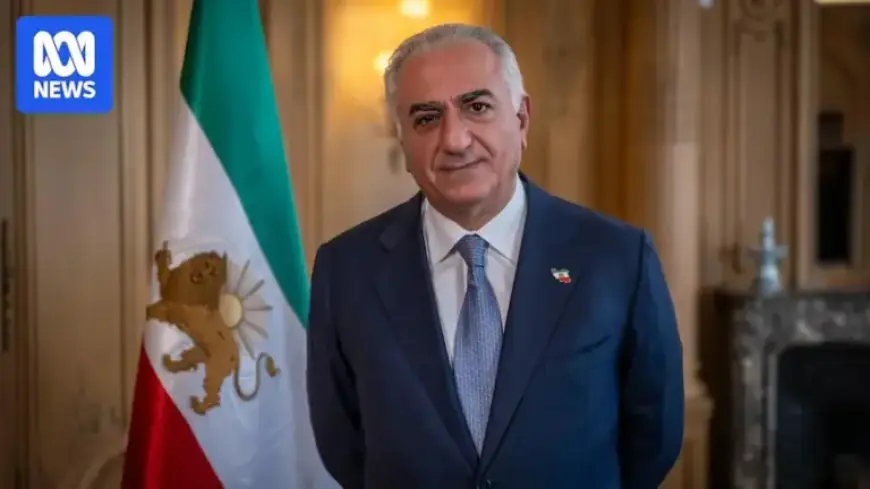
Amid ongoing tensions between the United States and Iran, Reza Pahlavi, the exiled Crown Prince of Iran, is advocating for a return to his homeland after nearly five decades in exile. Pahlavi envisions a role in a future democratic Iran, rallying support amid recent protests against the current regime.
Reza Pahlavi’s Vision for Iran
Pahlavi, who fled Iran during the Islamic Revolution in 1979, has positioned himself as a potential leader for a democratic transition in his home country. He believes that action from the U.S. could pave the way for meaningful change. Recently, he articulated that a military strike on Iran’s nuclear facilities could weaken the current regime and assist the Iranian populace in their struggle.
Recent Developments in Iran
In recent months, widespread protests have erupted in Iran, fueled by discontent over economic mismanagement and corruption. During these demonstrations, chants of “Javid Shah!” or “Long Live the Shah!” have echoed across university campuses. Many Iranians are showing open support for Pahlavi as a representation of their desire for change.
Pahlavi’s Calls for U.S. Support
- Pahlavi has urged the U.S. not to negotiate with Iran’s clerical leadership.
- Meetings have been held with U.S. officials, including special envoy Steve Witkoff, to share this message.
- He asserts that removing the regime could eliminate various threats, including nuclear concerns and regional instability.
Path to a Democratic Transition
Pahlavi has proposed a structured plan for Iran’s transition to democracy, which entails initial stabilization and economic recovery in the aftermath of the regime’s collapse. He advocates for a national referendum to determine Iran’s future political system. This plan emphasizes the importance of maximum defections from the current regime to prevent chaos.
Challenges and Criticisms
Despite his support, Pahlavi faces scrutiny regarding his capability to lead effectively, given his lengthy absence from Iran. Critics question whether his vision provides adequate representation for the diverse factions within the Iranian opposition.
Seeking Defectors from the Regime
Pahlavi has called on members of Iran’s military and civil service to defect and join the movement for change. He suggests that many within these ranks are disenchanted with the regime and are seeking a means to escape its oppression.
Future Aspirations
The exiled prince remains resolute about his role. He emphasizes that his legitimacy comes from the calls of the Iranian people rather than mere dynastic heritage. Pahlavi’s ultimate goal is to support the establishment of a government reflecting the desires of the Iranian populace.
Conclusion
As pressures mount on Iran’s regime, Reza Pahlavi continues to advocate for a democratic transition. With support from the diaspora and a clear call for international intervention, he positions himself as a significant figure in the pursuit of change for Iran.