























Timberwolves Vs Clippers: Sparse crowd and brittle execution shift the emotional cost of a 94-88 game

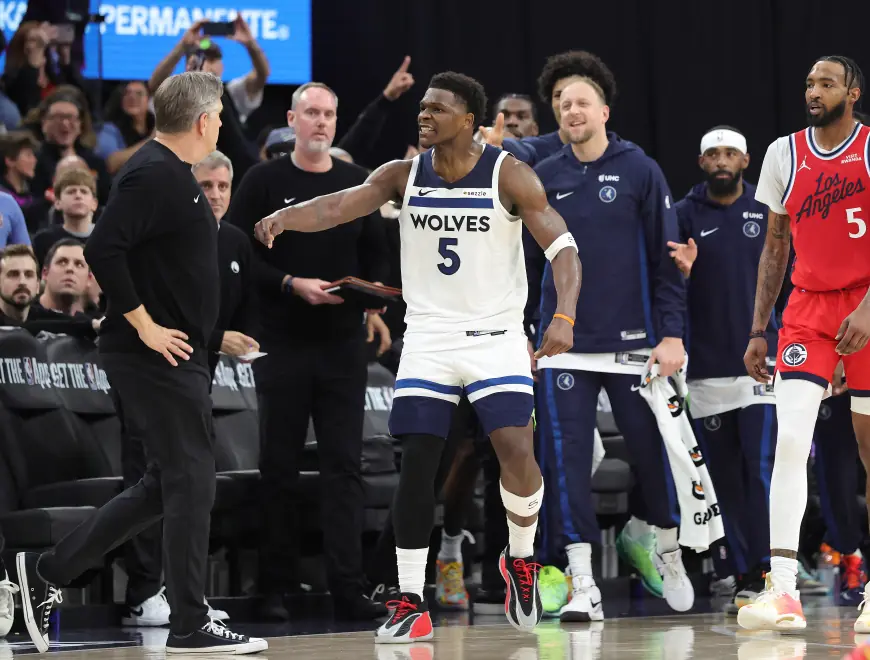
The night’s feel was more consequence than celebration — and that’s the immediate impact for fans, rotation players and the coaching staff after the timberwolves vs clippers matchup. Anthony Edwards put on a show for a large Los Angeles fan base, but Minnesota’s porous defense, sloppy spacing and late-game friction left a brittle win that landed with small crowds and obvious questions about availability and discipline.
Who felt the impact first: fans, players and the coaching circle
Los Angeles had sparse home attendance, and those fans saw a game described as “straight out of the 1990s. ” For Timberwolves supporters it was the “worst enemy” type of game — a low-reward, high-risk slog where the final score (94-88) didn’t mask how much went wrong. Bench players and role starters were visibly affected by turnovers in ball movement and defensive breakdowns; the coaching staff had to manage both execution problems and temper flare-ups on the floor.
Game details and the strange line of the night
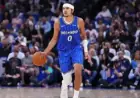
The final scoreboard read Timberwolves 94, Clippers 88. Anthony Edwards and Donte DiVincenzo were the only players to reach double-digits in scoring for Minnesota; the game’s aesthetic was an intentional throwback — limited perimeter rhythm and heavy interior scoring attempts at times.
- Clippers shot mechanics: just one three-point attempt in the opening quarter and one made three-pointer out of 12 attempts by halftime.
- Opening-quarter oddity: Minnesota shot 61. 1% in the first quarter but still allowed the Clippers to score 23 of 27 first-quarter points at the basket or the free-throw line.
- Free throws: Minnesota lost the free-throw battle by 11 points in the third quarter.
Availability, ankle trouble and missing pieces that altered the night
Los Angeles was without John Collins, sidelined with a concussion; Collins had been the Clippers’ second-leading scorer in the prior meeting. In that previous matchup, the Clippers had thrashed the Wolves by 19 at Target Center, with Kawhi Leonard posting a 41-point night. That context made tonight’s defensive achievement — Minnesota holding Leonard to zero points — feel notable. Leonard recorded a donut in the box score despite logging minutes and is described as nursing a sore ankle even after 72+ hours of rest, leaving lingering questions about load management and the guardrails around his availability.
Temper, turnovers and the coach-player dynamic
Early signs were promising: a pair of DiVincenzo threes and a Jaden McDaniels dunk, and Edwards started hot for his large Los Angeles following. But Minnesota’s defense presented persistent issues. A heated altercation between McDaniels and Kris Dunn did not spark a comeback; instead it resulted in a flagrant foul after McDaniels discarded Kris Dunn — a moment that reinforced the team’s emotional volatility. After the game, when asked about balancing forceful play with discipline, coach Chris Finch offered a memorable response that pointed to the challenge of temper control without diminishing aggression.
Offensively, Minnesota fell into one- or no-pass possessions repeatedly, giving the game a stale feel — at times it seemed as if every player took a shot while “My Hero” by Foo Fighters played in the back of the mind. Even veteran Mike Conley was dusted off and immediately airballed a three-pointer. The Clippers inched ahead by as many as six points at times, a margin that felt much larger given the Wolves’ inefficiencies.
- Key implications: the win disguises how fragile Minnesota’s defensive identity can be when spacing and passing dry up.
- Who is affected: bench players, role scorers and coaching rotations will feel pressure to fix spacing and discipline quickly.
- Signals to watch: changes in rotation minutes, any update on Leonard’s ankle or Collins’ concussion status, and whether Minnesota reduces one-pass possessions.
Here’s the part that matters: the scoreboard favored Minnesota, but multiple structural problems remained unaddressed. The real question now is how the Wolves reconcile the win with the mistakes that nearly surrendered control several times.
Timeline rewind in brief: two days earlier Minnesota scraped a “moral loss” win against an injury-ravaged Portland team; the Clippers had three days off after their 19-point win in the prior meeting where Kawhi had a 41-point night. Tonight, by contrast, Kawhi was held scoreless.
Everything was setting up for a disappointing final quarter — unclear in the provided context. It’s easy to overlook, but the halftime numbers masked how thin Minnesota’s margin for error really was.
Writer’s aside: the game felt like an odd archival piece and a live problem set at the same time — entertaining in flashes, worrisome in structure.