





















Timberwolves Vs Clippers: Who Feels the Immediate Fallout After a 94-88, 1990s-Style Slog and Anthony Edwards' Confrontation with Coach Finch

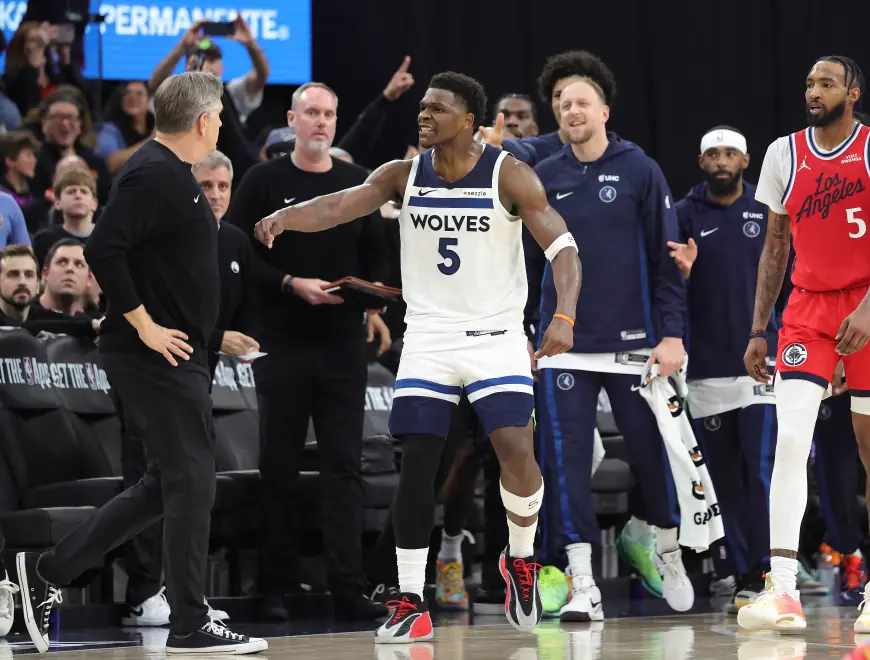
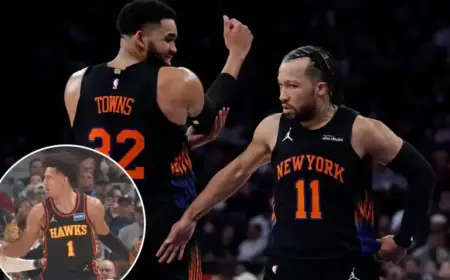
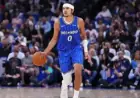
The Timberwolves Vs Clippers game mattered less for spectacle and more for short-term consequences: a 94-88 result that left fans, coaches and key players parsing energy, discipline and availability. Anthony Edwards' visible confrontation with coach Chris Finch after a late dagger crystallized tensions, while a string of defensive lapses and odd rotation decisions created immediate headaches for both locker rooms.
Impact on people in the building and the first ripple effects
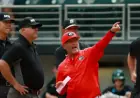
Here's the part that matters: sparse home fans watched a game that felt "straight out of the 1990s, " and those in the arena saw players and staff absorb more than a final score. Minnesota supporters endured a low-reward, high-risk performance; La Clippers personnel faced roster questions after two absences; and Chris Finch was left publicly engaged in a heated post-play exchange with Anthony Edwards. Why Edwards yelled at coach Chris Finch after late dagger is noted in the coverage, but the specific reasons are unclear in the provided context.
Timberwolves Vs Clippers: the headline anomalies — score, absences and a zero night
Final score: Timberwolves 94, Clippers 88 (Feb 26, 2026). Notable anomalies: Kawhi Leonard, who had dominated a recent meeting with 41 points in a 19-point win at Target Center, logged a donut in the box score tonight, including minutes played, while nursing a sore ankle despite 72+ hours of rest. Los Angeles was also missing John Collins (concussion), who had been the team's second-leading scorer in the previous meeting.
How the game unfolded without reading like a play-by-play
Minnesota opened hot from the field (61. 1% in the first quarter) but repeatedly failed to translate possessions into distance on the scoreboard because the Wolves allowed 23 of 27 first-quarter points at the basket or foul line. Los Angeles attempted only one three in that opening stanza and finished the half with just one made three out of 12 attempts, yet trailed by only six at intermission. Offensive execution problems — spacing issues and cold perimeter shooting — capped Minnesota's upside, leaving only Anthony Edwards and Donte DiVincenzo as double-digit scorers for the entire contest.
Tensions surfaced midgame: a fracas between Jaden McDaniels and Kris Dunn resulted in a flagrant foul after McDaniels discarded Dunn, a sequence the writeup calls expected from Jaden losing his cool. After that, Minnesota reverted to a flurry of one- or no-pass possessions; veteran Mike Conley was dusted off and immediately airballed a three-pointer. The Clippers inched ahead by as many as six points during stretches that felt larger, and Minnesota lost the third-quarter free-throw battle by 11 — all setting up a disappointing final quarter.
Micro timeline of related moments (compressed)
- Two days earlier: Minnesota barely eked out a "moral loss" win against an injury-ravaged Portland Trail Blazers.
- Recent prior meeting: Los Angeles had thrashed Minnesota by 19 at Target Center, with Kawhi Leonard scoring 41.
- Feb 26, 2026: Timberwolves beat Clippers 94-88; Kawhi Leonard registered zero in the box score tonight while nursing a sore ankle; John Collins was absent with a concussion.
- After the late dagger: Anthony Edwards yelled at coach Chris Finch; the circumstances behind the outburst are unclear in the provided context.
That sequence compresses the immediate chronology and highlights why energy and availability were recurring subplots tonight.
Signals, reactions and what those in and around the teams will be watching
Coaching responses mattered more than a halftime talk: if you thought Chris Finch delivered a rousing halftime speech that woke his team up, you would have been mistaken. Postgame, Finch was asked about managing emotional players balancing force without losing composure; the response was described as a memorable line. Expect attention to rotations, discipline after the McDaniels–Dunn incident, and clarity about Leonard's availability going forward — questions even prompted speculation about load management and whether higher-level league policies might be in play.
What's easy to miss is that the game was less about an isolated loss and more about a pattern: poor defensive execution, limited ball movement, and two recent stretches of uneven energy for Minnesota. That combination produced a win but left key questions unresolved.
Writer's aside: The bigger signal here is how quickly a single rough stretch — a flagrant, an airball, a missed free-throw battle — can convert a controlled game into one that looks like it was pulled from a bygone era of basketball. The real test will be whether these teams address the mental and availability issues before they compound.