

























Makeup Requests Spread from TikTok to New Jersey Classrooms as Brands Eye Younger Buyers

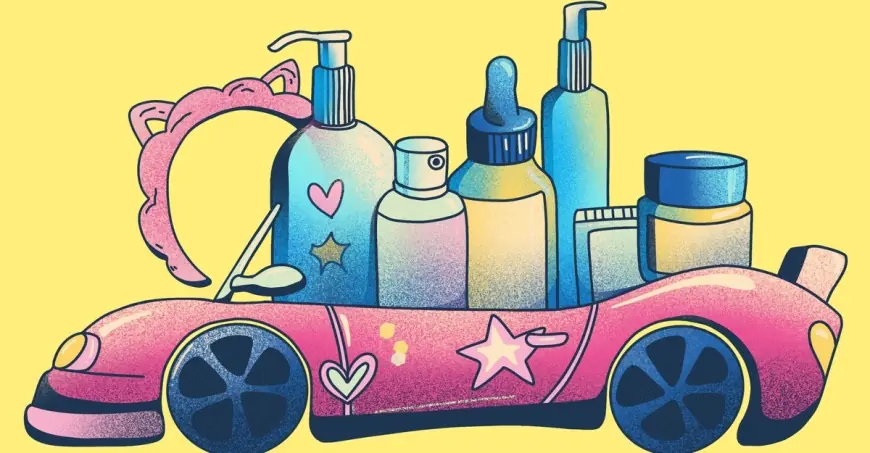
Children in New Jersey are increasingly asking for Makeup and child-targeted skin-care products, prompting parents, pediatricians and teachers to confront new questions about boundaries and product safety. The shift matters because social-media-driven trends and targeted marketing are producing measurable demand among elementary-school–age children and prompting corporate responses.
Makeup Requests in New Jersey Classrooms
From Newark to Bergen County, parents describe elementary-school children — in some cases as young as six — requesting mascara, lip gloss and full “makeup kits” after watching beauty tutorials online. One North Jersey mother said her first grader explicitly asked for a kit after seeing peers and influencers demonstrate routines; elsewhere a seven-year-old reportedly cried after comparing herself to online content and saying she did not feel "pretty enough. " Pediatricians and child psychologists in the state are increasingly fielding questions about when and whether to allow cosmetic play: some families permit occasional light lip gloss for special occasions, while others draw firmer lines around screen time and cosmetics.
Experts consulted by parents warn that an early emphasis on appearance can shape self-worth during formative years. Children at six are beginning to form identity markers; when appearance becomes a primary value, clinicians caution it can increase anxiety and lower self-esteem. Dermatologists have also cautioned that certain adult formulas are not formulated for young skin and can cause irritation.
Rini, Shay Mitchell and the Toddler Skincare Market
Celebrity-backed and start-up brands have moved quickly to serve a younger market. Actor Shay Mitchell co-founded a child-skin-care company that launched an Everyday Facial Sheet Mask designed for toddlers; after public backlash the company raised the product’s minimum age from 3 to 4. Other companies have marketed children’s lines with playful packaging and accessories: a brand run by a teenager sells a Sleepover Set, another depicts child-size headbands and lip oil in social posts, and one tween brand explicitly encourages customers to "start young" at roughly 8 years old.
Retailers and major cosmetic companies have introduced colorful, youth-oriented product lines that resemble playsets but function as real cosmetics. Industry reporting shows steady growth in youth-driven sales, in part propelled by social platforms where children and pre-teens post multi-step skincare and “get ready” videos. What makes this notable is the convergence of commercial strategy and peer-driven social content: marketers are packaging real cosmetic functionality into items that mimic toys, which shortens the path from curiosity to purchase for children.
Classroom Culture, Home Routines and Visible Effects
Teachers and parents describe visible changes in daily rituals. An elementary-school teacher in Ohio said most of her female fifth- and sixth-grade students keep a mini-fridge at home specifically for skin-care products; a nine-year-old in that community told her mother she expected to one day have her own skin-care fridge. In New Jersey, parents describe conversations about contouring, mascara and multi-step routines that once were confined to teen influencers. The effect on households is practical: families weigh allowing occasional cosmetic play against concerns about exposure to filtered images and the emotional consequences of comparison.
Some clinicians emphasize that play makeup in isolation is not inherently harmful, but they stress context and motivation. Child psychologists argue the critical issue is whether makeup use stems from creative play or from pressure to meet curated beauty standards. The timing matters because these attitudes form early and can persist through adolescence.
Brands have already adjusted tactics in response to backlash and attention: at least one company shifted a minimum-age policy upward after criticism, and several have rolled out products framed as child-friendly while blurring lines between toys and functioning cosmetics. The broader implication is a marketplace reshaped by young consumers whose exposure to influencers and curated content is changing what families must regulate and discuss at earlier ages than previous generations did.