















Pokemon Day: Fans Reflect as Pocket Monsters Marks 30 Years

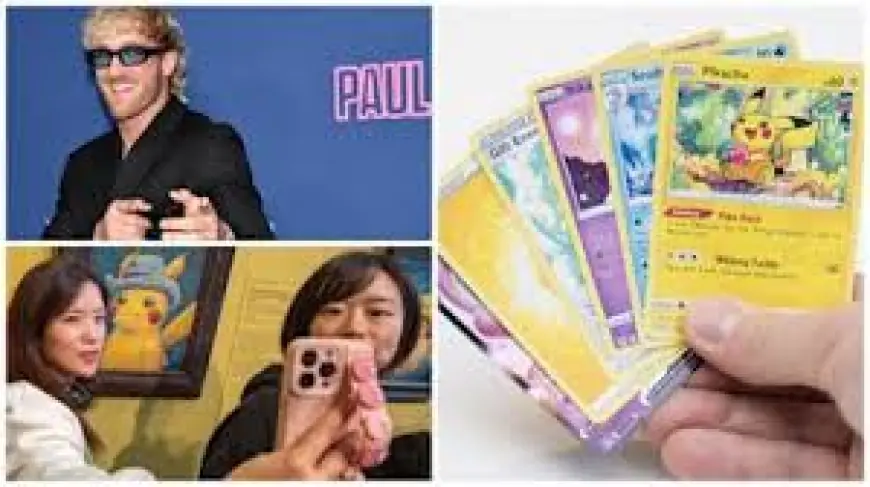
Pokemon Day arrives this week as the franchise marks 30 years since Pocket Monsters first launched in Japan. The milestone matters because a succession of formats—from Game Boy cartridges to a trading card craze and the mobile hit Pokémon Go—have sustained its reach across generations.
Pokemon Day fans on what the series means
Fans polled around the anniversary point to the franchise's flexibility and emotional resonance. Newsbeat has been asking some of them why they love the series, why it appeals to so many people, and why it continues to prove so popular. Their answers range from nostalgia for childhood battles to enthusiasm for the many ways the brand can be experienced today.
Pocket Monsters launch and Nintendo Game Boy sales in 1996
The franchise began in 1996 when the first games were released on Nintendo's Game Boy handheld. They were not expected to be a massive commercial success, but strong word-of-mouth and the console's low price led to sales of more than one million copies in the first year on sale. That early adoption set a commercial foundation that allowed the property to expand into other media.
Trading Card Game, animated series and the rise of "Pokémania"
An animated TV series and a spin-off Trading Card Game helped transform the games into a broader pop-culture phenomenon. The combination of television, movies and the TCG fuelled what the press named "Pokémania, " a craze so intense that schools began to ban children from bringing the cards to the playground. Those downstream effects exemplify a simple cause-and-effect: broad media exposure and an accessible physical product led to mass participation among young audiences.
Pokémon Go in 2016 and more than a billion downloads
In 2016 the brand sparked a second global trend with the launch of Pokémon Go, a mobile game that used a device's GPS and camera to place monsters in the real world. That combination of location technology and augmented reality transformed how many people interacted with Pokémon and has resulted in the app being downloaded more than a billion times. The mobile game's mechanics created new public behaviors around the franchise and renewed mainstream attention.
Covid-19 pandemic impact and the Trading Card Game surge
When the Covid-19 pandemic hit, there was an explosion in Pokémon-related content. The Trading Card Game in particular saw a big increase in interest during that period, reflecting how shifts in daily life and media consumption can quickly amplify demand for collectible entertainment. That surge illustrates how external events can intensify engagement with an existing cultural property.
Streamer Josh Rosenberg (Jrose11) on accessibility and variety
Streamer Josh Rosenberg, better known as Jrose11, has grown up with the series and points to accessibility as a central reason for its longevity. He says the franchise is "unique in that there's not just one way to play it, " noting the presence of thousands of creatures that are memorable and well-designed. What makes this notable is that the design and multiple play modes allow players to approach Pokémon as collectors, competitors, casual explorers or spectators—a versatility that keeps the brand relevant across ages.
As Pokemon Day is observed this week—symbolically swapping trading cards for birthday cards to mark the anniversary—the franchise's three-decade arc shows a pattern of adaptation: initial success on an inexpensive handheld, amplification through television and physical cards, a mobile-driven resurgence in 2016 and renewed appetite during the Covid-19 era. Those sequential developments explain how a concept that began as Pocket Monsters evolved into a reportedly highest-grossing media franchise in history and continues to find new audiences around the world.