






















Royce O'neale link resurfaces after hilarious Neemias Queta clip rekindles a Mazzulla no-free-looks memory

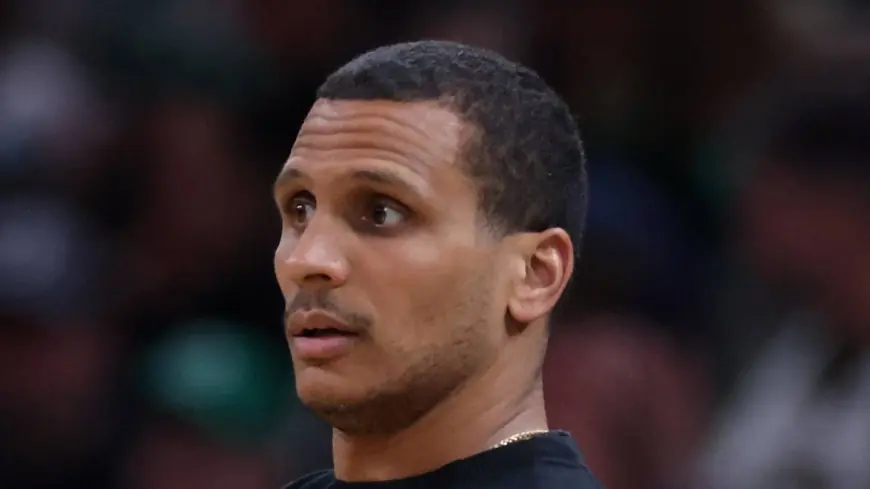
The viral post-whistle block by Boston’s Neemias Queta reopened a small but persistent conversation about coaching culture and in-game gamesmanship, reminding many of a Joe Mazzulla closeout on royce o'neale in 2024. This matters because the exchange points to a repeated expectation from the team's sideline — a habit that shapes how fans read otherwise incidental plays and how the bench signals competitive standards.
Why Royce O'Neale came to mind for so many fans
Fans called up the earlier moment where Mazzulla closed out on a post-whistle three-point attempt from Royce O'Neale, treating both plays as part of the same unwritten code. The origin of the team's no-free-looks approach traces back to Mazzulla's first season as head coach, and he later framed the tactic as a form of gamesmanship: seeking any small advantage and denying opponents an easy rhythm. What's easy to miss is that the reaction from the crowd and online isn't just about the physical play — it's about an established expectation that stretches beyond a single game.
The Queta clip: the on-court detail that went viral
Here's the part that matters: during a Celtics win over the Lakers, Queta produced a play that didn't change the scoreboard but immediately captured attention. He finished the night with a 10-point, 12-rebound double-double and a loud dunk over Luka Doncic, but the moment that spread online was a swat of an Austin Reaves layup attempt that occurred after a timeout. The defensive swipe came as the ball was live only technically — the play didn't count — and the broadcast feed cut to a commercial while the action unfolded.
The clip gained big traction online, racking up more than 180, 000 views and prompting comparisons to the earlier Mazzulla-closeout episode. Observers focused less on the stat line and more on the pattern: a contest of perceived advantage and the willingness to contest shots even when the play had effectively ended.
- Queta's statistical line that night included a 10-point, 12-rebound double-double and a highlight dunk over Luka Doncic.
- The play that went viral was a non-counting, post-whistle swat of an Austin Reaves layup during a timeout sequence.
- The clip exceeded 180, 000 views online and rekindled memories of Mazzulla's 2024 closeout on Royce O'Neale.
There is a short time layer worth noting: the Mazzulla closeout on O'Neale took place in 2024, and Mazzulla addressed the approach publicly in April of that year, describing the tactic as competitive gamesmanship aimed at preventing opponents from finding easy looks.
Fans and commentators seized on the symmetry between the two moments, interpreting them as examples of a broader coaching posture rather than isolated on-court impulses. The real question now is whether moments like this will be remembered as entertaining blips or as reinforcing a deliberate sideline message.
• Teams and role players feel this first: contesting a shot after the whistle is less about the box score and more about disrupting rhythm and sending a message to opponents and teammates. • Coaches are the signalers: a sideline habit becomes a cultural expectation when repeated and explained by leadership. • Online attention can reframe a play: viral views amplify narratives that otherwise would stay local. • A confirming signal would be repetition — if similar closeouts or post-whistle contests appear again, the pattern shifts from anecdote to ingrained practice.
It’s easy to overlook, but these micro-moments do two things at once: they entertain and they clarify what the coaching staff expects from the roster. Whether you see them as clever gamesmanship or unnecessary theatrics depends largely on how often they occur and how leadership frames them going forward.