




















Observers Raise Alarm Over Family Voting and Secret Ballot Breaches in Gorton and Denton Byelection

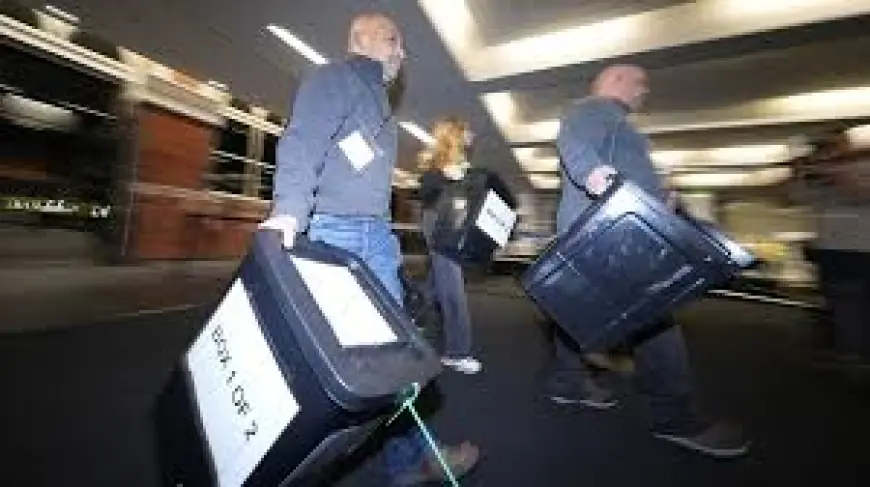
An election observer group recorded what it describes as unusually high levels of family voting at the Gorton and Denton byelection, flagging 32 apparent cases of collusion and urging scrutiny of whether secret ballot rules were breached. The findings matter because they suggest systematic interference with ballot secrecy and have prompted political figures to call for an examination of the reports.
Family Voting: scope of the observers' findings
Democracy Volunteers said its observing team attended 22 of the 45 polling stations in the constituency while polls were open and observed a sample of 545 voters casting votes. The team recorded 32 cases in which people appeared to collude on voting in breach of secret ballot rules, a practice referred to in their materials as family voting. Fifteen of the 22 polling stations observed showed instances of family voting; one polling station produced nine separate cases. The organisation calculated that 12% of the voters in its observed sample were either directed or affected by family voting.
How the observation was conducted
The organisation deployed four accredited election observers across the constituency. The four worked in pairs and spent between 30 and 45 minutes in each polling station they attended. The observers were looking specifically for people appearing to collude on votes in breach of secret ballot rules and also monitored the impact of the requirement for voters to show identification before being issued with a ballot paper.
Legal context and polling-station practices
The observers noted that the Ballot Secrecy Act enacted in 2023 makes family voting more clearly a breach of the secret ballot. Despite that, signage discouraging supervised or directed voting was visible in only 45% of the polling stations the team attended.
Official response and local authority position
Manchester city council said its staff had been trained to look for evidence of voter interference and that no concerns had been reported or raised with them while polls were open.
Political reactions and calls for review
Labour described the observers' reports as extremely worrying and concerning. The Labour party chair said it was necessary to see the evidence and the observers' report before deciding what authorities should examine. The Green party leader said he would back an investigation and would support full transparency about the democratic process if an inquiry or further steps were recommended. The Reform UK chair called electoral fraud a stain on democracy and said he would support reporting incidents and ensuring any follow-up is conducted in the spirit and fairness of the law.
Comparisons with a recent Westminster byelection and other polling irregularities
The observers contrasted their data with another recent Westminster parliamentary byelection in Runcorn and Helsby, where family voting was recorded in 12% of polling stations and was said to have affected 1% of voters. By comparison, the observers recorded family voting in 68% of polling stations in Gorton and Denton, affecting 12% of those voters observed. The observing team also noted instances of voters being turned away; in every case those turnaways were attributed to ineligibility to vote in Westminster elections, for example where EU citizenship made a person eligible only in local elections. Additional concerns recorded by observers included voters taking photographs of their ballot papers and one person being authorised to vote despite them already; the final detail in that account is unclear in the provided context.
What happens next
The observers produced an immediate night-of-election data release because they judged the levels of family voting unusually high for their ten years of election observation. The organisation's director described the levels recorded in Gorton and Denton as the highest in its decade of observing elections. Political parties and leaders have expressed support for examining the observers' evidence and report to determine whether formal investigations or procedural changes are warranted. Further steps will depend on the evidence presented and the decisions of relevant authorities and party officials.