






















Matt Goodwin spared sanction — immediate impact for Gorton and Denton voters, rivals and the printer

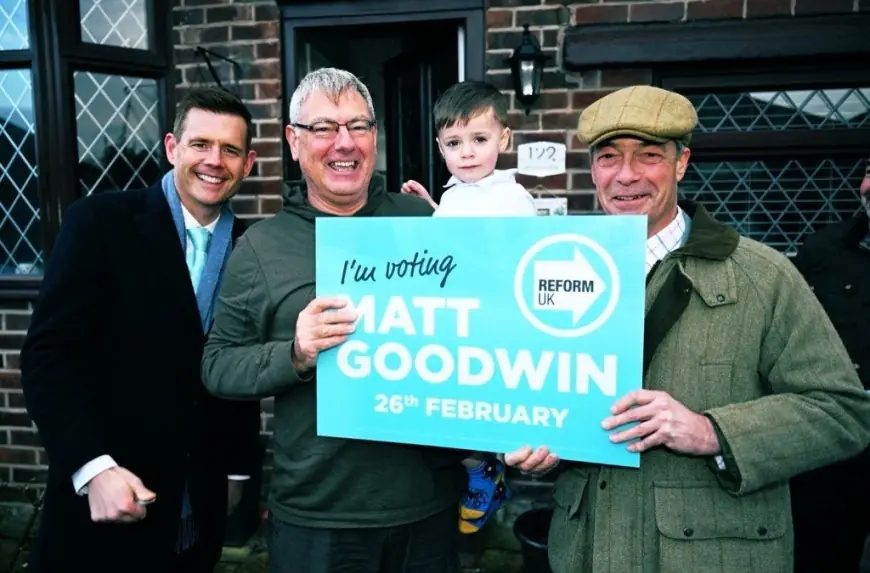
The judge's decision not to sanction matt goodwin shifts the first consequences away from fines and toward questions for voters, rival campaigns and the printer that produced the leaflets. Here’s the part that matters: the relief granted focuses immediate attention on production controls and local trust rather than a punitive outcome. matt goodwin’s campaign, the named election agent and the printing firm now face scrutiny over process and transparency.
Who feels the impact first: voters, rival campaigns and the printer
Voters in Gorton and Denton saw roughly 81, 000 leaflets distributed that lacked a statutory imprint; that scale means the practical effect landed on the local electorate before any legal remedy. Rival candidates must decide how to respond to a breach judged inadvertent rather than deliberate; the printer that produced and distributed the material faces reputational and contractual consequences after acknowledging responsibility and apologising for the production error.
What happened to Matt Goodwin’s leaflets
Lawyers for Matt Goodwin and his election agent, Adam Rawlinson, accepted at a High Court hearing that some leaflets did not carry the required statutory imprint. The missing imprint appeared on a leaflet that contained an open letter by a pensioner, identified in court material as Patricia Clegg, 74, who had switched support from Labour to the candidate’s party. The material was presented as coming from a "concerned neighbour" and did not state it had been funded and distributed by the party.
Judge's finding, relief and legal pathway
Mr Justice Butcher ruled that Goodwin and Rawlinson should not be sanctioned, saying the omission arose from inadvertence or a similar reasonable cause and did not reflect a want of good faith. The judge accepted that the error was introduced during production when the printer changed the font, which led to the statutory imprint being truncated off the bottom of the leaflet. Relief was granted under section 167, and that decision was made on Wednesday, on the eve of the Thursday Gorton and Denton by-election.
Production chain, admissions and scale
The printer named in court material is Hardings Print Solutions, described as having printed and distributed the leaflets. Draft proofs that passed between Goodwin’s team and the printer included the imprint and were checked multiple times; the account put to the court was that Hardings applied a different, larger font at the last minute, which caused the imprint to drop off. Hardings publicly admitted full responsibility for the production error and apologised. The leaflet had been sent to about 81, 000 people before the issue was raised.
Legal context and penalties tied to missing imprints
Under the Representation of the People Act 1983, election material must include the name and address of those promoted by the document, the promoter and the printer; failure to do so is classified as an illegal practice. That illegal practice can carry a fine of up to £5, 000. Additional written material in the case set out that failure can also attract a possible three-year disqualification from elective office. The judge noted the law allows relief where the illegality arises from inadvertence or an accidental miscalculation and does not involve bad faith.
Wider questions flagged by the case
Beyond this single dispute, material presented in coverage shows the issue is not isolated: the same printing style — a faux-handwritten presentation of a local pensioner’s letter — has been used in other places, and there has been at least one earlier police inquiry into a different candidate after leaflets lacking imprints. One regional police force investigated a candidate in Wirral West in 2024 after leaflets without the required imprint were sent. It also appears that matt goodwin had not included a digital imprint on some campaign videos online, although an imprint was present on his Facebook profile; the campaign was contacted for comment but no response had been provided by publication.
Here’s the part that matters for confirmation: the Crown Prosecution Service and the acting returning officer were made aware of the missing imprint, and lawyers for the acting returning officer attended the hearing but made no representations.
- Proofs sent to the printer included the imprint and were checked multiple times.
- Printer applied a different font at the last minute, truncating the imprint.
- Leaflet with missing imprint was distributed to about 81, 000 voters.
- Hardings publicly accepted responsibility and apologised for the production error.
It’s easy to overlook, but the ruling steers consequences toward corrective steps rather than punitive sanctions; that will influence how campaigns and printers document checks in future. The real question now is whether the focus on process will prompt changes in proofing and digital imprint practice in the run-up to other contests.
Writer's aside: The tension between multiple internal checks and a single production-stage change is common in campaign logistics; resolving responsibility publicly can limit legal exposure but does not erase the immediate political and reputational effects.