


















Paramount Clinches Warner Bros Bid After Netflix Walks Away

Netflix has stepped back from its proposal to buy Warner Bros. Discovery, a move that clears the way for paramount rival Paramount Skydance after Warner Bros. ' board declared the Paramount offer superior. The decision matters now because it hands control of a major studio and its media networks to the highest bidder while prompting swift scrutiny from regulators and a sharp stock market reaction.
Paramount Skydance's higher bid
Warner Bros. ' board determined that Paramount Skydance's latest offer was a "superior proposal, " and Paramount had increased its purchase price by $1 per share days before the decision. Paramount's revised package expanded beyond the studio and streaming businesses to include all of Warner Bros. Discovery, incorporating the company’s struggling cable operations as part of the bid. That shift from an earlier, narrower proposal to an all-in approach changed the economics on the table and was central to Warner Bros. ' board declaration.
Netflix stock reaction
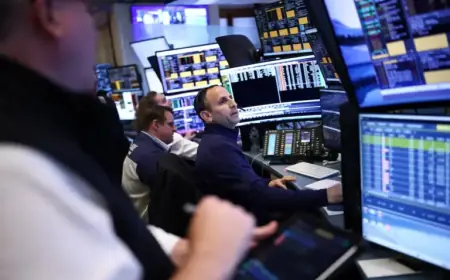
Wall Street responded immediately: Netflix shares rose nearly 10% in after-hours trading to more than $92 after the company announced it would not match Paramount Skydance's offer. The shares had closed at $84. 59 before the after-hours spike. Netflix’s stock performance earlier had been weak; shares had fallen sharply since the company first disclosed its pursuit of Warner Bros.
Netflix co-CEOs' explanation
Netflix executives said the company declined to increase its bid because, at the required price, "the deal is no longer financially attractive. " Ted Sarandos and Greg Peters, Netflix's co-chief executives, framed the transaction as one that "would have created shareholder value with a clear path to regulatory approval, " but stressed that the opportunity was "always a 'nice to have' at the right price, not a 'must have' at any price. " In December, Netflix had secured a deal to buy Warner Bros. Discovery’s studio and streaming businesses at $27. 75 per share, but it chose not to match a higher all-in offer from Paramount.
Ted Sarandos' White House visit and timing
The announcement that Netflix would walk away came just hours after Ted Sarandos visited the White House. That timing amplifies scrutiny, as the expected transaction now moves from a months-long bidding contest into a period of regulatory review that may involve multiple agencies and intense public attention.
California Attorney General Rob Bonta and regulatory hurdles
California Attorney General Rob Bonta immediately cautioned that the potential merger was "not a done deal, " noting the California Department of Justice has an open investigation and that his office intends to be vigorous in its review. Bonta had previously said his office would examine any deal involving Warner Bros because the entertainment industry constitutes a "critical sector" for the state's economy. Paramount would also require approval from the U. S. Department of Justice and from European regulators before any takeover could be completed.
Warner Bros assets and concerns
The winner of the bidding war would gain control of a major library of assets, including rights to the DC Comics catalogue, the "Harry Potter" film and television rights, and HBO. Observers have flagged potential implications for news operations: one prominent political figure has publicly argued the news network should be sold as part of any Warner Bros deal and described the people running the network as "corrupt or incompetent. " In response to unfolding developments, chief Mark Thompson sent an internal email urging staff not to "jump to conclusions about the future until we know more. "
What makes this notable is how a single pricing decision changed the strategic calculus for two of Hollywood’s biggest players: Netflix concluded the financial and operational costs of matching Paramount’s broadened, $1-per-share boost were unacceptable, and Paramount’s willingness to increase its bid forced a market reassessment of the transaction’s value and risk. The coming weeks will test whether regulatory authorities in California, Washington and Europe allow a takeover that could reshape distribution, streaming and news ownership in the industry.