























Paramount Stock Climbs as Paramount’s Superior Offer Forces Big Changes at Warner

Markets have already started to price in a potential media shake-up: Paramount Stock is rising as investors react to Paramount’s bid being declared superior by Warner’s board. That movement matters because it signals immediate financial and strategic consequences — heavier debt for the buyer, faster regulatory scrutiny, and looming consolidation that would touch news networks, streaming services and legacy film libraries first.
Paramount Stock movement signals louder consequences — short- and mid-term
Here’s the part that matters: the uptick in Paramount Stock is more than a knee-jerk reaction to a takeover headline. It reflects shifting expectations about control of studios, pay-TV networks and streaming economics. With the buyer agreeing to large termination and ticking fees and taking on billions in debt, investors are balancing potential scale benefits against regulatory and execution risks.
- Deal structure: Paramount increased its proposed purchase price to $31 per share and added a $7 billion regulatory termination fee.
- Financial pressure: Paramount is accepting significant debt to finance the offer; that trade-off affects future investment in content and distribution.
- Regulatory risk: the U. S. Department of Justice has opened reviews and other countries are expected to examine the proposed merger.
- Industry impact: consolidation would pair major studio libraries and networks under a single owner, altering competitive dynamics for streaming and broadcast.
What’s easy to miss is that the presence of a large regulatory termination fee is both defensive and signaling — it shows the buyer anticipates legal friction and is prepared to compensate for it, which can influence how investors price the deal into Paramount Stock.
Event details and what was announced (embedded, not a timeline)
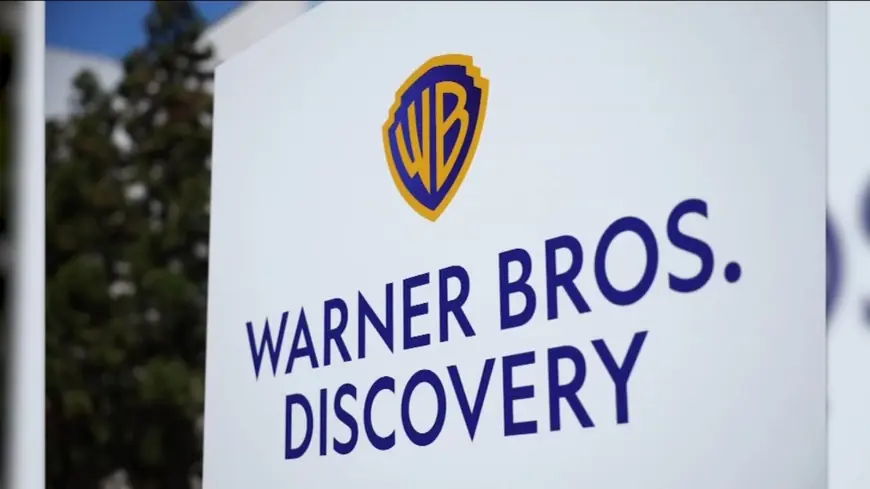
In recent developments, Warner’s board declared Paramount’s revised offer a "company superior proposal. " Netflix declined to raise its offer, saying the new price required would make a purchase financially unattractive. Paramount’s bid covers all of Warner’s operations, including networks like and Discovery, meaning those assets would sit alongside Paramount’s existing broadcast and cable channels such as CBS, MTV and Nickelodeon and its streaming service.
The bidder also changed terms tied to the transaction timetable: the buyer moved up a previously promised ticking fee so that it becomes payable if the deal isn’t completed by the end of September, rather than only after the end of the year. During the recent months-long contest between the parties, Warner’s existing assets and franchises were central to both offers; one of the bidders had been supported by the owner of several key streaming and studio brands.
Lawmakers and industry trade groups have voiced concerns about further concentration of power, warning about potential job impacts, reductions in diversity of filmmaking, and higher subscription costs for consumers. Meanwhile, the U. S. Department of Justice has begun reviews that will factor heavily into whether regulators will approve the combination.
Micro timeline (concise):
- Months: a public, competitive exchange of proposals among bidders.
- Thursday: Warner’s board labeled Paramount’s revised offer superior.
- End of September: new deadline tied to the accelerated ticking fee if the deal drags on.
The real question now is how regulators weigh consolidation against proposed consumer or industry benefits, and whether the buyer’s financial commitments alter that calculus.
Final considerations for readers: if the transaction proceeds, it will combine massive content libraries — including major film and TV franchises — under one ownership, while also folding prominent news networks into the same portfolio as broadcast channels. Executives argue the merger could benefit consumers and the wider industry, but critics point to antitrust concerns and potential downstream effects on jobs and content diversity.
It's important to note that details may continue to evolve as regulatory reviews progress and parties adjust terms; recent updates indicate some commitments were tightened to address those pressures.