





















Iftar Time Today: Ramadan 2026 ninth day break at 6:31 PM ET

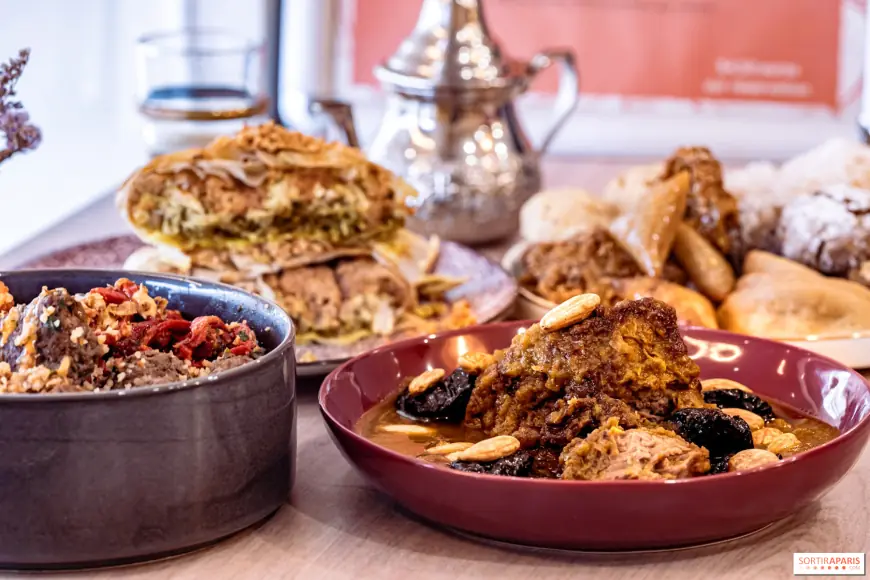
Iftar time today falls on the ninth day of Ramadan 2026, a sacred month in the Islamic lunar calendar. On Thursday, February 26, 2026, fasting will end at 6: 31 PM ET, a time that matters to worshippers observing the daily fast and preparing communal meals.
Iftar Time Today and the ninth day of Ramadan, Thursday, February 26, 2026
On the ninth day of Ramadan 2026, fasting will end at 6: 31 PM ET. The month is part of the Islamic lunar calendar, and this day is marked by the Maghrib prayer, which signals the end of the daily fast. Fasting begins at dawn with the Fajr prayer and concludes at sunset with Maghrib; those observant refrain from eating, drinking, or engaging in intimate relations during daylight hours.
How solar shifts and prayer times move the iftar window
Prayer times shift daily in sync with the sun, which means iftar occurs a few minutes later each day. Because Ramadan 2026 takes place after the winter solstice, days are getting longer and the duration of daily fasting gradually increases as the holy month progresses for Muslims around the world. Depending on the season, the length of the fasting day can stretch longer or become shorter.
City-by-city variance: India listings and a Friday schedule for the ninth fast
Timings vary from city to city due to solar shifts. For Indian Muslims, some city schedules list the ninth fast (Roza) on Friday, February 27, and offer localized sehri and iftar times. Sehri, the pre-dawn meal, and iftar, the fast-breaking meal, are pillars of the holy month of Ramzan; the observance is dedicated to prayer, reflection and community charity. Local timetables for Mumbai, Delhi, Lucknow and other cities reflect those city-by-city differences.
Provisional timetables for France and practical notes for observance
There is a provisional Ramadan timetable available to help people in France know the daily time for iftar. Prayer timetables and iftar schedules are published so communities can plan meals and prayers; the provisional schedule is intended to guide observance of sehri and iftar across French cities. Because fasting starts at dawn with Fajr and ends at sunset with Maghrib, following a local timetable helps ensure correct timing of both the pre-dawn meal and the fast-breaking moment.
What worshippers refrain from and why timing matters
During daylight hours in Ramadan, practitioners refrain from eating, drinking or engaging in intimate relations; these practices are central to the daily fast. Precise timing matters not only for the integrity of the fast but also for communal activities such as prayer, shared iftar meals and charity. As days lengthen after the winter solstice this year, the disciplines of sehri and iftar shift incrementally day to day.
For anyone observing the fast on the ninth day of Ramadan 2026, take note that the day cited here ends at 6: 31 PM ET; city-specific schedules may list nearby dates such as February 27 for localized observances, and practitioners should consult their local timetable for sehri and iftar times.