

























Larry Summers Will Resign From Harvard After Epstein Revelations, Headlines Say

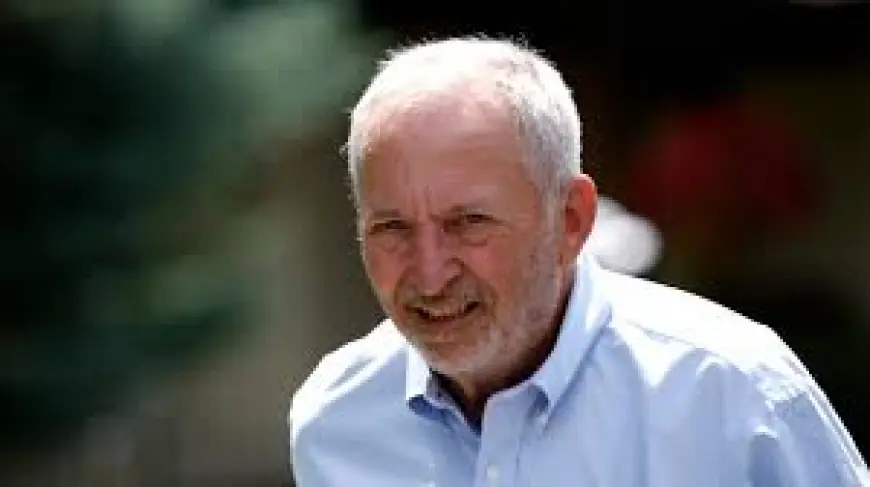
larry summers is set to leave his post at Harvard amid revelations tied to Jeffrey Epstein, a development that has produced a cluster of major headlines over the past day. The synchronized coverage matters because it signals rapid reputational and institutional consequences for both the individual and the university.
Larry Summers Announces Departure From Harvard
Three distinct headlines in the last 24 hours convey the central development: ran the headline "Larry Summers Will Resign From Harvard After Jeffrey Epstein Revelations" 20 hours ago; CNBC used "Epstein files: Larry Summers to resign as Harvard professor as fallout continues" 23 hours ago; and published "Larry Summers to retire from Harvard amid Epstein scandal" 22 hours ago. Each headline frames the same outcome—an imminent end to Summers's role at Harvard—while using slightly different language to describe the reason and character of the exit.
Jeffrey Epstein Revelations and the Immediate Cause
The common thread linking the headlines is new material tied to Jeffrey Epstein, which the outlets identify as the precipitating cause for the departure. One headline states directly that the resignation follows "Jeffrey Epstein Revelations, " another places the development in the context of continuing "fallout, " and a third situates the action "amid Epstein scandal. " The causal chain presented is clear: disclosures connected to Epstein prompted scrutiny that, in turn, led to Summers's decision to step away from his Harvard role.
Harvard Position, Resignation Language and Unclear Details
The three headlines use both "resign" and "retire" to describe the end of Summers's affiliation with Harvard, reflecting slight differences in characterization across outlets. The exact nature of his remaining duties, the effective date of any resignation or retirement, and whether this is a voluntary retirement or a negotiated departure are unclear in the provided context. What is confirmed in the coverage is the action itself—an announced or impending departure from his position at Harvard tied to the Epstein material.
Timeline: Three Headlines Published Within About a Day
The timing is compact: CNBC's headline appeared 23 hours ago, 's 22 hours ago, and 's 20 hours ago. That roughly one-day window produced overlapping public signals about the same personnel change, accelerating the public narrative and increasing pressure for institutional response. The timing matters because multiple high-profile outlets published similar conclusions within hours of one another, amplifying the development and limiting breathing room for further clarification.
Broader Implications for Reputation and Oversight
The headlines collectively place Harvard at the center of a reputational flashpoint tied to Jeffrey Epstein material and the reaction to it. The immediate effect is Summers's departure; the broader implication is increased scrutiny of institutional ties and decision-making processes that touch on high-profile donors and associates. What makes this notable is how quickly the story consolidated into a clear outcome across major news organizations, compressing what might otherwise be a protracted institutional response into a rapid series of public pronouncements.
Details beyond the headlines—such as any statements from Harvard, Summers's own remarks, or the precise contents of the Epstein-related revelations—are unclear in the provided context. The confirmed elements are the headlines, the named individuals and institutions, and the narrow timeline in which the coverage appeared.