





















Gorton And Denton By-election: Polling Opens in Greater Manchester as FPTP Debate Deepens

Polling has opened across parts of Greater Manchester for the gorton and denton by-election, a contest that followed the resignation of the constituency’s MP and has become a focal point for wider arguments over Britain’s voting system. The speed of the timetable and the emergence of a three-way fight have intensified questions about tactical voting and representation.
Gorton And Denton By-election: Polling and timetable
The parliamentary by-election was scheduled for Thursday 26 February. Polling stations opened at 07: 00 GMT and will close at 22: 00, with the result set to be declared overnight into the early hours of Friday morning. The vote will decide who becomes the new member of Parliament for the constituency.
Andrew Gwynne's resignation prompted the contest
The by-election was triggered by the resignation of former Labour MP Andrew Gwynne on 22 January on grounds of ill health. That departure created the vacancy that must now be filled by the ballot being held under a compressed timetable.
Candidates: Sir Oink A‑Lot and Sebastian Moore among those standing
Organisers released a candidate list in alphabetical order that includes Sir Oink A‑Lot of The Official Monster Raving Loony Party and Sebastian Moore of the Social Democratic Party. Other names contesting the seat were not listed in the provided material. Voters will weigh those choices amid messaging about which party is best placed to prevent a rival from winning.
Electoral Reform Society highlights First Past The Post shortcomings
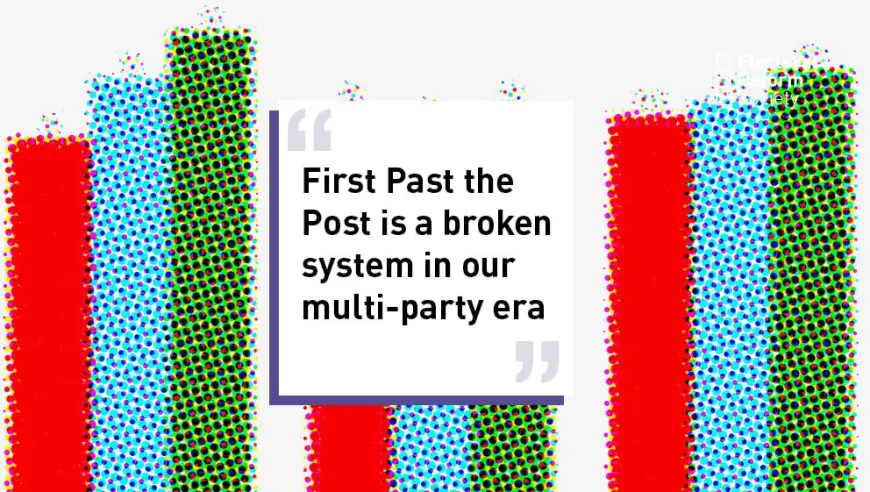
The Electoral Reform Society has argued that First Past The Post is failing voters in this by-election, particularly in multi‑party contests. The group points to the UK general election of 2024, where Labour secured almost two‑thirds of MPs from just over one‑third of votes, as evidence of a highly disproportional outcome. When three or more parties compete strongly, the society warns, candidates can be elected with the support of fewer than a third of local voters, meaning ballots from more than two‑thirds of people are effectively ignored.
With Labour, the Green Party and Reform UK all contesting the seat vigorously, the society says it is highly plausible that a majority of ballots will have little effect on the final choice of MP. That dynamic has shifted campaigning toward tactical appeals—parties urging voters to pick the candidate seen as most likely to ‘stop Reform’ rather than the one whose policies they prefer.
Gaby Hinsliff and the YouGov model’s warning
Columnist Gaby Hinsliff described the contest as a nail‑biter that lays bare cracks in the First Past The Post system. She noted that a seat Labour would once have been expected to win comfortably has turned into a three‑horse race with Reform UK and the Greens, creating pressure on voters to second‑guess their choices. What makes this notable is how that pressure can turn democratic decisions into defensive calculations rather than positive choices about representation.
Hinsliff cited a YouGov model from last autumn that suggested Reform could win as many as 48% of seats at Westminster on around 27% of the vote. That projection, she wrote, fuels the fear that plurality systems can return governments with limited national support and leave large segments of the electorate unrepresented.
Comparisons with preferential systems and broader local context
The debate over voting systems has prompted comparisons with the Single Transferable Vote used in Scottish local elections, where voters rank candidates and preferences transfer until a candidate achieves a majority. Proponents say preferential voting removes the need for tactical choice by allowing voters to list their true first preferences and follow with backups that are counted if their top pick has no realistic path to victory.
The by-election is unfolding against a backdrop of other regional stories: life expectancy in Manchester has returned to its best‑ever level but still lags the UK average; residents have voiced dismay over a warehouse described as a ‘cruise ship’; inquest proceedings continue into the deaths linked to the Heaton Park Synagogue attack; barriers have appeared around a popular restaurant in Warrington; plans to build new homes behind existing houses were refused again; Bury Council approved council tax and rent increases as it set its budget; wider developments include the resumption of a high‑profile testimony and measures affecting arrivals in a post‑Brexit border area. Readers can also send story ideas to 0808 100 2230.
The gorton and denton by-election will therefore deliver a local MP and, in microcosm, a test of how well a plurality voting system serves voters when more than two parties are competitive. The outcome and the conversations that follow are likely to be examined closely for what they say about tactical voting, representation, and the shape of national politics ahead of future contests.