















Jeff Galloway, who inspired people with his run-walk method, dies at 80

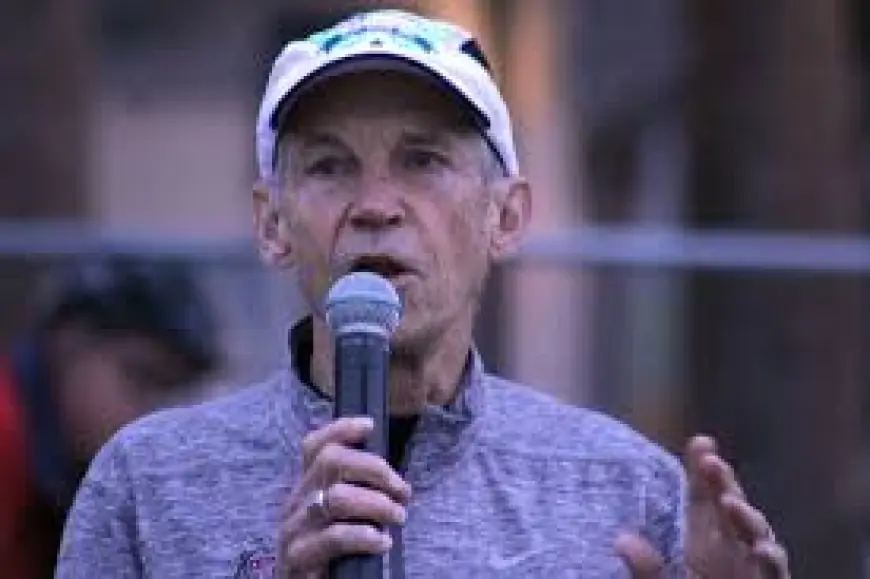
jeff galloway, a 1972 U. S. Olympic team member and longtime advocate of the run-walk-run strategy, has died Wednesday at age 80. He suffered a hemorrhagic stroke and died at a hospital in Pensacola, Florida, daughter-in-law Carissa Galloway said. For decades he influenced elite athletes and countless everyday runners by promoting a method that made running more accessible.
Jeff Galloway’s legacy: the run-walk-run method
Galloway’s signature technique—known as run-walk-run—began in 1974 when he agreed to teach a running class through Florida State University, two years after competing in the 10, 000 meters at the Olympics. He conceived the approach partly to attract customers to Phidippides, his new store for runners. The class drew people who had not run for years; they started by walking with a few one-minute jogs, and Galloway adjusted walk-break frequency so participants never reached the point of huffing and puffing. Walk breaks kept groups together, and the final goal for each group was to finish a 5K or a 10K smiling.
jeff galloway believed walk intervals reduced injury risk, conserved energy and preserved confidence. He continued refining running-to-walking ratios based on pace and individual needs for decades, sharing his methods through books, websites and retreats.
From Olympic runner to coaching pioneer
After competing in the 1972 Olympic 10, 000 meters, Galloway turned his attention to making running approachable for beginners as well as competitive athletes. He applied his lessons in races and training: in the 1980 Houston marathon he walked through every water station and finished in 2: 16: 35, a faster mark than his earlier run-only marathon performances over the 26. 2 mile (42. 1 kilometer) distance. Over his lifetime he logged more than 230 marathons and survived heart failure in 2021; even at an advanced age he expressed a desire to run another marathon, saying in December that his mission was to show people they can do things normally not done, and do them safely.
He also served as the official training consultant for a major resort-based race series known as runDisney and would join participants in races tied to those events.
Final days, surgery and public reaction
Galloway’s family announced emergency neurosurgery on Feb. 20 and invited the public to offer support. In the days that followed throngs of people posted videos online hoping for his recovery and thanking him for guidance that boosted their confidence and helped them reach race starting lines. Many admirers went online to offer tributes after his surgery.
Jim Vance, an elite endurance sports consultant in San Diego, called Galloway a "pioneer" in getting people to run, saying Galloway removed a largely mental barrier to entry and argued that running should not be a suffer-fest but rather something peaceful and enjoyable so people would not dread it.
Milestones and public moments
Galloway’s presence in the running world included memorable public moments. He was the first winner of the race at its original running and was photographed giving a double thumbs up as he headed to the finish line in the 50th Peachtree Road Race on July 4, 2019, in Atlanta. He used high-profile race appearances, training seminars and published materials to spread his method.
What his passing means for the running community
Galloway leaves behind a practical legacy: a training approach that made endurance events attainable for recreational runners and that elite athletes adapted for pacing strategies. His emphasis on injury prevention, energy management and confidence-building reshaped how many prepare for road races. Tributes and memories circulated widely online in the immediate aftermath of his surgery and death, reflecting the broad reach of his influence across casual joggers and competitive runners alike.