






















Snow Removal Drive: Connecticut and Vermont Send Crews to Rhode Island and Massachusetts as Side Streets Stay Blocked

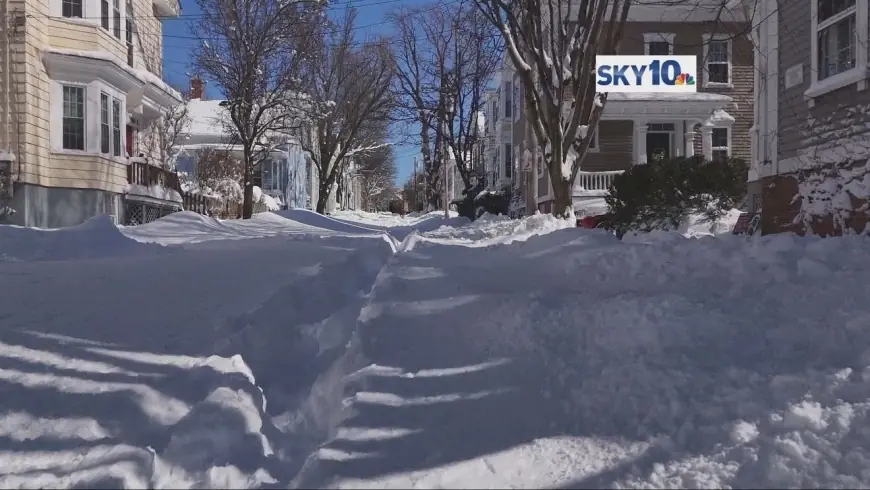
Neighboring state crews are being routed into hard-hit communities, and the first people to feel that shift will be residents whose side streets are still buried. Connecticut and Vermont have mobilized heavy equipment and trained personnel to assist with snow removal, focusing attention beyond the highways that local governments prioritized during the storm. If you live on a secondary road, the extra fleets are meant for you.
Snow Removal response and who feels it first
Connecticut is sending manpower and machinery to the Ocean State, and Vermont has moved crews south to Massachusetts — actions aimed at clearing side roads that remain snow-covered while local governments concentrated on main arteries. Residents have grown frustrated at stalled cleanup on neighborhood streets; the incoming teams target those pockets where municipal resources were limited by competing priorities.
Here’s the part that matters: the deployments are not just symbolic. They add capacity on the ground where plows are still needed on secondary streets and suburban neighborhoods that often get lower priority in an immediate post-blizzard response.
What was sent and how the deployments are organized
Connecticut dispatched a sizable contingent: 80 pieces of equipment that include trucks and snowblowers, together with 125 trained drivers and mechanics from the state department of transportation. The Connecticut crews are expected to work 24-hour shifts through at least Sunday, March 1, as part of a broader push to help neighbors in Rhode Island and Massachusetts.
Vermont contributed more than 30 pieces of equipment and 33 employees to aid Massachusetts. The Vermont fleet included dump trucks, bucket loaders for scooping snow and plows. These state employees were sent to Milton, a suburb south of Boston, and their deployment will be paid through the Emergency Management Assistance Compact. The request for help reached Vermont around noon on Monday, and the convoy left in under 24 hours.
- Connecticut: 80 pieces of equipment (trucks, snowblowers) + 125 trained drivers/mechanics; 24-hour shifts through at least Sunday, March 1.
- Vermont: over 30 pieces of equipment + 33 employees; fleet included dump trucks, bucket loaders and plows; deployed to Milton, south of Boston.
- Storm scale: some Massachusetts locations received over three feet of snow, prompting interstate assistance requests.
The wider narrative in headlines also lists Vermont, Pennsylvania, Connecticut and Maine as states that will help Rhode Island dig out after the blizzard, indicating a multi-state relief effort spreading resources where local crews are still overwhelmed.
The real question now is how long these external crews will be needed and how quickly local priorities can rebalance from main roads back to neighborhood clearing. The Connecticut schedule through March 1 gives a short-term marker for one portion of the response, but the timeline for full neighborhood access remains provisional.
Mini timeline of the mobilization:
- Request and rapid response: Vermont learned of the Massachusetts request around midday Monday and dispatched a convoy in under 24 hours.
- Connecticut commitment: 80 machines and 125 personnel sent; crews will run 24-hour shifts through at least Sunday, March 1.
- Deployment locations: Vermont crews assigned to Milton, Massachusetts; Connecticut crews sent to Rhode Island and available to support Massachusetts as well.
- Forward signal: continued presence of out-of-state crews past early March would confirm prolonged neighborhood recovery needs.
It’s easy to overlook, but the speed and scale of these state-to-state responses reveal how regional mutual aid is used as a bridge when municipal capacity is strained; that coordination matters more in neighborhoods than on cleared highways. A sustained external presence would point to deeper local cleanup needs; a quick drawdown would suggest municipal crews have caught up.
Key practical note for residents: with additional state crews focusing on side roads and subdivisions, those still blocked by the storm should see prioritized plowing activity in the coming days, though exact timing will vary by town and by how long interstate teams remain deployed.
If you’re wondering why this keeps coming up, the short answer is the scale of the storm created competing priorities for limited local fleets—main roads first, then neighborhoods—so interstate assistance fills the later gap.