


















Larry Summers to Retire from Harvard and Resign Kennedy School Post After Epstein Revelations

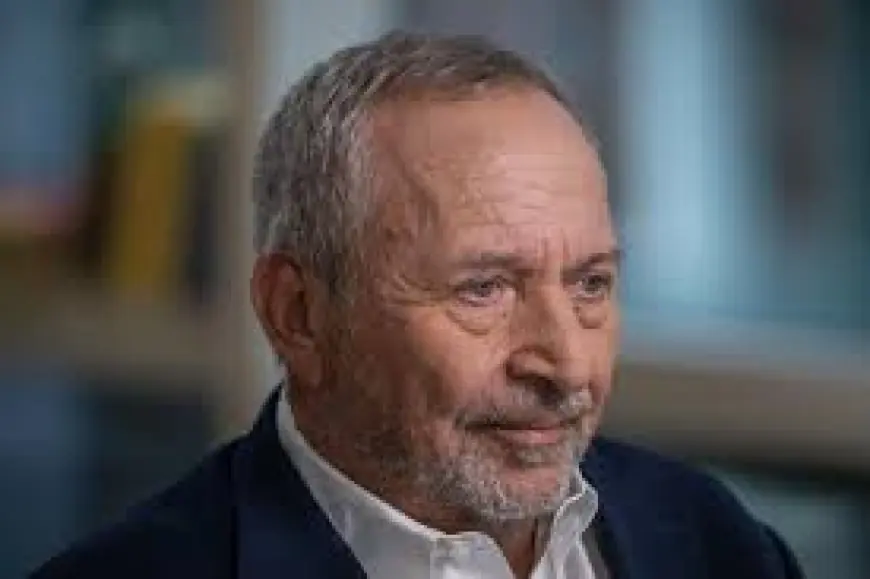
In a major development, larry summers announced Wednesday that he will retire from his academic and faculty appointments at the end of this academic year, a decision prompted by revelations in a trove of Justice Department documents that show a close relationship with convicted sex offender Jeffrey Epstein. The move reshapes the final chapter of a long Harvard career and adds to wider fallout over ties to Epstein.
Larry Summers’ resignation and retirement details
Summers, a former president of Harvard and U. S. Treasury secretary, said the decision was a difficult one and expressed gratitude to the thousands of students and colleagues he has worked with since coming to Harvard as a graduate student 50 years ago. He announced he will retire from his academic and faculty appointments at the end of this academic year, and he will be on leave until the end of the school year. He will continue to hold the title of president emeritus and will be a retired professor while expecting to continue pursuing his academic interests.
Kennedy School post and institutional review
Alongside his planned retirement, Summers resigned from his Kennedy School post as co-director of the Mossavar-Rahmani Center for Business and Government. That resignation came amid the university’s ongoing review of the Justice Department documents related to Epstein.
What the Justice Department documents revealed
The announcement came as a story was being prepared to publish Wednesday that Summers and Epstein had additional financial ties that were not previously disclosed. The documents prompted renewed scrutiny of relationships between Epstein and prominent figures, and in Summers’ case the disclosure was central to his decision to step back from active faculty roles.
Related actions at Harvard
On Wednesday the university also placed mathematical biology professor Martin Nowak on leave pending a further investigation into his Epstein ties. Nowak had been previously sanctioned for his relationship with Epstein, and that sanction was lifted in 2023.
Career arc, controversies and lingering questions
Summers’ departure marks a dramatic fall for an academic once heralded as a brilliant young economist. He served as Harvard president from 2001 to 2006 and worked in the Clinton administration on major financial issues. His presidency was marked by controversy over an abrasive style that culminated in his resignation after public remarks suggesting innate differences between the sexes might help explain why women trail male peers in math and science.
Although Summers has not been publicly accused of wrongdoing related to Epstein, the record shows he both gave advice to Epstein and solicited it, including asking Epstein for tips on a possible relationship with unclear in the provided context.
Reactions and the broader reckoning
Advocates for women’s rights characterized the development as overdue, expressing hope that it will lead to more serious treatment of sexual harassment and assault. Shiwali Patel, senior director of education justice at the National Women’s Law Center, said advocates hope this leads to real change and serious treatment of such matters similar to earlier moments of reckoning. At the same time, Stacy Malone, executive director of the Victim Rights Law Center, questioned why Summers was allowed to frame his exit as a resignation and retirement rather than being publicly forced out, arguing that the phrasing suggests the university is not administering punishment.
Summers’ departure joins a list of high-profile men—spanning academics, NFL owners, a prince and a prominent ambassador—whose reputations have been tarnished and legacies damaged over ties to Epstein. The developments leave several institutional reviews and public conversations ongoing as the full implications continue to unfold.