
























Stanley Tucci: Why Team USA’s Locker-Room Laughter Matters More for Women’s Hockey Than the Joke Itself

stanley tucci appears here as a search anchor, but the real impact is on athletes: Team USA’s reaction to a president’s phone call — laughter after a quip about inviting the women’s champions to the State of the Union — landed awkwardly. The immediate ripple touches the women’s team, the men who shared the locker room, and the public perception of how elite athletes navigate politics and ceremony.
Stanley Tucci — who feels the fallout first and why it matters
Here’s the part that matters: the most exposed parties are the athletes themselves. Backup goalie Jeremy Swayman acknowledged regret, saying the group "should have reacted differently" when laughter followed a mention of inviting the women’s Olympic champions to a presidential event. That admission signals internal self-scrutiny and raises questions about how teams manage split-second public moments.
- Men’s-team players have highlighted mutual support with the women’s team throughout the Games.
- The women’s team declined the immediate invitation, citing scheduling conflicts, while the president said a visit will happen later.
- High-profile moments on the ice—like the women’s golden goal and the men’s overtime wins—are now entangled with off-ice optics.
It’s easy to overlook, but both squads celebrated together in the Olympic village and emphasized respect for one another—comments that complicate a simple narrative of division. The men’s repeated public praise for the women’s achievement makes the locker-room reaction more of an internal misstep than a statement of disrespect.
Event details and how the sequence unfolded
During a post-victory phone call with the men’s team, the president joked that he would have to invite the women’s team to the State of the Union — otherwise he "probably would be impeached. " The quip prompted laughter in the locker room. When questioned by reporters, Jeremy Swayman said, "We should have reacted differently. " Members of the men’s roster, including Jack and Quinn Hughes, stressed that the teams celebrated together and supported one another across the Games.
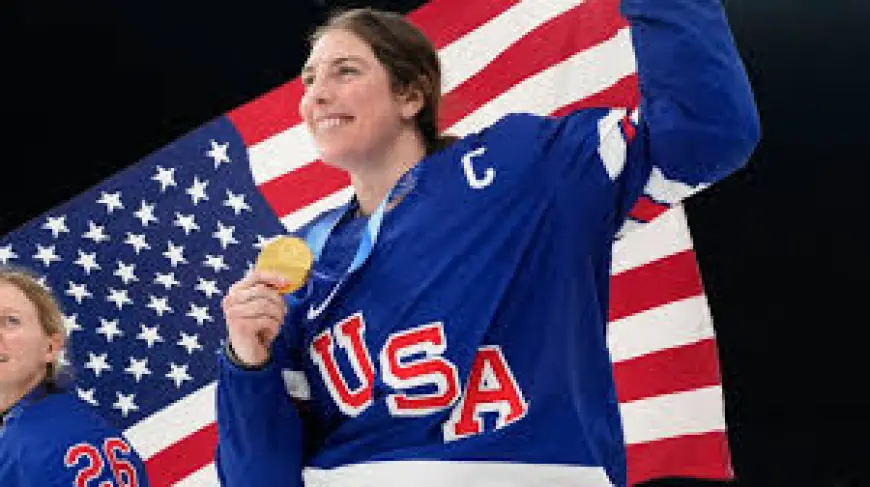
The women’s team had declined an invitation to travel to Washington immediately, citing scheduling conflicts; the president later said the women would visit the White House at a later time. Players have tied on-ice moments together with off-ice camaraderie: Jack Hughes said his first thought after a late goal was the woman who had scored the golden goal for the United States three days earlier, and Quinn Hughes noted it was "amazing to spend some time" with the women in the Olympic village. Their mother, a former player and current staff member, emphasized the unifying power of both teams for fans across divides.
The real question now is whether a brief locker-room reaction will reshape how teams plan public engagements or alter invitations and scheduling going forward. The immediate public-facing consequence is reputational: athletes and organizers will be more aware that casual moments can be amplified.
Key takeaways:
- Team reflection followed quickly: a player publicly said the team "should have reacted differently. "
- Both men’s and women’s teams expressed mutual respect and shared celebration during the Games.
- The women’s team declined an immediate White House invitation because of scheduling; a visit was described as occurring later.
- High-profile athletic moments (a women’s golden goal and men’s overtime wins) remain central to the teams’ public narratives.
What’s easy to miss is that this episode is less about the joke itself than about how elite teams manage optics in real time. Small, unplanned reactions in a locker-room setting can trigger larger conversations about protocol, athlete agency, and the intersection of sport and public life.
If you’re wondering why this keeps coming up: the juxtaposition of championship celebrations and political ceremonies creates inevitable attention. Teams will likely weigh public appearances and messaging more deliberately after this moment.