















TikTok Vigilante Exposes Obnoxious Influencers, Faces Legal Threats

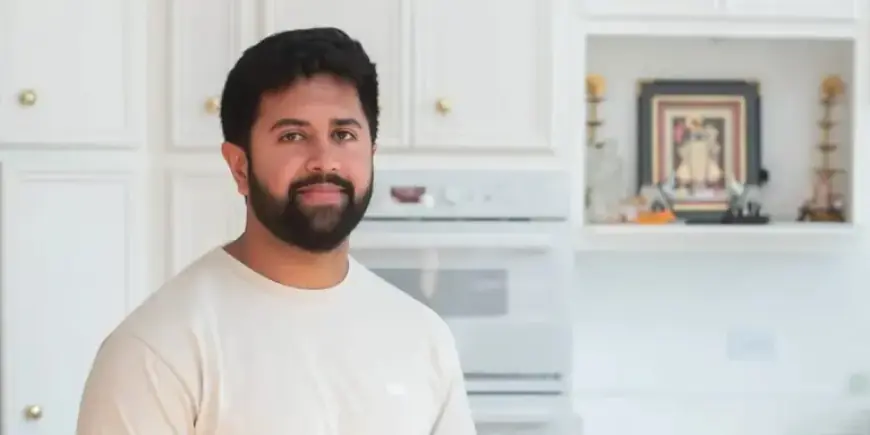
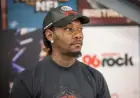
In the evolving landscape of social media, TikTok creator Jay, known for his Daadi Snacks account, has gained substantial attention for critiquing influencers. Originally seeking to promote his family’s popcorn brand, he unexpectedly found his niche in calling out entitled influencers who often overlook local customs and food practices.
TikTok Vigilante: The Rise of Jay
Jay launched his TikTok presence in 2024, initially to showcase Daadi Snacks, a business inspired by his grandmother’s recipes. His journey took an unexpected turn when he stumbled upon influencers critiquing a restaurant for not offering Chicken Tikka Masala. With a humorous stitch of their video, he inadvertently sparked a trend of influencer critique, amassing millions of views.
Influencer Critiques and Cultural Commentary
His videos satirize various influencer behaviors, from demanding free meals to failing to respect local traditions. Jay’s signature commentary often starts with a mockingly exaggerated tone imitating the upspeak prevalent among his targets. This unique approach has not only entertained viewers but has elevated the visibility of his family’s snack brand, which now boasts over one million followers on TikTok.
Public Response and Legal Threats
While many fans regard him as an “internet watchdog,” not all feedback has been positive. Some influencers have expressed their dissatisfaction, leading to blocked communications and legal threats. For example, the influencer known as BestieBri publicly questioned Jay’s portrayal of her experience at a New York café, claiming she felt misrepresented and faced harassment after the video gained traction.
Despite some criticism, Jay continues to attract a supportive audience. Many followers appreciate his efforts to hold influencers accountable, with some praising him as the “Batman of the internet.”
The Bigger Picture: Influencer Culture
Jay’s critiques come at a time of booming influencer marketing, projected to draw $43.9 billion in advertising spend this year. However, the industry lacks standardized practices, leading to initiatives aimed at professionalizing influencer roles. Programs such as the College of Influence, alongside non-profits pushing for better disclosure practices, are emerging in response to growing skepticism of influencer culture.
Future Aspirations
Looking ahead, Jay envisions a day when his video critiques become less necessary. He hopes influencers will begin to support local businesses more actively. Eventually, he envisions transitioning his focus to promoting these businesses and sharing reviews without the critique aspect of his current work.
Conclusion
Jay’s journey reflects both the challenges and responsibilities facing social media influencers today. As the creator economy matures, the dialogue around accountability and authenticity continues to evolve, highlighting the need for a more conscientious approach to influencer marketing.