
























Ryanair and easyJet Flights Face Disruption Amid Airport Fuel Shortages Announcement

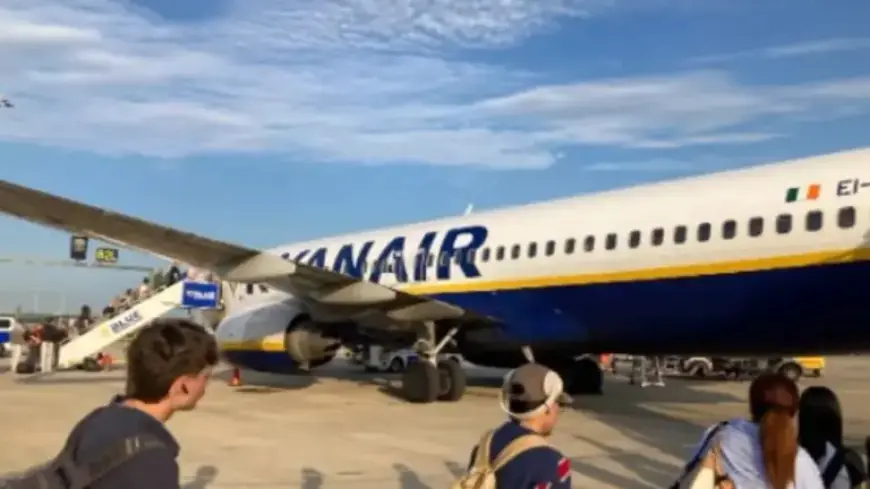
Major disruptions loom for Ryanair and easyJet flights due to imminent airport fuel shortages. These shortages are linked to the ongoing instability in the Strait of Hormuz, a key maritime route for oil shipments. Experts warn that without a resolution in the coming weeks, travel disruptions may intensify as the summer holiday season approaches.
Impending Fuel Shortages
Airport Council International Europe (ACI Europe) has raised alarms regarding diminishing jet fuel reserves across European airports. The organization has stated that unless the Strait of Hormuz reopens fully within three weeks, these shortages could escalate to critical levels.
Current Situation and Predictions
The reservoir of jet fuel is diminishing, primarily due to increased military activity affecting global supply. Although airlines currently possess several weeks’ worth of fuel, the peak travel season exacerbates worries about potential shortages and increased costs.
- Current jet fuel price: $1,900 per metric ton
- Projected supply risk for airlines: 10% to 25%
Airline Responses
Ryanair, one of Europe’s largest carriers, has voiced concerns regarding the implications of continued conflict in the region. Michael O’Leary, Ryanair’s CEO, remarked on the risks associated with ongoing hostilities. He indicated that supply disruptions could commence as early as May if the situation does not improve.
In contrast, easyJet’s CEO, Kenton Jarvis, acknowledged the volatility in jet fuel pricing since the conflict’s escalation. Despite this, easyJet claims it is well-prepared with its fuel supplies.
Consequences for Travelers
The potential for flight cancellations and further travel disruptions is high. Recently, four Italian airports implemented restrictions on jet fuel availability due to these challenges. Similarly, Air New Zealand has had to cancel several flights attributed to skyrocketing fuel prices.
As both Ryanair and easyJet brace for what may lie ahead, attention must remain on the geopolitical climate surrounding the Strait of Hormuz. Any developments could significantly alter the landscape for air travel in Europe.