

















Vivienne Westwood Exhibition Reveals Six Essential Pieces in Rare Retrospective

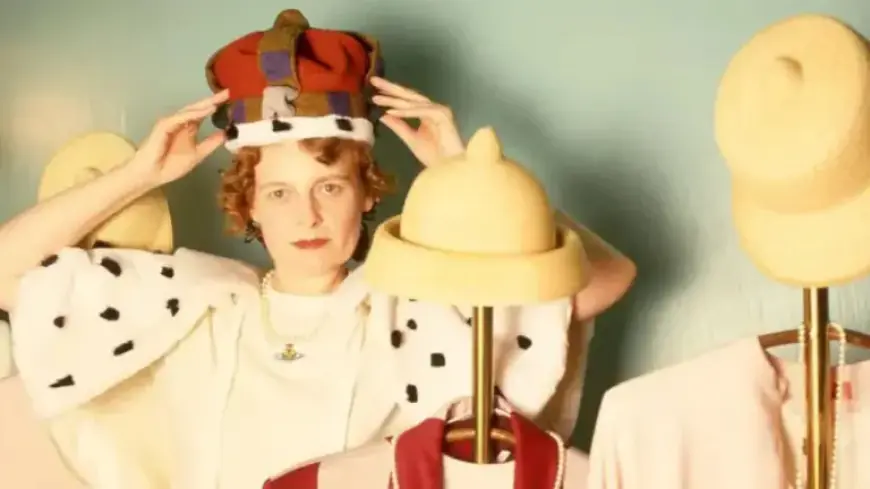
The Bowes Museum in County Durham opens a new Vivienne Westwood exhibition this spring. The show presents over 40 outfits spanning the 1980s to the 2000s. Curators combine museum holdings and rare private loans to trace recurring ideas in Westwood’s career.
Curatorial concept and scope
Curator Rachel Whitworth frames the project as the first major retrospective since Westwood’s death in 2022. The exhibition explores fashion as memory, craft and activism. The subtitle, “Rebel – Visionary – Storyteller”, guides the layout and narrative.
The display highlights how Westwood revisited themes across decades. Pieces are arranged to show repetition and transformation. The aim is to show influence as ongoing rather than finished.
Key pieces and presentation
The show includes more than 40 complete ensembles. It also features framed garments, accessories, show invites and magazine covers. The arrangement makes the design process visible to visitors.
Organisers extend the presentation into the Fashion and Textiles gallery. Visitors will see fabric rolls, a sewing machine and calico toiles. These objects underline Westwood’s technical approach.
Six essential pieces and turning points
Among the highlights are items linked to Pirate, Harris Tweed and Dressing Up moments. The exhibition draws attention to six essential pieces that define those turning points. Together they illustrate Westwood’s recurring reference to history and rebellion.
Design language and historic motifs
Corsets and crinolines appear throughout the galleries. These motifs show her engagement with fashion history. She often reworked past forms into contemporary languages.
The Mini-Crini from Spring 1986 is a focal example. It used flexible plastic boning for lightness and sculptural shape. The technique shows Westwood’s focus on engineering garments for movement.
Politics, craft and activism
The museum highlights Westwood’s political and environmental commitments. Those concerns have grown more resonant since her death. The retrospective positions her as a designer who used clothes to argue.
Vicky Sturrs, director of programmes and collections, says the show aims to inspire local creatives. The Bowes frames the exhibition as a bridge between regional collections and national cultural memory.
Voices from the Bowes Museum
Whitworth describes the timing as apt for reminding audiences of Westwood’s breadth. Peter Smithson, associate curator and collector, emphasises storytelling in every look. He argues that each outfit conveyed a scene or character.
The curators treat garments as objects and narrative devices. They also link Westwood’s work to paintings, sculpture, armour and decorative arts. These links show her ongoing conversation with the past.
Legacy and wider implications
The exhibition represents rare retrospective scale for Westwood in a regional museum. It gathers rare private loans alongside The Bowes’ own holdings. The result maps influence rather than creating a static archive.
The show tests whether museums can tell designer stories that still feel active. Filmogaz.com will follow how visitors and designers respond. The question remains whether this presentation becomes a model for future retrospectives.