
























Total Lunar Eclipse Blood Moon: Where to See the March 3 Event, How to View It, and How Minnesotans Can Watch

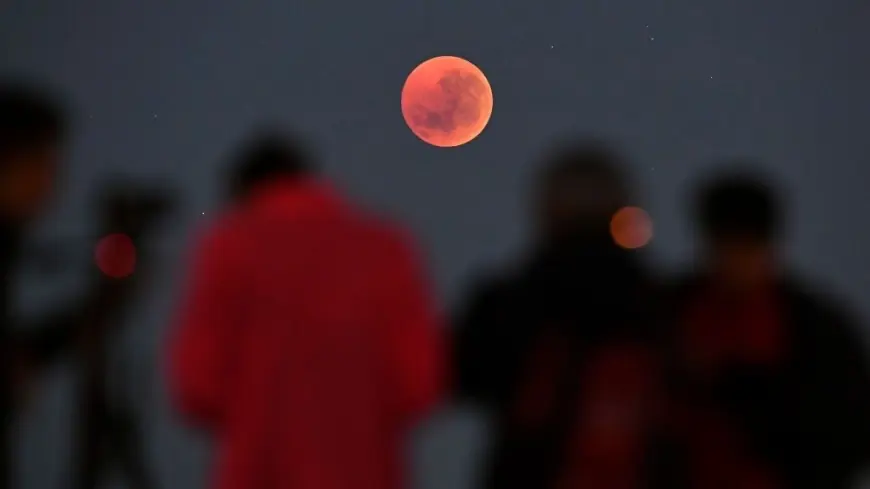
The Total Lunar Eclipse Blood Moon will transform the moon into a coppery red in the early hours of March 3, the first lunar eclipse of 2026 and the first major astronomical event visible in 2026. The event will be visible across broad swaths of the night side of Earth and promises dramatic views for billions in the path of the eclipse; however, what each observer actually sees will depend on location and local conditions.
Total Lunar Eclipse Blood Moon: global visibility and the best regions to watch
Skywatchers in North America, Australia, New Zealand and eastern Asia are inside the broad visibility footprint called out in the provided context. Several pieces of coverage within the context emphasize that the best views will come from the western half of North America, Australia and the Pacific. One account notes clear visibility in North and Central America; another notes only partial visibility in Central and South Asia and no visibility for Europe or Africa. The long-lasting and impressive blood moon will be visible to billions within the path of the eclipse, but local circumstances will determine whether observers get the full spectacle.
Exact timing and conflicting duration notes
The materials in the provided context list precise universal times for totality: totality will last 58 minutes, from 6: 04 a. m. EST (1104 GMT) to 7: 02 a. m. EST (1202 GMT). Other material in the context describes totality occurring almost at dawn and notes that the full moon will take on its reddish color for just 12 minutes a few hours before sunrise. Those two duration notes appear in the provided context; the discrepancy is present in the source material and is retained here as presented.
How to view the Total Lunar Eclipse Blood Moon and safety tips
Total lunar eclipses are safe to view with the naked eye; no special equipment is required. Observers are advised to get somewhere dark with clear skies. Practical tips from the provided context include going to a high vantage point, dressing warmly, and seeking an unobstructed western horizon: at the time of totality the moon may be almost touching the horizon and about to disappear, so a clear view above buildings or trees will help. Watchers can expect to see a gradual shift from a bright silver moon to a deep red as Earth's shadow sweeps across the lunar surface; this color change results from sunlight filtered through Earth's atmosphere and projected onto the moon—"like all the world's sunrises and sunsets projected onto the moon, " a NASA explanation paraphrased in the provided context makes clear.
Minnesotans: alarms, local timing and what to expect
Minnesotans who set alarms for 5 a. m. on March 3 are specifically called out in the provided context as in position for a rare astronomical treat: a total lunar eclipse. Observers in Minnesota who wake early may see a yellow sun rising above blue skies while a red moon sets on a darkened western horizon. The context also notes that astronomers predict this total lunar eclipse will not be visible in the Americas again until June 2029, and that March 2025 was the last total lunar eclipse visible to the Americas, with the previous one three years before that.
The provided context includes a named local voice: John Zimitsch, vice president of the Minnesota Astronomical Society, emphasizes the in-person experience and urges viewers to "look up" and put down their phones, noting that photos and online streams cannot replace seeing astronomical events directly.
Practical notes, local visibility tools and missing details
- A lunar eclipse live blog is mentioned in the provided context as an available place for real-time updates.
- To determine whether the eclipse will be visible from a given city and to obtain exact local timings, the provided context recommends using a local visibility tool where you can enter your city; the specific site name named in the original material is redacted here.
- For Minnesotans hoping to catch a glimpse, the provided context states that "astronomers advise them to: " but the specific checklist that follows that phrase is unclear in the provided context.
Additional context and unrelated notes present in the provided materials
The provided materials include several promotional and editorial notes: statements about breaking space news, a monthly entertainment newsletter, a skywatching newsletter, and a sci-fi reader's club are present in the original context. There is also a consumer note that purchases through links on the original site may earn an affiliate commission. One of the items in the provided material was translated from Spanish before inclusion in the materials summarized here. The provided context also identifies Kyeland Jackson as a general assignment reporter, and contains other unrelated local news fragments such as a line that this was the second fatal crash in Kathio Township in as many days, a note that families and advocates are calling on the state legislature about assisted living services, and a statement that "it's the latest in a growing list of fraud-focused threats and probes from the Trump administration, " which should be treated as a developing detail in the provided context.
Schedule details and visibility remain subject to change; consult local listings or a real-time visibility tool for the most current timing for your location. The specific guidance items missing from the original context are unclear in the provided context and have not been guessed or filled in here.