













Rashida Tlaib And Ilhan Omar Draw Fire After State Of The Union Clash, Independent Debate Intensifies

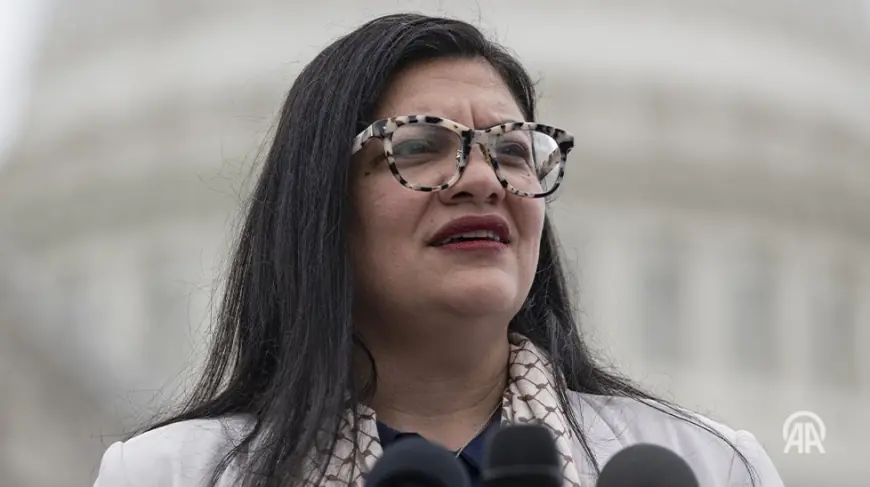
Rising tensions on Capitol Hill put Rashida Tlaib and Ilhan Omar back in the national spotlight this week after a heated moment during President Donald Trump’s State of the Union address sparked a wave of backlash, defenses, and renewed arguments over protest, decorum, and the boundaries of political speech. The episode has also fueled broader discussion about what it means to be an independent voice inside a polarized Congress—and how quickly a confrontation can reshape the news cycle around Omar and other high-profile progressives.
Rashida Tlaib And Ilhan Omar Confrontation After State Of The Union
The flashpoint came Tuesday night, February 24, 2026, during the State of the Union address (ET), when Rashida Tlaib and Ilhan Omar visibly protested from the House chamber as the president defended his immigration agenda and criticized Democratic opposition. The exchange drew immediate reactions inside the room, followed by sharper rhetoric the next day as the incident spread beyond the chamber.
By Wednesday, February 25, 2026 (ET), the president escalated his criticism in a social media post that labeled the lawmakers as “mentally deranged,” suggested they should be “institutionalized,” and included language implying they should be removed and “sent back” despite both being U.S. citizens. The remarks prompted swift condemnation from Democratic leaders and civil-rights advocates, who characterized the comments as xenophobic and racist.
Omar And Tlaib Respond As Rhetoric Escalates
Supporters of Omar and Tlaib argued that vocal protest is a legitimate form of dissent, especially when lawmakers believe policies put constituents at risk. Critics countered that disruptions during a formal address undermine institutional norms and distract from policy debate.
The confrontation also reflects a broader pattern: Trump’s second-term messaging has repeatedly centered immigration enforcement and domestic security, while Ilhan Omar and Rashida Tlaib have become two of the most consistent congressional critics of those priorities. The result is a political feedback loop in which each new clash becomes both a governance dispute and a campaign-style fight over identity, belonging, and patriotism.
Independent Stakes: Independent Investigations And Congressional Guardrails
The controversy has reignited calls for independent investigations into the human impact of immigration enforcement, including deaths in detention and the use of force during federal operations. Democrats pushing these efforts argue that oversight must be insulated from political pressure, while Republicans argue that enforcement agencies require stronger backing and faster authority to act.
This is the policy terrain where “independent” has become a charged word: for critics of the administration, it signals accountability mechanisms that can constrain executive power; for defenders, it can sound like another layer of bureaucracy that slows action. The Tlaib–Omar clash is now being used as a symbol by both camps—either as proof that oversight is urgently needed, or as proof that opposition tactics have become increasingly confrontational.
Political Fallout For Rashida Tlaib, Ilhan Omar, And Omar’s Colleagues
Beyond the immediate headlines, the incident carries practical consequences. Leadership teams in both parties are watching how the moment affects fundraising, candidate recruitment, and messaging discipline. For Democrats, the challenge is balancing defense of members facing inflammatory attacks while avoiding a storyline that crowds out economic or pocketbook themes. For Republicans, the risk is that personal attacks—especially those tied to citizenship and identity—can harden backlash among moderates and energize opposition turnout.
For Ilhan Omar and Rashida Tlaib, the episode may deepen their standing with supporters who see them as unwilling to yield under pressure, while further polarizing their image among critics who view their confrontations as provocative. Either way, the immediate effect has been to amplify their visibility—and to make “decorum versus dissent” a front-burner topic again.
Key Moments Timeline For Rashida Tlaib, Ilhan Omar, Independent Oversight, And Omar Coverage
| Date (ET) | What Happened | Why It Matters |
|---|---|---|
| Feb. 24, 2026 | State of the Union clash in the House chamber | Sets off the latest high-profile confrontation involving Tlaib and Omar |
| Feb. 25, 2026 | President escalates attacks in a social media post | Expands the fight beyond policy into identity-focused rhetoric |
| Feb. 25–26, 2026 | Leaders and advocacy groups respond publicly | Accelerates calls for accountability and independent oversight debates |
What Comes Next For Ilhan Omar, Rashida Tlaib, And The Independent Debate
In the near term, the story is likely to evolve on two tracks: political messaging and policy oversight. The messaging track will focus on whether Congress moves to formally censure, discipline, or otherwise respond to chamber disruptions, and whether party leaders treat the incident as a turning point or a one-off flare-up. The policy track will focus on immigration enforcement scrutiny and whether lawmakers can secure independent review mechanisms with enough authority to satisfy critics—and enough restraint to survive partisan opposition.
For now, the immediate reality is simple: Rashida Tlaib and Ilhan Omar are once again at the center of a national argument about power, protest, and the language leaders use when describing political opponents. And as the debate widens, the name Omar remains a focal point for both supporters demanding accountability and critics demanding consequences.