























Criminal Defense Attorney Challenge Could Trigger New Indictment or Dismissal in Gaudreau Brothers Case

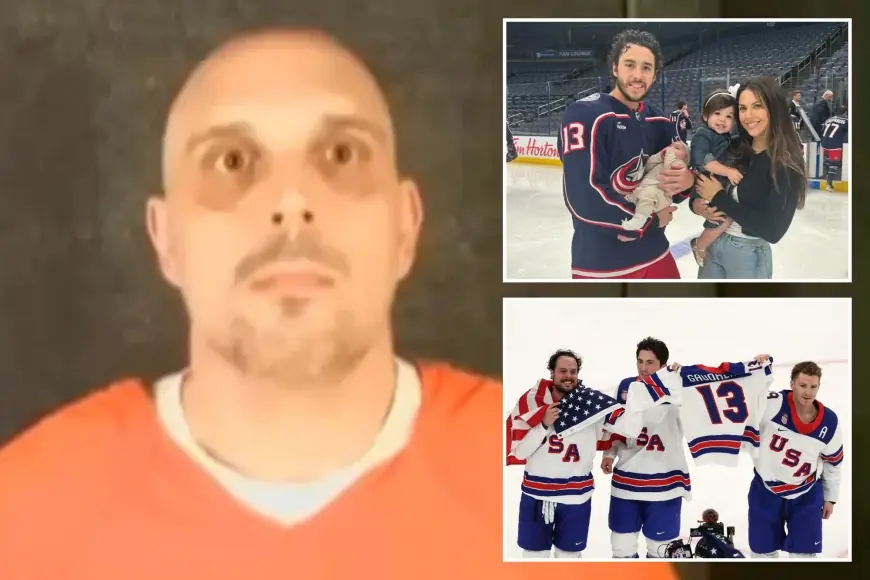
What changes now is procedural: a fresh expert analysis placed before the court has the potential to undo the factual basis that helped secure an earlier indictment. The defense’s criminal defense attorney team contends that the tested sample was plasma rather than whole blood, producing a lower blood-alcohol concentration that falls under the legal limit. That shift could lead to dismissed counts, a new grand jury review, or renewed plea discussions.
Criminal Defense Attorney motion focuses on testing method and courtroom consequences
This motion is aimed less at re-arguing motive and more at the evidentiary foundation used by the grand jury. The defense filed a notice of motion seeking dismissal of multiple counts on the ground that the evidence presented to the grand jury misstated the defendant’s blood-alcohol concentration. Prosecutors have said they will review the filing and consult experts before deciding whether to seek a new indictment or proceed as charged.
Here’s the part that matters: if the corrected test reading is accepted as materially different, it could affect how jurors and negotiators view culpability and sentencing exposure. That matters to immediate parties and to court resources; plea dynamics already show movement in both directions.
- Who is most directly affected: the accused, the families of the deceased, the prosecution team, and potential victims’ advocates following the case.
- Practical consequence: evidence the grand jury heard may be re-evaluated, which can force retreat to a new grand jury or prompt dismissal of specific counts.
- Near-term signal to watch for: whether prosecutors accept the need for new presentation to the grand jury or maintain the current indictment.
It’s easy to overlook, but this kind of forensic dispute—plasma versus whole blood testing—can move a case from a straightforward indictment to a prolonged evidentiary fight, changing timelines and bargaining leverage for both sides.
Court filings and the evidence at issue
The filings name multiple criminal counts that the defendant faces and detail the contested blood-alcohol readings. The indictment includes first-degree aggravated manslaughter counts, second-degree reckless vehicular homicide counts, a fourth-degree tampering with physical evidence count, and a second-degree leaving-the-scene count. The defense highlighted an expert report arguing that the blood-alcohol concentration presented to the grand jury—0. 087 percent—was derived from plasma testing, and that a corrected reading would be 0. 075 percent, below the statutory 0. 08 limit.
Public court hearings have also revisited other facts that were part of the record: the defendant has admitted to drinking and failed a field sobriety test, and the two brothers were struck while riding bicycles near their childhood home. The defense has pursued multiple motions seeking dismissal or exclusion of evidence, and a prior motion was denied by the trial judge. The defense has also submitted a counter to an earlier plea offer; previously the defendant rejected an offer that would have resulted in 35 years of prison time in exchange for a guilty plea.
Next procedural steps are straightforward on paper: the defense motion was filed on Monday, and the case is scheduled to return to court on April 14. Prosecutors say they will need to review the defense filing and consult their own experts before deciding whether to go back to a grand jury or proceed under the existing indictment.
Micro timeline (facts presented in filings):
- Aug. 29, 2024 — The crash that killed the two brothers occurred while they were riding bicycles.
- December 2024 — An indictment was returned charging the defendant with multiple counts.
- Monday — Defense lawyers filed a notice of motion seeking dismissal based on the BAC evidence.
- April 14 — The next scheduled court date to address the motion and related negotiations.
The real question now is how the prosecution will weigh the defense expert's recalculation against the original testing and the broader record. If the state agrees the test was flawed, the prosecutor may seek a new indictment; if not, the case will move toward trial with contested forensic evidence.
As the procedural chess plays out, the criminal defense attorney strategy is clear: attack the evidentiary anchor used to secure an earlier indictment and press for remedial measures that change the case’s trajectory. The coming weeks should reveal whether that tactic forces a structural reset in the prosecution’s case or simply becomes another contested issue for trial.