

























Casey Means: Takeaways from surgeon general nominee’s Senate confirmation hearing on glyphosate, MAHA ties and past wellness claims

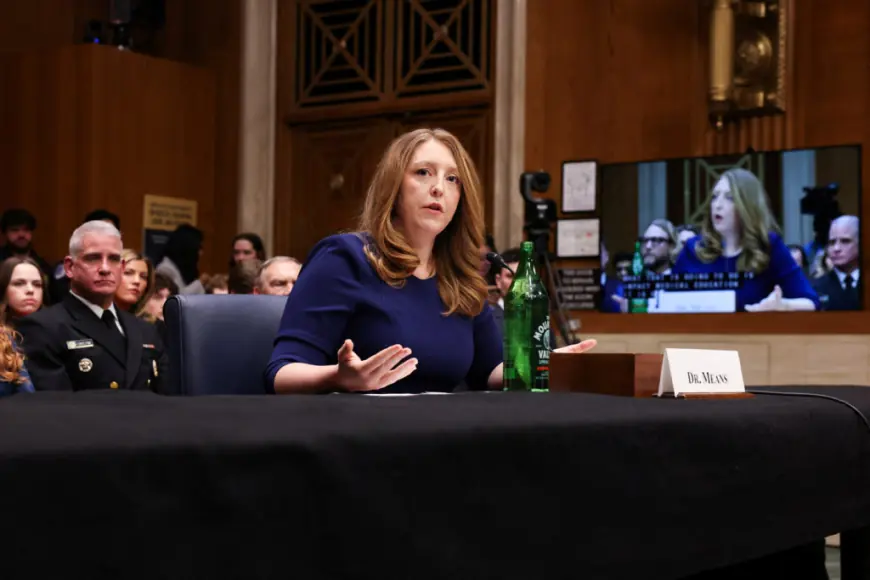
The Senate confirmation hearing for casey means brought sharp questioning over a recent presidential executive order promoting domestic production of glyphosate and raised fresh scrutiny of her ties to the Make America Healthy Again movement, her wellness advocacy and outstanding ethics and disclosure issues. The exchanges matter because they touched on how her public positions might align or conflict with federal policy and regulatory views on chemical safety.
Glyphosate, the executive order and direct questioning from Sen. Ed Markey
President Donald Trump’s nominee for surgeon general, Dr. Casey Means, was pressed about the president’s recent executive order to expand domestic production of glyphosate, an ingredient in weedkiller, and whether that move conflicts with her past statements on the chemical’s health effects. During her confirmation hearing, Sen. Ed Markey, D-Mass., asked Means—described at the hearing as a wellness influencer and author—about prior comments that glyphosate causes cancer and whether Trump’s order could harm the health of families. A clip of the exchange was played during the hearing.
Casey Means on chemicals, MAHA and sustainable farming
Means identified herself as deeply concerned about chemical inputs in the food supply, saying the country should move away from toxic inputs, study these chemicals more, and prioritize health impacts. She positioned the Make America Healthy Again movement (MAHA), which largely opposes pesticides in food production, as committed to protecting American consumers and helping farmers transition to more sustainable farming practices, calling those priorities important for both planet and health and saying she would champion them. Senator Markey noted that MAHA is displeased with the president’s executive order.
Regulatory position mismatch highlighted: EPA statement on glyphosate
The Environmental Protection Agency conveyed that there is no evidence glyphosate causes cancer in humans, a position raised during the hearing to contrast regulatory assessment with the nominee’s expressed concerns.
Tone shift at the hearing and past wellness beliefs
Observers at the hearing noted that Means largely kept her more eccentric wellness beliefs in check while testifying to the Senate health committee. She avoided discussing psychedelics or endorsing raw milk, and she did not launch extended criticism of birth control. Means emphasized her medical degree from Stanford, even as the record shows she does not currently hold an active medical license, and she sought common ground with senators during questioning.
Past statements, book details and MAHA networks
Before her nomination last spring, Means—who left a surgical residency in 2018—embraced unconventional wellness theories. She has described conversations with trees, suggested natural disasters can be a communication from God, and called the nation’s health a spiritual crisis. On a 2024 podcast appearance she criticized seed oils and framed widespread use of hormonal birth control as reflecting a cultural disrespect of life, and she questioned the universal birth dose of the hepatitis-B vaccine.
Her 2024 book, Good Energy, co-written with her brother Calley, recommends avoiding tap water and conventionally grown food, trusting oneself over doctors, obtaining one cumulative hour of very hot heat exposure each week, and optimizing health with a glucose-monitoring device available through Levels Health, a company she co-founded. Calley Means is identified in the hearing materials as a senior adviser to the Health and Human Services secretary and a key figure in the MAHA movement.
Ethics, disclosure questions and exchanges with senators
Means stated she wrote in a September ethics filing that she would resign from Levels and forfeit or divest stock options in the company; however, the public record cited at the hearing still lists her on Levels’ blog as chief medical officer. She said she had spent the last several months working with the Office of Government Ethics to be fully compliant with conflict-of-interest rules.
Senator Chris Murphy pressed Means on financial relationships with companies she promoted in her newsletter, referencing an analysis that concluded she had frequently failed to make proper disclosures. In response, Means pushed back, saying she believed the way that data was gathered was intentionally designed to create those claims. When Senator Patty Murray asked about prior anti–birth-control remarks, Means clarified she was referring to particular women with medical histories that might make birth control risky rather than opposing birth control generally. She also affirmed that vaccines are a key part of any infectious-disease public-health strategy when questioned by Senator Bill Cassidy.
Context and remaining questions
Means’ decision to moderate her public posture at the hearing was notable given the array of past statements and endorsements. Health leaders, including former surgeons general, have questioned her qualifications for the role. The record in the hearing materials ends mid-sentence on a note about broader health community reactions—"Dozens of health and advoc"—unclear in the provided context, leaving some broader assessments incomplete in the available text.
The hearing materials included a request for reader contributions that urged, “Your generous monthly contribution— or whatever you can give—will help secure our future, ” a prompt to subscribe to an email newsletter with a confirmation step, and an editorial appeal to support trusted journalism and civil dialogue. The published item also carried a © 1996 - 2026 year range and an all-rights-reserved notice. A byline was present in the materials provided.
Recent updates indicate this remains an active confirmation process and some details may continue to evolve.