





















Anthropic and Pete Hegseth Face Off Over Military AI Access

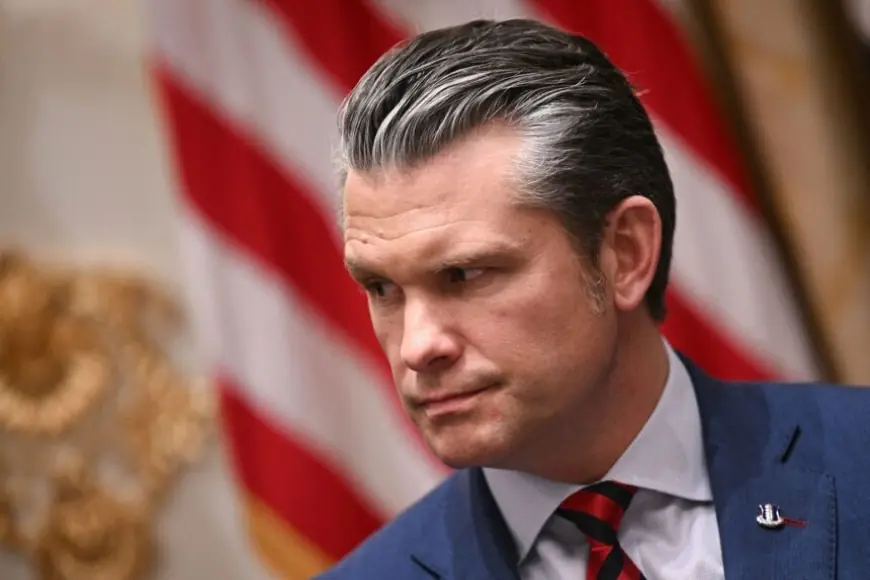
A fast-moving clash between anthropic and pete hegseth is turning into one of the most consequential U.S. tech-policy stories of early 2026, putting commercial AI guardrails on a collision course with Pentagon priorities. Over the past 48 hours, the dispute has widened from a contract-level argument into a broader test of how far the government can push private AI systems toward unrestricted military use—especially as major defense contractors increasingly rely on the same models across engineering, logistics, and planning workflows.
Anthropic and Pete Hegseth Dispute Centers on “Unrestricted” Military Use
At the center of the standoff is a simple question with enormous implications: should a leading commercial model be made available for unrestricted military applications, or should usage limits remain in place to reduce the risk of misuse?
Public accounts of recent discussions describe pete hegseth pressing for fewer limitations, while anthropic maintains that guardrails are essential—particularly around high-risk areas such as autonomous targeting, mass surveillance, and other uses that could accelerate harm at scale. The disagreement has sharpened because it touches the Pentagon’s push to standardize AI tooling across commands and contractors, rather than treating AI as an experimental add-on.
Pentagon Scrutiny Expands Beyond Anthropic to Defense Contractors
The pressure is no longer confined to direct dealings with anthropic. Over the last day, the Pentagon has also circulated questions to major defense contractors about their exposure to Anthropic-powered services and dependencies that could affect delivery timelines or mission support if access changes.
That contractor-wide check suggests two realities:
-
AI models are increasingly embedded in defense-adjacent workflows, and
-
the Pentagon wants leverage and contingency planning if a supplier refuses expanded military permissions.
This shift matters because it turns the dispute from a single vendor disagreement into a supply-chain risk conversation—one that can influence procurement decisions, integration roadmaps, and future contract terms across the defense ecosystem.
Anthropic Updates Safety Rules as Pressure Builds
While the dispute escalates, anthropic has also been updating its public-facing safety posture. In the last day, the company released a new version of its Responsible Scaling framework, reshaping how it describes risk thresholds and internal review steps for advanced capabilities.
The timing is significant. The Pentagon’s position emphasizes readiness and operational flexibility, while Anthropic’s stance emphasizes restraint and structured risk management. Even small changes in how guardrails are defined—and how exceptions are handled—can change how government customers interpret “acceptable use,” especially when AI tools are being considered for sensitive workflows.
Timeline of Key Developments in the Anthropic–Pete Hegseth Story
| Date (ET) | Time (ET) | Development |
|---|---|---|
| Feb. 24, 2026 | Afternoon | Public accounts describe high-level discussions between pete hegseth and anthropic leadership over military access conditions. |
| Feb. 25, 2026 | Late afternoon | Pentagon outreach expands to defense contractors to assess reliance on Anthropic-backed AI services. |
| Feb. 25, 2026 | Evening | Commentary intensifies around federal authorities and what tools could be used to compel cooperation. |
| Feb. 26, 2026 | Morning | Wider coverage frames the dispute as a defining test for AI “guardrails vs. national security” policy in 2026. |
What This Means for AI Contracts, Compliance, and Future Guardrails
The anthropic and pete hegseth confrontation is shaping up as a precedent-setting moment for three reasons.
First, it stresses the boundary between commercial AI terms of use and national-security procurement. If government demands can override vendor restrictions, more AI providers may tighten contract language, segment “government models,” or build separate deployments with different safety policies.
Second, it forces clarity on what “military use” actually means in practice. A model can support benign tasks—summarizing manuals, drafting logistics notes, analyzing maintenance schedules—while also being adaptable to riskier applications. The dispute effectively asks whether the vendor is allowed to draw that line, or whether the customer sets it.
Third, it raises the stakes for the broader ecosystem. If defense contractors are building systems around a particular model family, the Pentagon’s preference for continuity can collide with vendor policies. That creates pressure for multi-model strategies, model-agnostic tooling, or government-owned layers that reduce dependency on any single commercial provider.
Where the Anthropic–Pete Hegseth Standoff Goes Next
In the near term, the next developments will likely revolve around contract enforcement options, procurement alternatives, and whether revised usage terms can satisfy both the Pentagon’s operational requirements and anthropic’s safety position. The dispute is also likely to influence how other AI vendors structure government offerings—especially if they anticipate similar demands for fewer restrictions.
For now, one thing is clear: the anthropic and pete hegseth conflict is no longer just a tech-company disagreement. It’s a live test of how the U.S. government will integrate frontier AI into defense—under what rules, with what safeguards, and with whose authority defining the limits.