





















Survivor 50: Jeff Probst on a day of filming in the Mamanuca Islands

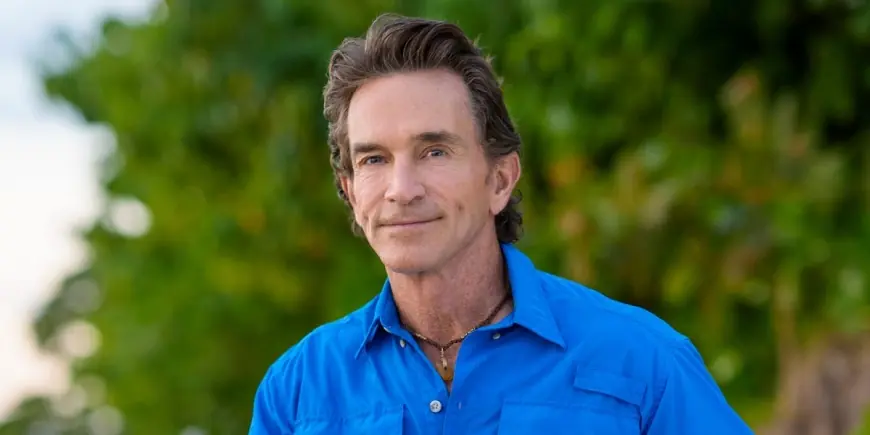
For the premiere of the all-star fiftieth season, Jeff Probst walked a reporter through a day of filming on the Mamanuca Islands in Fiji; that account—edited and condensed from a conversation—details why survivor 50 feels like a creative life rather than a gig. The Emmy-winning host and showrunner described how routines built over 10 years of filming in Fiji shape a production that still demands intense work.
Survivor 50: an as-told-to day on the Mamanuca Islands
This piece was presented as an as-told-to essay based on a conversation with Jeff Probst, and it opens with the line: "Here's a typical day in my life while filming 'Survivor 50. '" The conversation has been edited and condensed for clarity. A sign-up prompt on the page read, "Every time Samantha publishes a story, you’ll get an alert straight to your inbox!" and noted that by clicking "Sign up" you agree to receive emails and accept the site's terms of service and privacy policy. Readers were also invited to reach out to editor Lauryn Haas to share their daily routine.
How 26 years reshaped production: new countries, shipping crates and city-sized builds
Probst said the way the show runs has changed a lot in 26 years. In the early seasons the crew went to a new country or a new island every season, a process he described as building a city on an island, packing everything up, putting it on big shipping crates across the ocean, taking it off and building a new city again. He emphasized that the amount of work was huge.
Living conditions across seasons: tents, modular housing and tiny trailers
For many seasons Probst and the crew lived in tents — little single-person tents — and on other seasons they had modular housing. He recalled one period when they had very tiny trailers, which he estimated were maybe 12 feet long and eight feet high; each trailer had a bed and that was basically it. Now that the production has filmed in Fiji for 10 years, Probst said the team has developed a routine that helps prep and eliminates many unforeseen problems, even if it doesn't change the demands of the actual show.
The 26-day production rhythm: 6 a. m., 10: 30 p. m. and radios everywhere
Working on "Survivor" is a 26-day event from the morning of day one. Probst described a day that might technically start at 6 a. m. when you wake up and end at 10: 30 p. m. when Tribal Council is over, while noting that the work doesn't really stop until the end of day 26. Especially for executive producers, there is always a radio next to the bed and a radio in the boat and radios everywhere, because the show is "a living, breathing organism. " He also said there aren't many distractions on the island: there are no restaurants, there isn't a movie theater, friends don't really come and visit, and there is nowhere to go to dinner — making life very small and, in his view, easier to focus.
Probst's routine: a house on the water, pitch-black nights and a 20-minute workout
Probst described having a home on the water in Fiji and waking to the sounds of the ocean every morning. He said when you're in the middle of the ocean there is no ambient light, so it is pitch black at night, which makes it easy to go to bed early and easier to get up with the sun. Almost every morning he works out, mostly for his mental health. He keeps a small gym — a few pieces of gear he has collected over the years — and the crew ships them to the little house; they literally build a false floor for the equipment so they don't hurt the house. His workouts are straightforward exercises with weights, nothing fancy; he said he only does maybe 20 minutes but tries to do it most days because he feels better and feels like he lets his body know, "We're going back into war, let's go. "
Placement in a series and reader note
The day-in-the-life account appears as part of the Power Hours series, which gives readers an inside look at how powerful business leaders structure their workday. Readers were invited to reach out to editor Lauryn Haas to share their own daily routines.