





















Rashida Tlaib and colleagues face immediate political fallout as State of the Union seating protest reshapes messaging

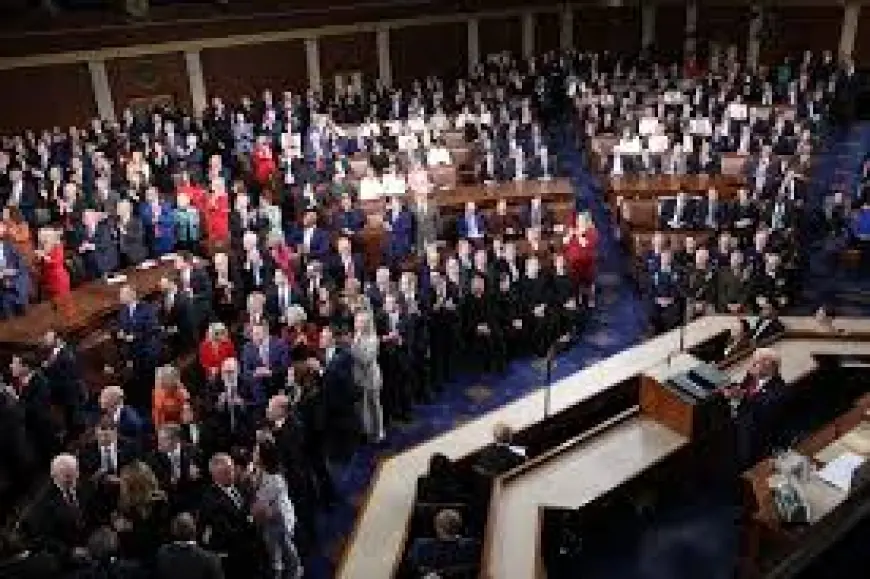
The seating protest during the State of the Union has put Rashida Tlaib and fellow Democrats squarely in a battleground over who looks like they prioritize American citizens — and who does not. That split matters now because Republican strategists see the moment as a potent midterm ad line, while Democrats insist their objections reflect deeper grievances tied to immigration enforcement and recent legal rulings.
Impact on lawmakers: Rashida Tlaib and the progressive flank under heightened scrutiny
Here’s the part that matters: Senators, representatives and their campaigns are being forced to translate a single visual — Democrats seated while Republicans stood — into weeks of messaging. Chuck Schumer, the Senate majority leader, defended the decision to remain seated when the president invited lawmakers to stand if they believed protecting US citizens over undocumented immigrants was their first duty. That defense lands differently for members like Rashida Tlaib and Ilhan Omar, who actively protested during the address.
What’s easy to miss is how intertwined the political theater is with concrete administrative moves and recent court rulings; the optics are not happening in a vacuum.
Event details and the seating moment
The State of the Union address ran for nearly two hours and was described as the country’s longest-ever. The president touched on tariffs, border security, military recruitment and energy production, and asserted the economy was booming, inflation was under control and a golden age was at hand. Congressional Democrats lined up on Tuesday night to call the president a liar, while Republicans said the nation had never been greater. As the president challenged lawmakers to stand if they put protection of American citizens ahead of illegal immigrants, Republicans stood and many Democrats remained seated; JD Vance called the refusal to stand a shame and a sad commentary on the Democratic party.
Ilhan Omar and Rashida Tlaib verbally protested during the address; Omar said the president had killed two of her constituents and called him a liar who should be ashamed. The president responded on Truth Social with vitriolic posts insulting the two congresswomen and threatening to send them back from where they came — a line that drew attention because both women are US citizens.
Legal and administrative ripples tied to immigration and state actions
Several non-theatrical developments thread through the same debate. A federal judge, Brian E Murphy in Massachusetts, ruled that the administration’s policy of deporting immigrants to third countries with which they have no ties is unlawful and must be set aside; he agreed to suspend his decision for 15 days to give the government time to appeal. Separately, JD Vance announced that the administration would temporarily halt more than a quarter of a billion dollars in Medicaid reimbursements to the state of Minnesota, framed as an escalation of a newly announced "war on fraud. " A guest of Ilhan Omar, Aliya Rahman — a US citizen and Minneapolis resident who in January was removed from her car and dragged by immigration agents as part of increased enforcement efforts, with officers shouting at her to move — was arrested by Capitol police during the address.
On a related personnel front, Casey Means, the president’s nominee for surgeon general, appeared before the Senate committee on health, labor and pensions after an initial confirmation hearing was postponed in October when she went into labor hours before she was set to testify. A top Senate Democrat alleged on Tuesday that FBI director Kash Patel’s personal travel and decision-making have undermined high-profile investigations, citing a whistleblower report.
How Republican strategists are framing the moment and possible campaign effects
Republican operatives celebrated the seating split as a political gift. Ryan James Girdusky of a pro-GOP PAC wrote on X that a billion-dollar ad had effectively written itself because Democrats did not stand. Tim Murtaugh, a former senior advisor who now runs a communications firm, described the moment as huge, saying it forced Democrats to appear as radicals who would defend undocumented immigrants over law-abiding American citizens and argued that the optics will be useful for GOP messaging in the run-up to the midterms.
Culture notes, timing and small but salient threads
Other items connected to the political atmosphere cropped up in coverage: a person close to Mick Jagger cast doubt on a claim by a producer about the singer’s involvement over the use of a Rolling Stones song in a film. The main event referenced took place on February 24, 2026, with follow-up coverage published on Wednesday, February 25. The January incident involving Aliya Rahman was highlighted as part of the enforcement backdrop to the seating protest.
- Immediate implications: the seating tableau is being repackaged into campaign messaging for both parties.
- Groups affected: progressive lawmakers who protested, constituents tied to immigration enforcement, and state governments facing funding actions.
- Signals to watch that would confirm a shift: sustained advertising buy referencing the moment, successful appeals of the judge’s ruling within the 15-day window, or changes in Medicaid reimbursement actions to Minnesota.
- Unclear in the provided context: the long-term electoral impact of the moment and any direct causal link between the arrest in the gallery and larger enforcement policy changes.
The real test will be whether parties convert the raw optics and legal moves into durable messaging that shifts voter priorities over the coming months.