























Blueberry Recall Upgraded to Highest Risk Level After Listeria Concern

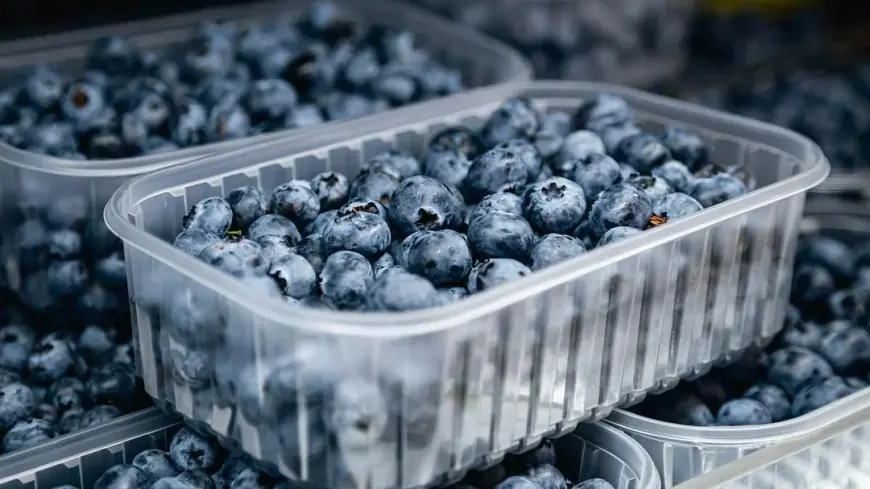
A major Blueberry Recall involving nearly 60,000 pounds of frozen blueberries is drawing heightened attention after U.S. regulators elevated the action to the most serious health-risk category. The recall centers on 55,689 pounds of individually quick frozen (IQF) blueberries tied to potential Listeria monocytogenes contamination, with distribution spanning four U.S. states and Canada.
The recall was initiated February 12, 2026 (ET) and later classified as Class I on February 24, 2026 (ET)—a designation used when exposure to a product carries a reasonable probability of severe health consequences. While the blueberries were handled in large bulk formats rather than typical consumer retail bags, the upgraded classification has placed foodservice operators and supply-chain partners on alert.
Blueberry Recall: What Product Is Affected
This Blueberry Recall involves IQF blueberries packaged for industrial and foodservice use, not typical grocery-store retail sales. The product was distributed to customers in Michigan, Oregon, Washington, and Wisconsin, with shipments also reaching Canada.
Key identifiers to look for
| Packaging Format | Lot Codes | Expiration Dates |
|---|---|---|
| 30-pound corrugated cases (bag inside) | 2055 B2, 2065 B1, 2065 B3 | July 23–24, 2027 |
| 1,400-pound totes (industrial) | 3305 A1, 3305 B1 | November 25, 2027 |
If you handle frozen fruit in large formats—restaurants, smoothie shops, bakeries, commissaries, schools, hospitals, or food manufacturers—this is the segment most likely to encounter the affected product.
Why the Blueberry Recall Matters: Understanding Class I
A Class I classification signals the highest level of concern in a Blueberry Recall. Listeria is especially dangerous because it can cause severe illness in certain groups and may remain a risk even when a product is frozen. Unlike many bacteria, Listeria can survive in cold environments and may spread through food-processing areas if controls fail.
This doesn’t mean every unit is contaminated, but it does mean the hazard is serious enough that strict removal from use is expected wherever the product entered the supply chain.
Who Is Most at Risk and What Symptoms Look Like
Listeria illness can present differently depending on health status. Healthy people may experience milder symptoms, while vulnerable groups can face invasive infection.
Higher-risk groups include:
-
Pregnant people (risk to pregnancy and newborns)
-
Adults age 65+
-
People with weakened immune systems
Common symptoms may include:
-
Fever, chills, muscle aches, fatigue
-
Nausea, vomiting, diarrhea
-
In more serious cases: headache, stiff neck, confusion, loss of balance
One challenging aspect of listeriosis is timing. Symptoms can begin within days but may also appear weeks after exposure, making it harder to connect illness to a specific food.
What To Do If You Have the Recalled Blueberries
Because this Blueberry Recall is tied to bulk distribution, most individuals won’t find these lot codes in a home freezer. Still, action is straightforward for anyone who handles commercial frozen fruit:
-
Stop using the product immediately if the lot code matches.
-
Segregate and label affected inventory to prevent accidental use.
-
Dispose of or return product through normal recall channels with your supplier or distributor.
-
Clean and sanitize surfaces, scoops, bins, and containers that touched the blueberries.
-
Review downstream use: smoothies, baked goods, toppings, sauces, and mixes that may have incorporated the fruit.
If anyone consuming products made with the recalled blueberries develops symptoms consistent with listeriosis—especially in a higher-risk group—contact a healthcare provider and mention potential exposure to recalled frozen blueberries.
What Comes Next for the Blueberry Recall
In the near term, the most important work happens behind the scenes: inventory reconciliation, confirmation of where product went, and verification that affected lots are no longer in active use. Foodservice operators may also tighten receiving checks for frozen fruit, emphasizing lot-code verification and supplier documentation.
Longer term, this Blueberry Recall is likely to sharpen focus on preventative controls in frozen fruit production—environmental testing, sanitation validation, and traceability that can quickly isolate lots before wide distribution. For buyers and operators, it also reinforces a practical takeaway: bulk ingredients can carry the same risk profile as retail foods, even when consumers never see the original packaging.
As the recall response continues, the central message remains simple: identify the lot codes, remove affected product from circulation, and prioritize caution—especially where vulnerable populations may be served.